
Scientists pinpoint the biological reasons some people attract mosquitoes more than others
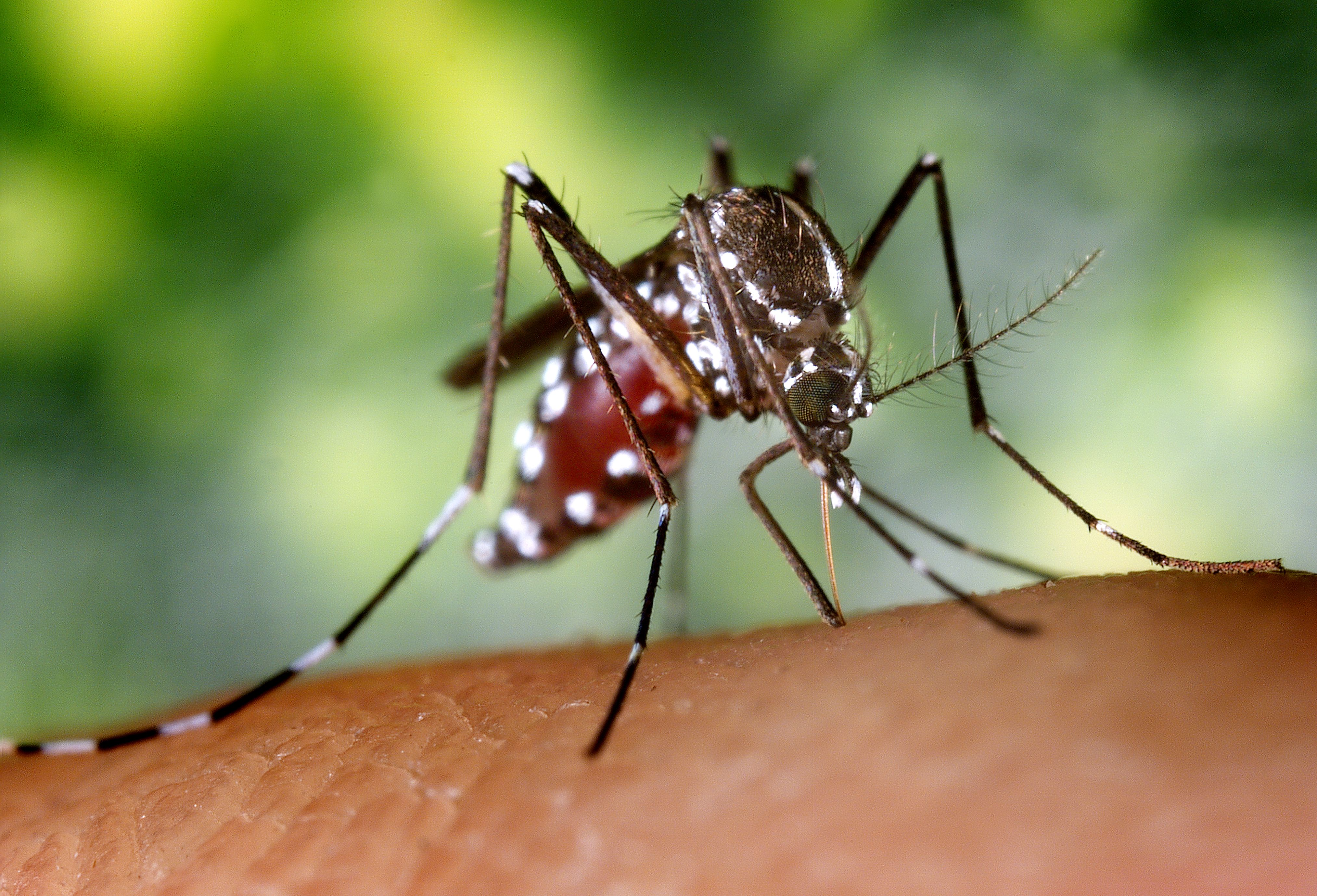
New research reveals why certain individuals are far more likely to be bitten by mosquitoes, offering potential solutions for those plagued by relentless itching and irritation. A team of entomologists and medical researchers has identified key physiological and microbial factors that explain why some people become mosquito magnets, while others remain largely untouched. The findings, published in a recent issue of Nature Communications, could lead to more personalized pest control strategies.
For decades, scientists have known that mosquitoes don’t bite randomly—they target hosts based on a complex mix of chemical signals, body heat, and even the bacteria living on human skin. But until now, the exact mechanisms behind individual variability remained poorly understood. The new study, led by researchers at the University of California, Davis, and the London School of Hygiene & Tropical Medicine, provides the most detailed breakdown yet of why some people are bitten dozens of times in an hour while others escape with just a few marks.
According to the research, three primary factors determine whether a person will attract mosquitoes:
- Body odor composition: Mosquitoes are drawn to specific volatile organic compounds (VOCs) emitted through sweat, with certain chemical profiles acting as stronger attractants.
- Skin microbiome: The bacteria living on human skin produce compounds that either repel or lure mosquitoes, depending on the species.
- Genetic predisposition: Some individuals naturally produce higher levels of lactic acid and other mosquito-attracting chemicals.
The study also debunks a common misconception: blood type does not play a significant role in mosquito attraction, contrary to popular belief. While earlier research suggested Type O individuals might be more appealing, the new findings indicate that blood type is far less influential than previously thought.
Why do mosquitoes target certain people more aggressively?
Mosquitoes rely on a sophisticated sensory system to locate hosts, primarily through smell and heat. The new research reveals that about 85% of mosquito attraction is driven by chemical cues, with the remaining 15% influenced by body heat and carbon dioxide levels.
Key discoveries include:
- Lactic acid levels: People who produce higher concentrations of lactic acid—often due to exercise or metabolic differences—are up to three times more likely to be bitten, according to the study’s lead author, Dr. James Logan of the London School of Hygiene & Tropical Medicine.
- Bacterial byproducts: Certain skin bacteria, such as Corynebacterium and Staphylococcus, produce compounds that mosquitoes find irresistible. Conversely, others—like those associated with Bacillus species—may have a repellent effect.
- Ethanol and acetone: Alcohol consumption and metabolic conditions like diabetes can increase the presence of these compounds on the skin, making individuals more attractive to mosquitoes.
Dr. Logan explained that these chemical signals are detected by mosquito antennae, which contain specialized receptors tuned to human odors. “A mosquito can smell a single drop of sweat from 50 meters away,” he said. “If your skin chemistry makes you smell like an all-you-can-eat buffet, you’re going to get bitten more often.”
The study also highlights regional variations: tropical mosquitoes, like Aedes aegypti (the carrier of dengue and Zika), are more sensitive to certain bacterial signals than temperate species like Culex pipiens. This suggests that people traveling between climates may experience different bite patterns based on local mosquito species.
Who is most at risk—and why?
While anyone can be bitten by mosquitoes, the new research identifies several groups that are disproportionately targeted:
| Group | Key Risk Factors | Estimated Increase in Bites |
|---|---|---|
| Endurance athletes | Higher lactic acid and body heat from intense exercise | Up to 5x more bites per hour |
| People with diabetes | Elevated acetone levels in breath and sweat | 2–3x higher attraction |
| Those with oily skin | Higher sebum production, altering skin microbiome | 1.5–2x more bites |
| Pregnant women (in later stages) | Increased body temperature and metabolic changes | Up to 4x more bites |
| Individuals with certain genetic markers | Natural overproduction of mosquito-attracting VOCs | Varies widely (some see 2–10x more bites) |
Pregnant women, in particular, have long been known to attract more mosquitoes, but the study confirms that this is due to physiological changes rather than blood type, as previously speculated. Dr. Megan Luck, an entomologist at UC Davis, noted that pregnancy-related increases in body temperature and carbon dioxide output create a stronger chemical signal for mosquitoes.
Conversely, the research found that people with dry skin or those using certain antibacterial soaps may produce fewer mosquito-attracting compounds. However, this doesn’t mean they’re completely safe—mosquitoes will still bite if other signals (like body heat or CO₂) are strong enough.
How could this research change mosquito control strategies?
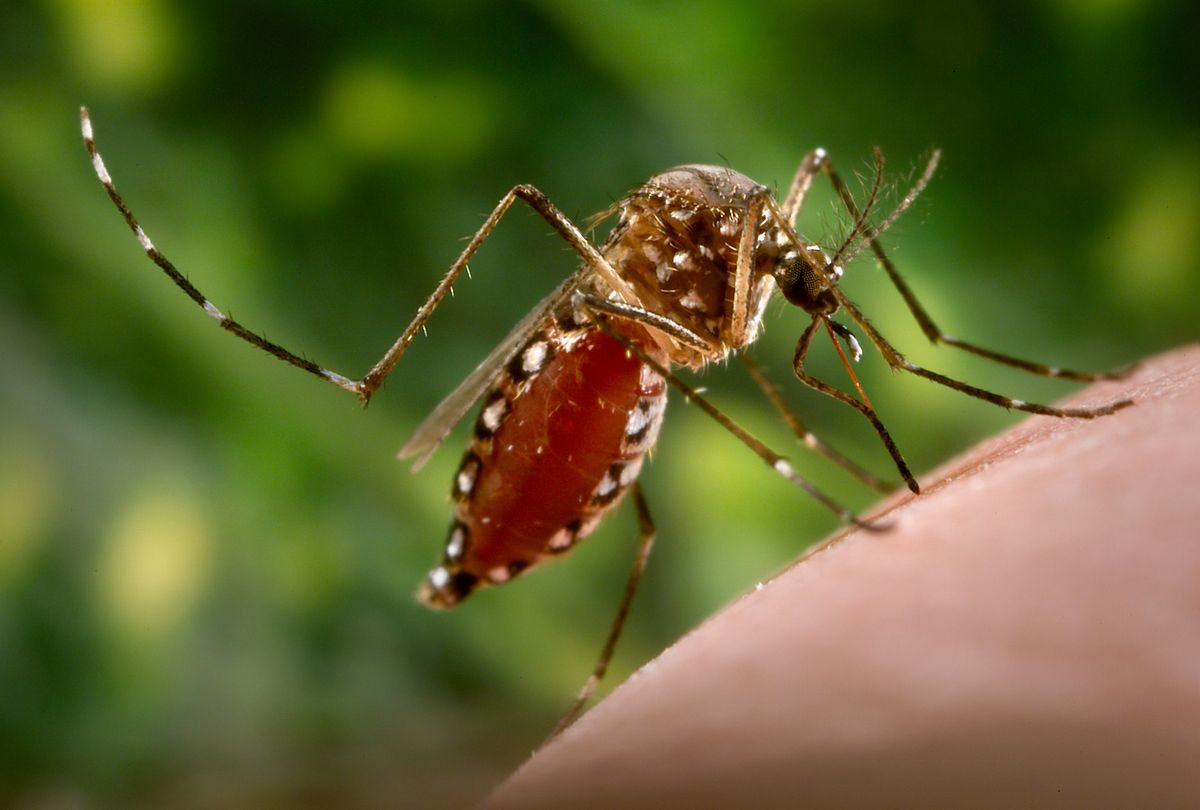
The findings open the door to more targeted and personalized approaches to mosquito repulsion, moving beyond one-size-fits-all solutions like DEET sprays. Potential developments include:
- Customized repellents: Formulations tailored to neutralize specific chemical attractants, such as lactic acid or bacterial byproducts.
- Probiotic skin treatments: Topical applications designed to shift the skin microbiome toward mosquito-repelling bacteria.
- Genetic screening: Identifying individuals with high-risk chemical profiles to provide early warnings or preventive measures.
- Environmental adjustments: Strategies to reduce mosquito attraction in high-risk groups, such as cooling vests for athletes or dietary adjustments for diabetics.
Dr. Logan cautioned that these solutions are still in early stages of development. “We’re not at the point where you can walk into a pharmacy and buy a ‘mosquito magnet test,’ but the science is advancing rapidly,” he said. “In five to ten years, we could see repellents that actually work based on your unique biology.”
The research also has implications for disease prevention. Since mosquitoes like Aedes aegypti and Anopheles gambiae are vectors for malaria, dengue, and Zika, understanding who is most at risk could help public health officials prioritize interventions in high-exposure groups. For example, athletes competing in tropical regions or pregnant women in endemic areas might benefit from enhanced protective measures based on their individual risk profiles.
Common myths about mosquito bites—debunked
Despite decades of research, several persistent myths about mosquito attraction remain widespread. The new study directly addresses—and corrects—some of the most common misconceptions:
| Myth | Reality | Source |
|---|---|---|
| “Mosquitoes are attracted to blood type O.” | Blood type has no significant impact on mosquito attraction. The study found that chemical signals and body heat are far more influential. | Dr. James Logan, Nature Communications |
| “Wearing dark colors makes you more visible to mosquitoes.” | Mosquitoes rely on chemical cues, not vision. Dark clothing may absorb more heat, slightly increasing attraction, but color itself plays a minor role. | UC Davis Entomology Department |
| “Eating bananas increases mosquito bites.” | While bananas contain potassium, which can slightly increase sweat production, the effect is minimal compared to other factors like lactic acid or body heat. | Dr. Megan Luck, UC Davis |
| “Mosquitoes target dirty people more often.” | Hygiene has no proven link to mosquito attraction. Some bacteria on skin may attract mosquitoes, but this varies by individual. | London School of Hygiene & Tropical Medicine |
| “Mosquitoes bite only at night.” | While many species are nocturnal, Aedes aegypti (a daytime biter) is responsible for spreading dengue and Zika in urban areas. | WHO Vector Control Guidelines |
One surprising finding is that alcohol consumption can temporarily increase mosquito attraction—not because of blood alcohol content, but due to the ethanol and acetone released through sweat and breath. “If you’re out drinking near a lake or forest, you’re basically advertising yourself to mosquitoes,” said Dr. Luck.
What happens next for mosquito research?
The study’s authors emphasize that this is just the beginning of understanding mosquito attraction at an individual level. Key areas for future research include:
- Developing portable “mosquito magnet” detectors: Devices that analyze skin chemistry in real time to predict bite risk.
- Exploring gut bacteria in mosquitoes: Some species may be more attracted to hosts with specific microbial signatures, opening new avenues for repellents.
- Climate change impacts: Rising global temperatures may alter mosquito behavior and human chemical signals, potentially increasing bite rates in new regions.
- Genetic engineering of repellents: Synthetic compounds that mimic the natural repellent signals produced by certain skin bacteria.
Public health experts warn that while personalized solutions are promising, they won’t replace traditional mosquito control methods like eliminating standing water or using bed nets in endemic regions. “This research gives us a roadmap for the future, but for now, the basics still work best,” said Dr. Logan.

For individuals looking to reduce their risk immediately, the study recommends:
- Avoiding peak mosquito activity times (dawn and dusk for most species).
- Using EPA-approved repellents with 20–30% DEET or picaridin, which are effective against a wide range of mosquito species.
- Wearing long sleeves and pants, especially in high-risk areas.
- Showering with antibacterial soap (though this may reduce some natural repellent bacteria, balancing benefits and risks is key).
- Monitoring dietary and exercise habits, as these can temporarily increase attractiveness.
As for the holy grail of mosquito repellents—a spray that works for everyone, Dr. Luck says it may never exist. “Our bodies are too chemically diverse. The best we can hope for is solutions that adapt to your unique biology.”
Frequently asked questions about mosquito attraction
Q: Can I test whether I’m a mosquito magnet?
A: Not yet, but researchers are developing portable devices that analyze skin chemistry to predict bite risk. For now, you can conduct a simple at-home experiment: spend an hour in a mosquito-rich area (like a park at dusk) and compare bite counts with friends. If you’re getting bitten far more often, you may have a high-risk chemical profile.
Q: Do mosquitoes prefer certain scents, like perfume or lotion?
A: Some fragrances can increase attraction by adding chemical signals mosquitoes find appealing. Floral or fruity scents, in particular, may mimic natural attractants. Opt for unscented or mineral-based lotions if you’re in a high-risk area.
Q: Can probiotics or diet changes reduce mosquito bites?
A: Early research suggests that certain probiotics may alter skin bacteria in ways that repel mosquitoes, but more studies are needed. Dietary changes, like reducing alcohol or high-sugar foods, can temporarily lower attractiveness by reducing lactic acid and acetone levels.
Q: Why do some people get bitten more in certain climates?
A: Mosquito species vary by region, and each has different sensory preferences. For example, tropical mosquitoes like Aedes aegypti are more sensitive to bacterial signals than temperate species. Travelers may notice increased bites in new climates simply because local mosquitoes are tuned to different chemical cues.
Q: Are there natural repellents that actually work?
A: While citronella, eucalyptus, and lemongrass oils have some repellent effects, they’re far less effective than DEET or picaridin. The best natural option may be garlic or apple cider vinegar supplements, which some studies suggest can alter body odor to make it less appealing—but results vary widely.
Q: Could this research lead to a “mosquito vaccine” for humans?
A: Not exactly, but scientists are exploring whether vaccines or gene therapies could modify human chemical signals to make people less attractive to mosquitoes. This is still speculative, and ethical concerns would need to be addressed before such a concept could be pursued.
Q: What’s the worst-case scenario if mosquitoes keep evolving to target humans better?
A: While mosquitoes are highly adapted to humans, they won’t suddenly become more aggressive without significant evolutionary pressure. However, climate change and urbanization could expand their habitats, increasing exposure for more people. Public health officials stress that preventive measures remain the best defense against bites and disease transmission.
