Rubin Observatory begins decade-long cosmic survey in Chile
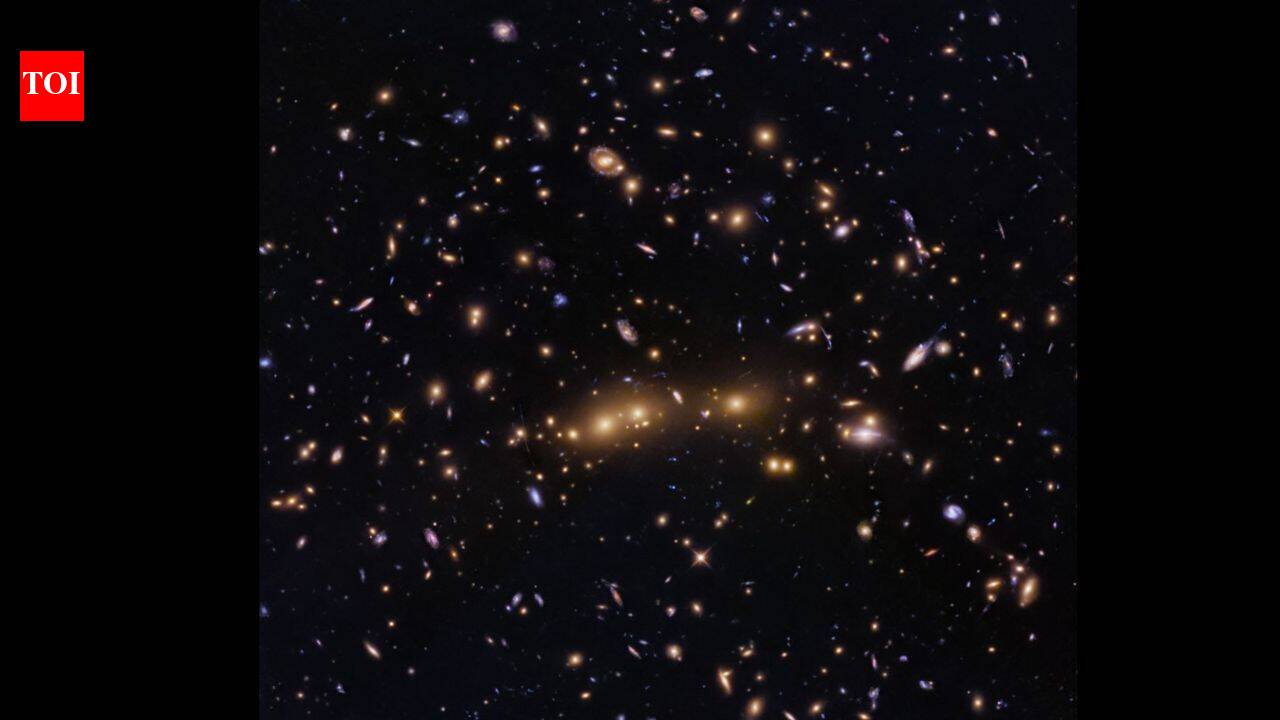
Equipped with the world's largest digital camera, the observatory is beginning a massive cinematic survey of the southern sky to track transient events. The project aims to study the universe by mapping billions of stars and galaxies over the next decade.

Perched atop a mountain in Chile’s Coquimbo region, where dark skies stretch over the Andes, the Vera C. Rubin Observatory has officially entered its operational phase. The observatory, a joint initiative funded by the U.S. National Science Foundation and the U.S. Department of Energy’s Office of Science, launched its signature campaign, the Legacy Survey of Space and Time (LSST), on June 29. This mission represents a departure from traditional astronomy, which historically relied on static snapshots of isolated sky patches. According to Stuartt Corder, mission scientist for AURA in Chile and deputy director of NOIRLab, the project provides a dynamic, cinematic view of the night sky, allowing researchers to track how stars, galaxies, and solar system objects evolve over time.
A Technological Powerhouse
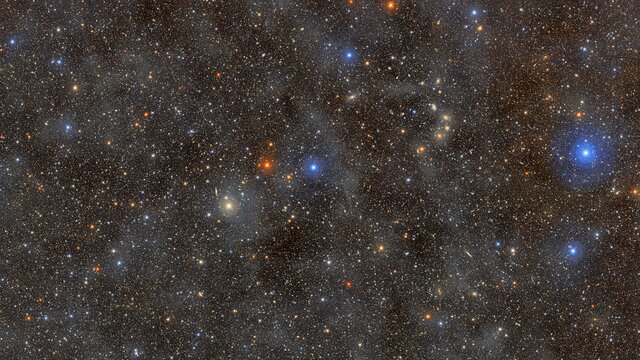
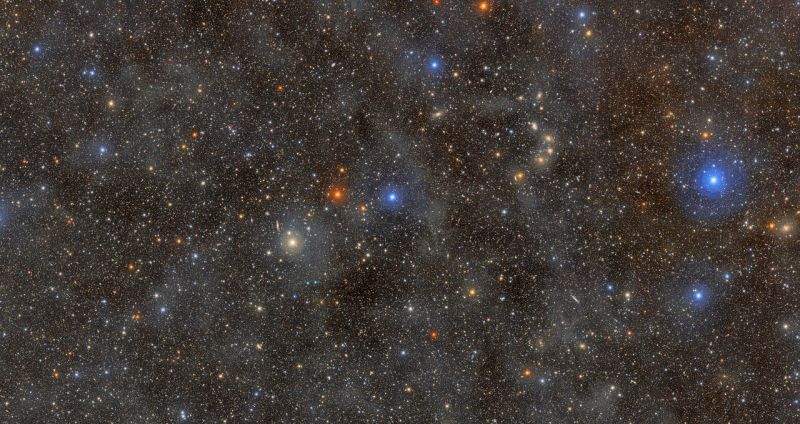
The facility is anchored by the world’s largest digital camera. Featuring a 3,200-megapixel sensor, the device captures images that cover an area on the sky equivalent to 45 full moons. This imaging capability, combined with a specialized telescope design, allows the system to photograph the entire visible southern sky every three to four nights.
Related media

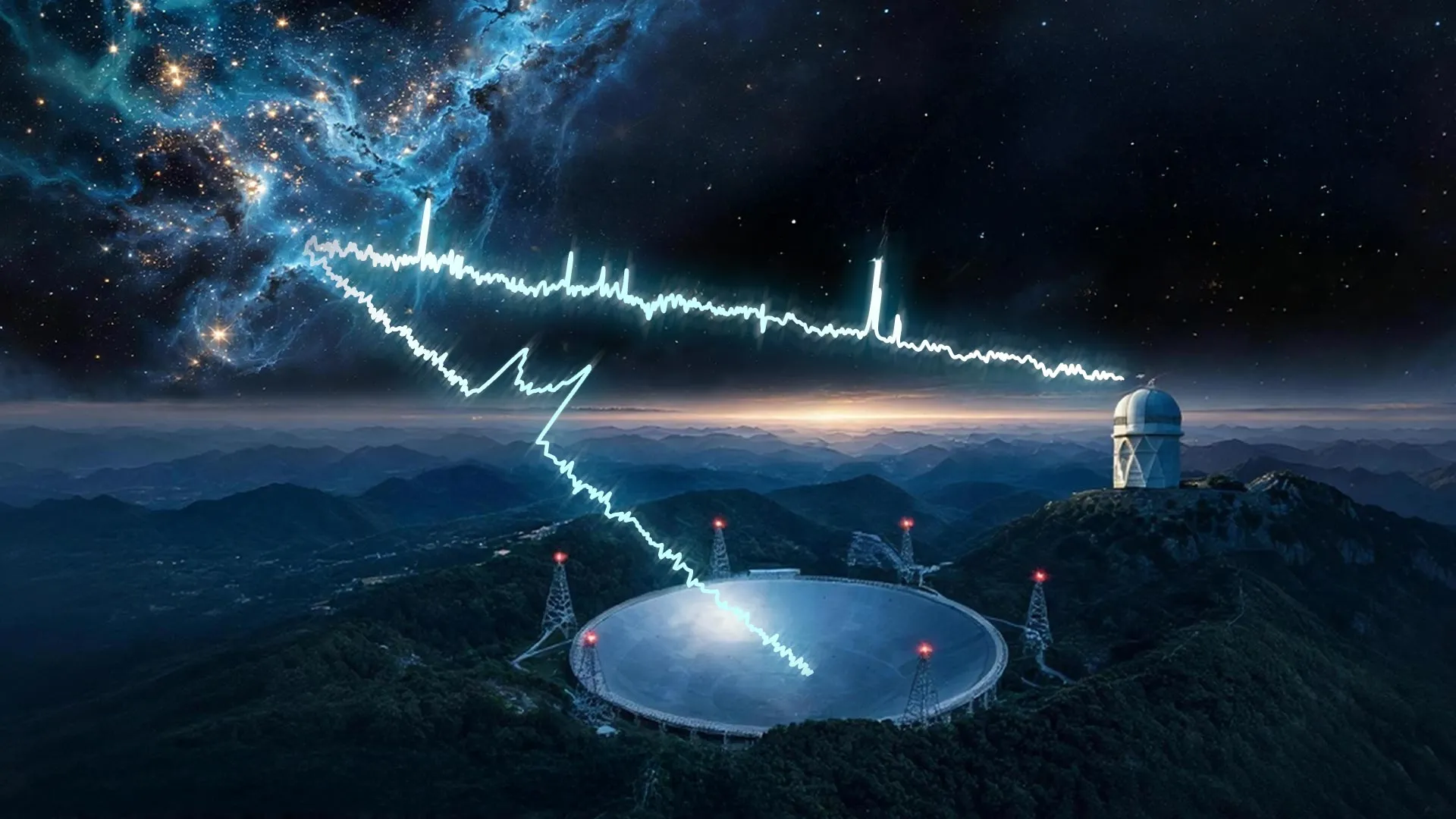
The telescope is currently collecting approximately 10 terabytes of data each night. This data stream feeds into automated systems that produce up to 7 million alerts regarding transient events, such as stellar explosions or the movement of near-Earth objects. These alerts enable researchers globally to coordinate follow-up observations in near real-time.
Scientific Objectives
The decade-long mission is designed to address fundamental questions in modern cosmology, including the nature of dark matter and dark energy. By mapping billions of stars and galaxies, scientists expect to generate a comprehensive census of the solar system and beyond. During early optimization periods prior to the official launch, the observatory identified more than 11,000 previously unseen asteroids, including 33 near-Earth objects and 380 trans-Neptunian objects.
"By seeking to understand the enigmatic phenomena of dark energy and dark matter, we are not just observing the stars; we are striving to grasp the fundamental laws that govern our existence."
Darío Gil, under secretary for science at the U.S. Department of Energy, via statement
The project is named in honor of Vera Rubin, the astronomer who provided early evidence for the existence of dark matter. The operational status follows a long road of development. As Phil Marshall, deputy director of Rubin Operations for SLAC, noted, It’s taken 20 years of hard science, engineering, and more to get to the point where we can call ‘action’ as we start rolling on this blockbuster movie of the universe.
Collaborative Foundations
The project is the result of two decades of planning, engineering, and international cooperation. While managed by NSF NOIRLab and the SLAC National Accelerator Laboratory, the effort includes contributions from over 40 international organizations. The operational start follows an intensive review of system performance, image quality, and survey speed.
What to Watch Next
- Ongoing Data Releases: The observatory plans to release comprehensive datasets as the LSST progresses, providing unprecedented access to the public and the global scientific community.
- System Optimization: Scientists will continue to monitor survey speed and alert accuracy to refine the "discovery machine" as it processes the southern sky.
- Multi-Messenger Integration: Future operations aim to link the telescope’s visual alerts with signals from gravitational wave detectors and cosmic ray observations to better understand high-energy events.
As the survey continues, researchers expect to uncover not only known cosmic behaviors but also entirely new phenomena that have remained hidden until now. The data gathered will also aid in the study of asteroids passing through the solar system, potentially revealing differences in composition compared to our own.
Archypedia is dedicated to independent, evidence-backed reporting. This briefing was synthesized from primary source reporting, corroborated across independent newsrooms, and verified against our Editorial Standards.
Transparency record
Evidence behind this report
This report synthesizes 9 distinct sources. Open the source ledger below to compare the underlying coverage.
- www6.slac.stanford.edu
- yahoo.com
- apnews.com
- detroitnews.com
- srnnews.com
- rubinobservatory.org
- nsf.gov
- usatoday.com
- scientificamerican.com
Prepared under the Archypedia Editorial Policy by the Niko Vale editorial desk profile. AI-assisted tools may support drafting and verification; public accountability remains with Archypedia. Report an error.