Meteorite that crashed through New Jersey house could hold the clues to life
A rare carbonaceous chondrite meteorite that crashed through a New Jersey roof has provided scientists with pristine chemical evidence regarding life's origins.
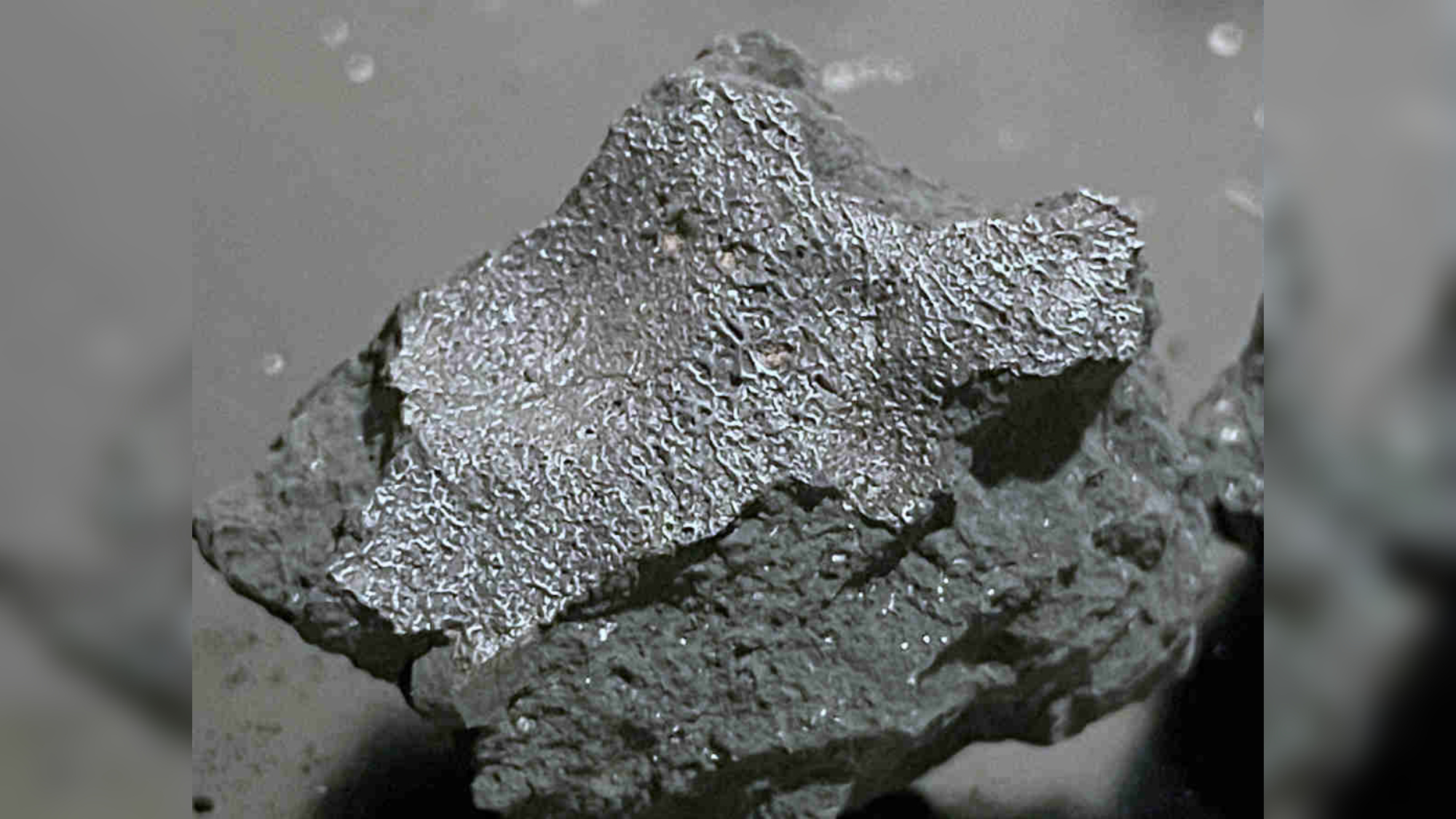
On July 16, 2024, a routine afternoon in New Jersey was punctuated by a sonic boom as a celestial object streaked through the atmosphere at 32,000 miles per hour. The fireball, which passed south of the Statue of Liberty, eventually fragmented, scattering a trail of pebbles from Staten Island into New Jersey. One of these fragments, a rock weighing more than two pounds, breached the roof of a master bedroom in Hillsborough. Two years later, on July 15, 2026, researchers published findings in the journal Science Advances revealing that this meteorite, dubbed “Hillsborough,” contains rare chemical clues that may explain the origins of life on Earth.
The discovery centers on the meteorite's classification as a CM1/2 carbonaceous chondrite. Scientists note that this is a primitive, water-rich class of Space rock, with Hillsborough representing only the second witnessed fall of a CM1/2 specimen on Earth. According to the SETI Institute, the rock’s composition suggests it originated near the surface of a parent asteroid in the inner asteroid belt, where it was subjected to concentrated, salty fluids — a process that researchers say has not been previously documented in this type of celestial body.
Related media
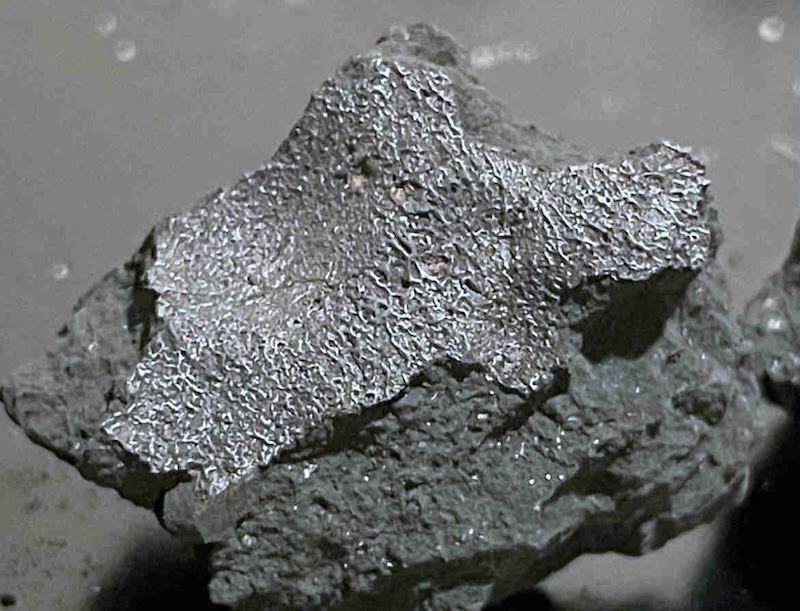
A Preservation Success
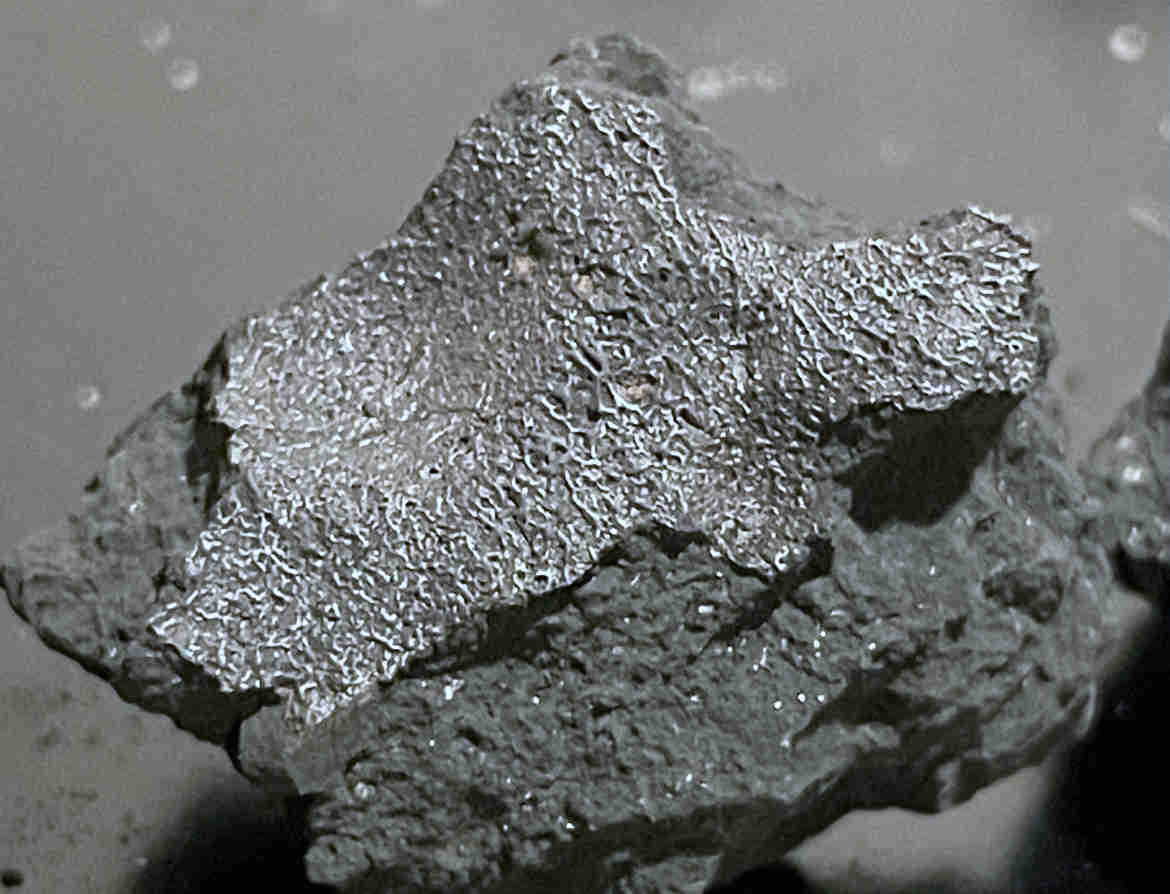
The scientific value of the Hillsborough meteorite is attributed largely to the actions of the homeowner. Upon discovering the hole in his ceiling and smelling a strong, sulfur-like odor, the resident used disposable gloves and aluminum foil to seal the fragments in glass jars. This quick response prevented terrestrial contamination, preserving the rock in a condition experts describe as exceptionally pristine.
"Thanks to the homeowner’s quick reaction, these are the most pristine CM1/2 meteorites we know of."
Peter Jenniskens, meteor astronomer at the SETI Institute and NASA’s Ames Research Center
Chemical Clues to Life
The analysis of these fragments by an international team — including experts from NASA, the Japan Agency for Marine-Earth Science and Technology, and the Technical University Munich, identified a complex inventory of prebiotic organic molecules. These include amino acids and carbon-bearing compounds. Researchers posit that these findings align with theories that such meteorites may have delivered the chemical foundations for life to the early Earth.
The presence of salt-rich, sodium-bearing minerals suggests that briny water moved through the parent asteroid’s surface before evaporating. Experts explain that these salty fluids may have served as catalysts for organic chemistry. As noted by the research team, brines keep phosphate in solution and can facilitate the reactions necessary to form molecules crucial to biological systems.
Tracing the Trajectory
Because the event was captured by numerous doorbell cameras and public security systems across New York, New Jersey, Connecticut, Rhode Island, and Pennsylvania, scientists were able to reconstruct the object's path. Doppler weather radar at Newark Airport provided further data by mapping the falling debris. This combination of visual and radar evidence allowed the team to trace the rock’s origin to the inner asteroid belt, reinforcing the importance of public-sourced footage in planetary science.
What to Watch Next
- Exhibition: Select fragments of the Hillsborough meteorite have been placed under the curation of the American Museum of Natural History for public display.
- Mineral Identification: Researchers are currently conducting follow-up studies to identify the specific salt minerals within the Hillsborough fragments, comparing them to samples returned by the Hayabusa 2 and OSIRIS-REx missions from asteroids Ryugu and Bennu.
- Scientific Inquiry: As the team continues to analyze the organic compounds, they aim to distinguish whether the complex magnesium-organic compounds resulted from brine chemistry or were legacies of ancient impact-shock processes.
For those living in the region, experts like Peter Jenniskens advise that any potential future meteorite falls should be treated with the same care as the Hillsborough case: recording footage of the descent and using non-contaminating materials like foil and clean glass to secure samples. This ongoing research underscores the shifting nature of how we study the origins of our solar system, moving from theoretical models to the examination of "precious asteroid samples" delivered directly to suburban homes.
Archypedia is dedicated to independent, evidence-backed reporting. This briefing was synthesized from primary source reporting, corroborated across independent newsrooms, and verified against our Editorial Standards.
Transparency record
Evidence behind this report
This report synthesizes 11 distinct sources. Open the source ledger below to compare the underlying coverage.
- space.com
- seti.org
- earthsky.org
- yahoo.com
- discovermagazine.com
- timesofindia.indiatimes.com
- nj1015.com
- nypost.com
- usatoday.com
- newjersey.news12.com
- smithsonianmag.com
Prepared under the Archypedia Editorial Policy by the Niko Vale editorial desk profile. AI-assisted tools may support drafting and verification; public accountability remains with Archypedia. Report an error.