Catalonia evaluates weather prospects for August 12 total solar eclipse
Catalonia faces its first total solar eclipse in over a century on August 12, 2026, as forecasters analyze how late-afternoon thermal instability might impact viewing conditions in the zone of totality.
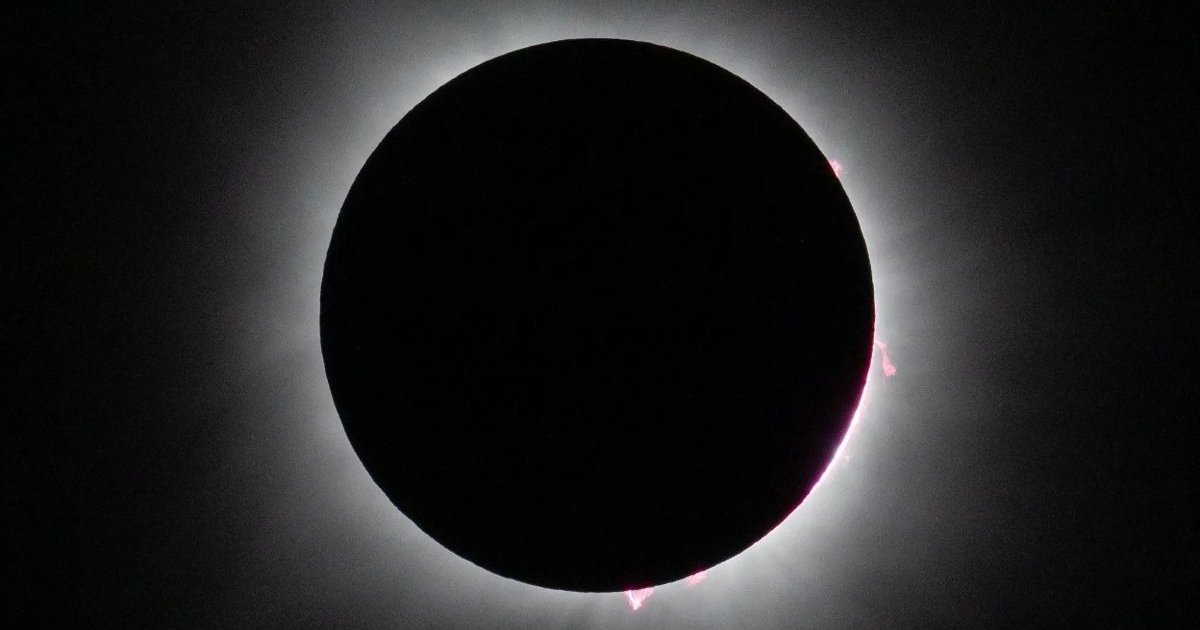
Catalonia stands on the cusp of its first total solar eclipse in more than a century, an event carrying rare historical weight that is directly threatened by volatile late-day weather patterns. Exactly 121 years have passed since a total solar eclipse was last witnessed in the country, and the next such occurrence will not happen until 2180. As millions of residents and eclipse tourists mark their calendars with nerves and anticipation, meteorologists warn that the spectacle — scheduled for Wednesday, August 12, 2026 — faces a formidable atmospheric obstacle: the peak of summer thermal instability.
While global astronomy guides map out the geometry of the narrow path of totality stretching from the North Atlantic across Europe, regional forecasters are confronting the local atmospheric reality. According to analysis published by Ara, the eclipse is timed for the late afternoon, exactly when intense midday heat gives way to convective cloud buildup and inland showers.
Related YouTube video

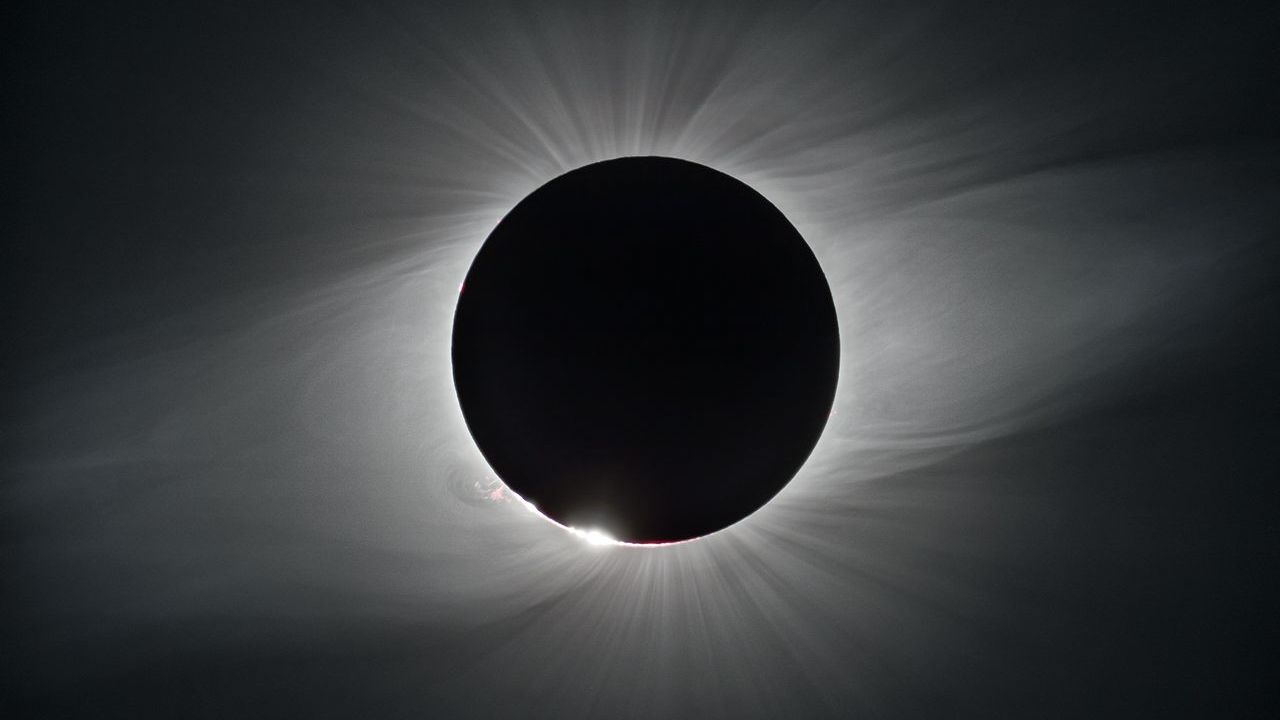
This timing creates a meteorological double-edged sword. August is characterized by intense solar heating during the central hours of the day, followed by an increase in afternoon storms and lingering cloud cover. While the northern and northeastern regions of Catalonia will experience only a partial eclipse alongside more frequent mountain storms in the Pyrenees and pre-Pyrenees, the zone of totality cuts across the southern half of the country, specifically hitting Terres de l'Ebre, Camp de Tarragona, and the Lleida plain. Here, summer storms frequently build over the Ports area and the Iberian System before sending residual cloudiness drifting westward just as the eclipse reaches its peak in the evening hours.
Nevertheless, historical open data provides a measure of cautious optimism for observers across the region. Meteorological data compiled by Servei Meteorològic de Catalunya (Meteocat) demonstrates that August 12 is statistically drier than normal compared to other days of the year. Records dating back to 2009 reveal only a single exception: the year 2010, which proved exceptionally rainy across Catalonia. In all other years, precipitation on this date has remained minimal, suggesting that potential afternoon thunderstorms are more likely to stay confined and residual to mountain peaks rather than blanket the lower-altitude viewing corridors.
Further refining these regional probabilities, weekly climate statistics indicate distinct local advantages for eclipse chasers positioned in key epicenters. Tarragona, designated as a primary observation hub, statistically experiences Wednesdays as its least rainy day of the year. Similarly, Barcelona and Girona record Wednesdays as their second-least rainy day, whereas inland points like Lleida and Tortosa show a higher baseline probability of Wednesday precipitation.
Current short- and medium-term meteorological models indicate that temperatures will continue running higher than normal as the date approaches. Crucially, long-range forecasts suggest that the classic late-August intensification of summer convective instability will hold off until after the celestial alignment concludes. For now, meteorologists emphasize that long-range projections cannot yet guarantee pristine viewing conditions, leaving millions of observers and travelers dependent on daily forecast updates as the August 12 date approaches.
Global Observers Target Regional Microclimates
While international astrophotographers map out optimal angles across the 180-mile-wide path of totality, spanning eastern Greenland, western Iceland, and northern Spain according to Digital Camera World, regional observers in Catalonia must navigate complex local geography. Ara reports that the narrow corridor crossing Terres de l'Ebre, Camp de Tarragona, and the Lleida plain places viewers directly in the line where afternoon convective heat meets residual marine and mountain air.
- Terres de l'Ebre, Camp de Tarragona, and the Lleida plain: Zone of totality where late-day thermal instability and drifting clouds from the Ports area pose the primary atmospheric threat.
- Pyrenees, pre-Pyrenees, and northeastern regions: Areas experiencing mountain storms and partial eclipse phases as solar heating peaks.
- Tarragona, Barcelona, and Girona: Urban hubs holding historical statistical advantages, with Wednesdays registering as either the least or second-least rainy day of the year according to Meteocat data.
To compound the astronomical schedule, the celestial alignment coincides with one of the busiest months of the year for stargazers. Digital Camera World notes that the Perseid meteor shower peaks overnight on August 12-13, offering rates of 80 to 100 meteors per hour under moonless dark skies, alongside a brilliant evening Venus approaching greatest eastern elongation.
Meteorological models from Meteocat indicate that while temperatures will remain higher than average, long-range projections do not point to severe atmospheric disruptions before the alignment concludes.
Archypedia is dedicated to independent, evidence-backed reporting. This briefing was synthesized from primary source reporting, corroborated across independent newsrooms, and verified against our Editorial Standards.
Transparency record
Evidence behind this report
This report synthesizes 5 distinct sources. Open the source ledger below to compare the underlying coverage.
Prepared under the Archypedia Editorial Policy by the Niko Vale editorial desk profile. AI-assisted tools may support drafting and verification; public accountability remains with Archypedia. Report an error.

