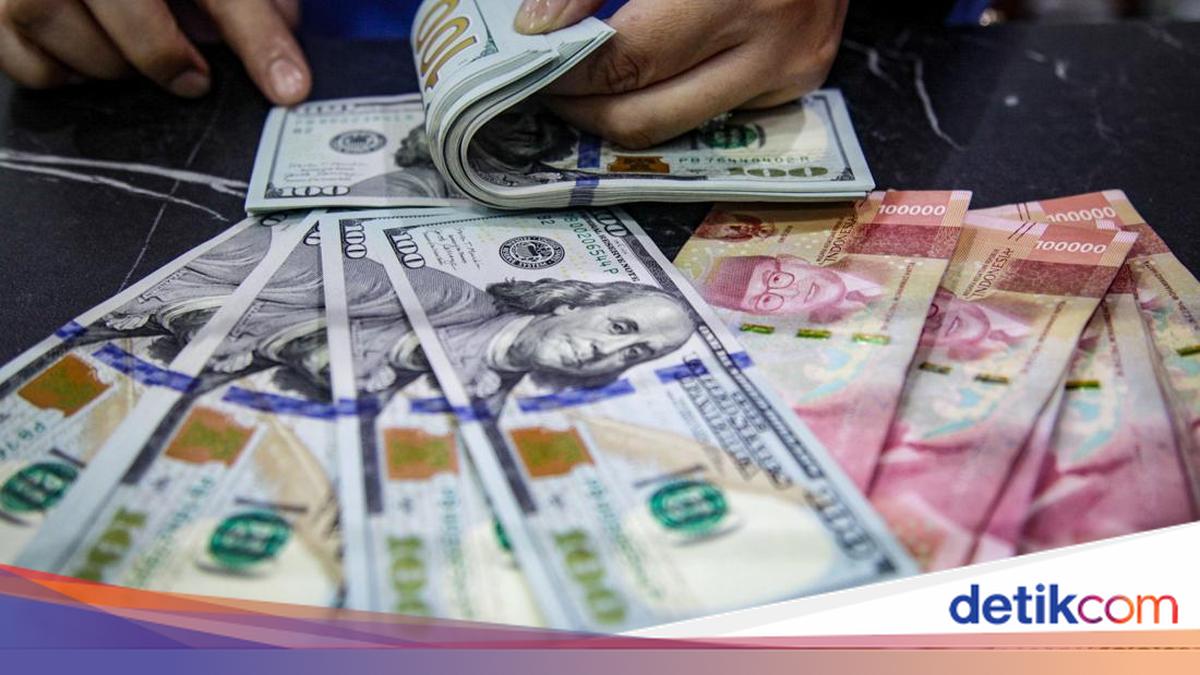
The Indonesian rupiah strengthened to its highest level in nearly a week, reaching 17,700 per U.S. dollar on Monday as hopes for a diplomatic breakthrough between the U.S. and Iran fueled investor confidence in emerging markets.
Trading at 17,760 per dollar at one point in early Monday sessions, the rupiah’s rally followed reports that indirect negotiations between Washington and Tehran had eased tensions over Iran’s nuclear program and regional conflicts. Analysts cited the shift as a key driver of risk-on sentiment in Asia, where currencies tied to commodity exports—including the rupiah—tended to benefit from reduced geopolitical uncertainty.
Why the rupiah’s surge matters for Indonesia’s economy
The rupiah’s appreciation comes as Indonesia’s central bank, Bank Indonesia, has maintained a cautious stance on monetary policy despite inflation cooling to 3.02% year-over-year in June, according to official data. While a weaker currency typically supports exports, the recent strengthening suggests markets now expect the bank to hold rates steady at its next meeting in early August, rather than cutting borrowing costs further.
For Indonesian importers and businesses with dollar-denominated debt, the move offers temporary relief. A stronger rupiah reduces the cost of servicing loans and imports, though economists warn the gains could be short-lived if global risk appetite wanes. “The rally is driven by sentiment, not fundamentals,” said one Jakarta-based trader, noting that Indonesia’s current account deficit remains a structural vulnerability.
How market reactions compare across regional currencies
While the rupiah climbed to 17,700 per dollar, other Asian currencies showed mixed movements. The Philippine peso weakened slightly to 57.50 per dollar, reflecting concerns over domestic political instability, while the Thai baht held near 35.50 per dollar amid steady tourism inflows. In contrast, the Malaysian ringgit strengthened to 4.35 per dollar, aligning with the rupiah’s gains as both currencies benefit from commodity-linked trade.
Local media reports highlighted a divergence in how outlets framed the rupiah’s move. While detikFinance emphasized the 17,700-per-dollar threshold as a psychological barrier, Kompas.com projected further gains to 17,500 per dollar if diplomatic talks between the U.S. and Iran progressed, citing unnamed market participants. Analysts cautioned that the rupiah’s trajectory would hinge on whether the talks led to concrete agreements or merely temporary easing of tensions.
What’s next for the rupiah and Indonesia’s monetary policy
Bank Indonesia Governor Perry Warjiyo has signaled that any policy shifts would depend on inflation trends and external stability. With the U.S. Federal Reserve expected to hold rates steady at its next meeting, Indonesia’s central bank faces limited pressure to act. However, traders anticipate that if the rupiah weakens below 17,800 per dollar—a level last seen in May—Bank Indonesia could intervene to stabilize the currency.
For now, the rupiah’s rally reflects broader optimism in emerging markets, though economists note that sustained strength would require more than diplomatic headlines. “The market is pricing in a best-case scenario,” said a Singapore-based currency strategist. “If talks stall, we could see a quick reversal.”
