Suvendu Adhikari’s Plan to Revive Colonial-Era Bengal Gorkha Force Sparks Political Debate
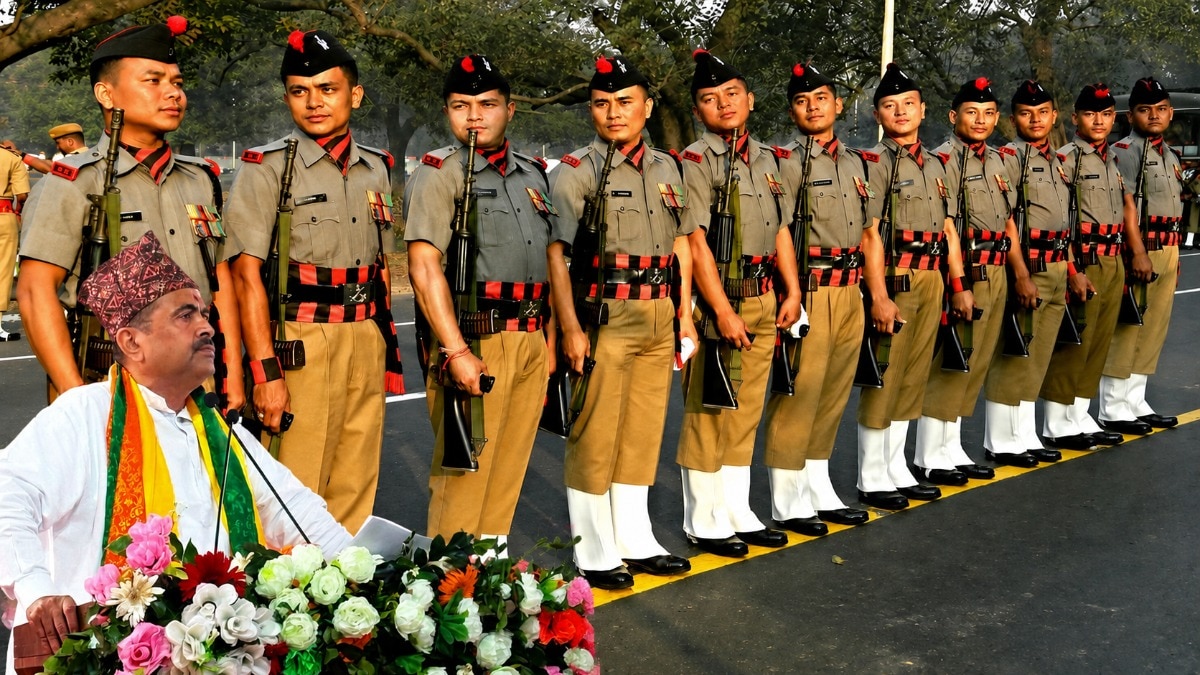
West Bengal Chief Minister Suvendu Adhikari has proposed reviving a paramilitary unit known as the Bengal Gorkha force, a legacy of British colonial rule, reigniting political tensions and raising questions about historical memory and regional governance. The announcement, made amid the Bharatiya Janata Party’s (BJP) recent electoral gains in the state, has drawn sharp criticism from opponents who accuse the ruling party of exploiting historical narratives for political advantage.
The Proposal and Its Historical Roots
The Bengal Gorkha force, established in the 18th century, was a group of Gurkha soldiers recruited by the British to serve in colonial-administered regions of India. Historians describe the unit as a tool of imperial control, often deployed to suppress local uprisings and maintain order in areas with significant tribal and ethnic diversity. The force was disbanded after India’s independence, but its legacy remains a contentious topic in West Bengal’s political discourse.
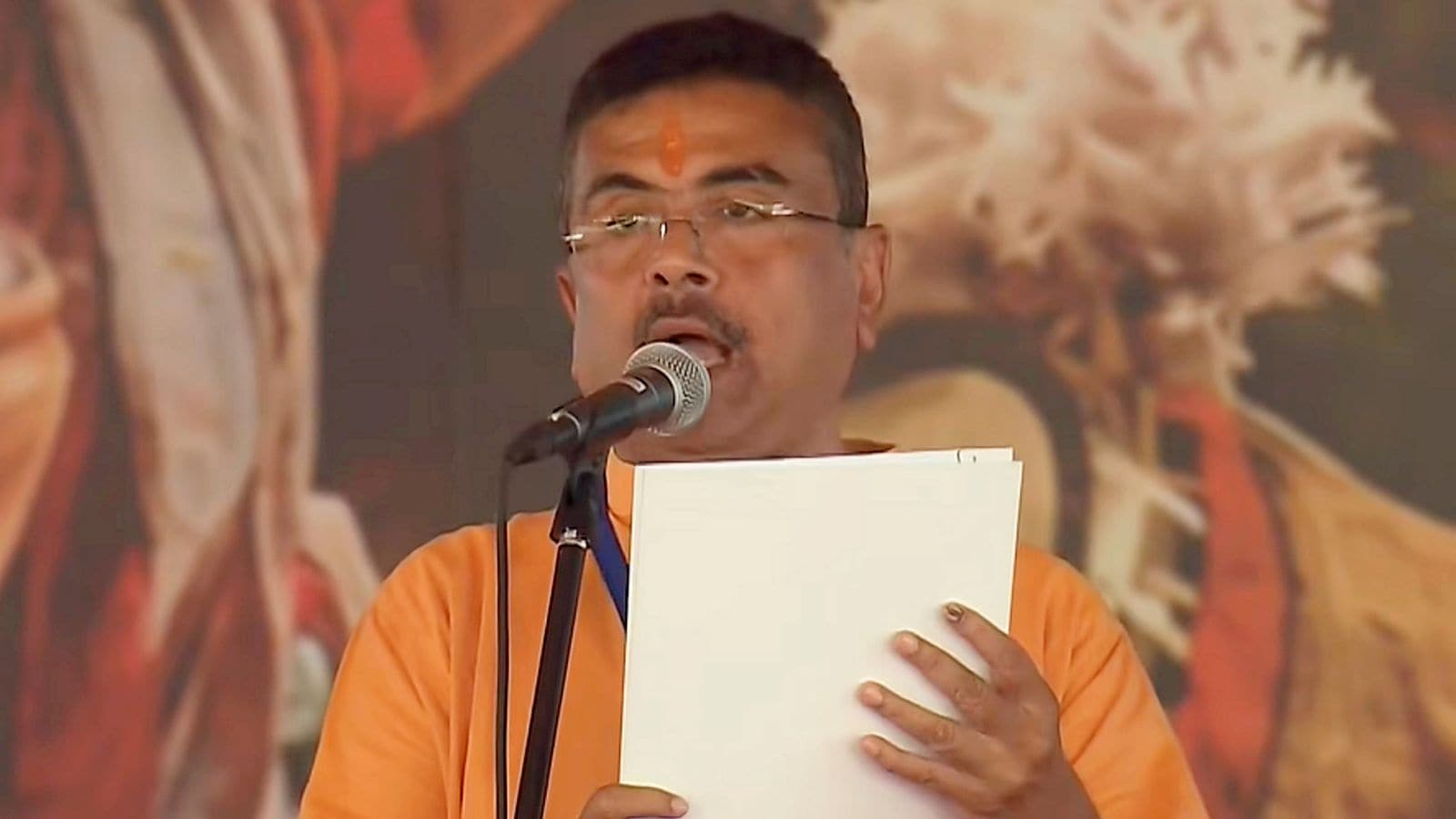
Adhikari, who took office in May 2024, announced the plan during a public address in Siliguri, a city in North Bengal. “The Gorkha community has long been a cornerstone of our state’s security and cultural fabric,” he stated. “Reviving this force is a step toward recognizing their contributions and addressing the region’s unique challenges.”
The proposal has drawn immediate backlash from opposition leaders, who argue that it is a nostalgic attempt to rewrite history. Mamata Banerjee, the former chief minister and leader of the Trinamool Congress, has been vocal in her criticism, accusing the BJP of “distorting historical facts to justify political ambitions.”
Political Context and Regional Dynamics
The move comes at a time of heightened political rivalry in West Bengal, where the BJP has made significant inroads following its victory in the 2024 state elections. Adhikari’s government has positioned itself as a strong advocate for North Bengal, a region historically marginalized in state development plans. The chief minister has pledged to prioritize infrastructure projects, including road networks and digital connectivity, to boost economic growth in the area.
However, the Gorkha force revival has overshadowed these efforts. The Gorkha community, primarily concentrated in the Darjeeling Hills and other parts of North Bengal, has long sought greater autonomy and recognition. The Gorkhaland movement, which seeks a separate state for the region, has been a recurring issue since the 1980s. While the current administration has emphasized dialogue, critics argue that the paramilitary proposal undermines these efforts.
Reactions and Expert Perspectives
Political analysts have offered mixed assessments of the proposal. Dr. Ananya Sen, a historian at Jadavpur University, noted that the Gorkha force’s legacy is “deeply entangled with colonial exploitation.” She added, “While the idea of honoring historical contributions is not inherently problematic, the timing and framing of this proposal raise concerns about its true intentions.”
Opposition leaders have also highlighted the potential risks. “This is not about security; it’s about consolidating power,” said Rupak Adhikari, a spokesperson for the Trinamool Congress. “The Gorkha community deserves genuine development, not a return to the past.”
The Gorkha Janmarg Party, a regional political group advocating for the rights of the Gorkha community, has called for transparency. “We welcome any initiative that acknowledges our history, but we urge the government to engage with local leaders and address pressing issues like education and healthcare,” said party leader Bhim Gurung.
Historical and Legal Implications
The legal basis for reviving the Gorkha force remains unclear. India’s constitution does not explicitly address the re-establishment of colonial-era military units, and experts suggest that such a move would require significant legislative changes. “The Indian Armed Forces are regulated by specific statutes, and creating a new paramilitary force would involve navigating complex legal frameworks,” said legal scholar Rajesh Mehta.
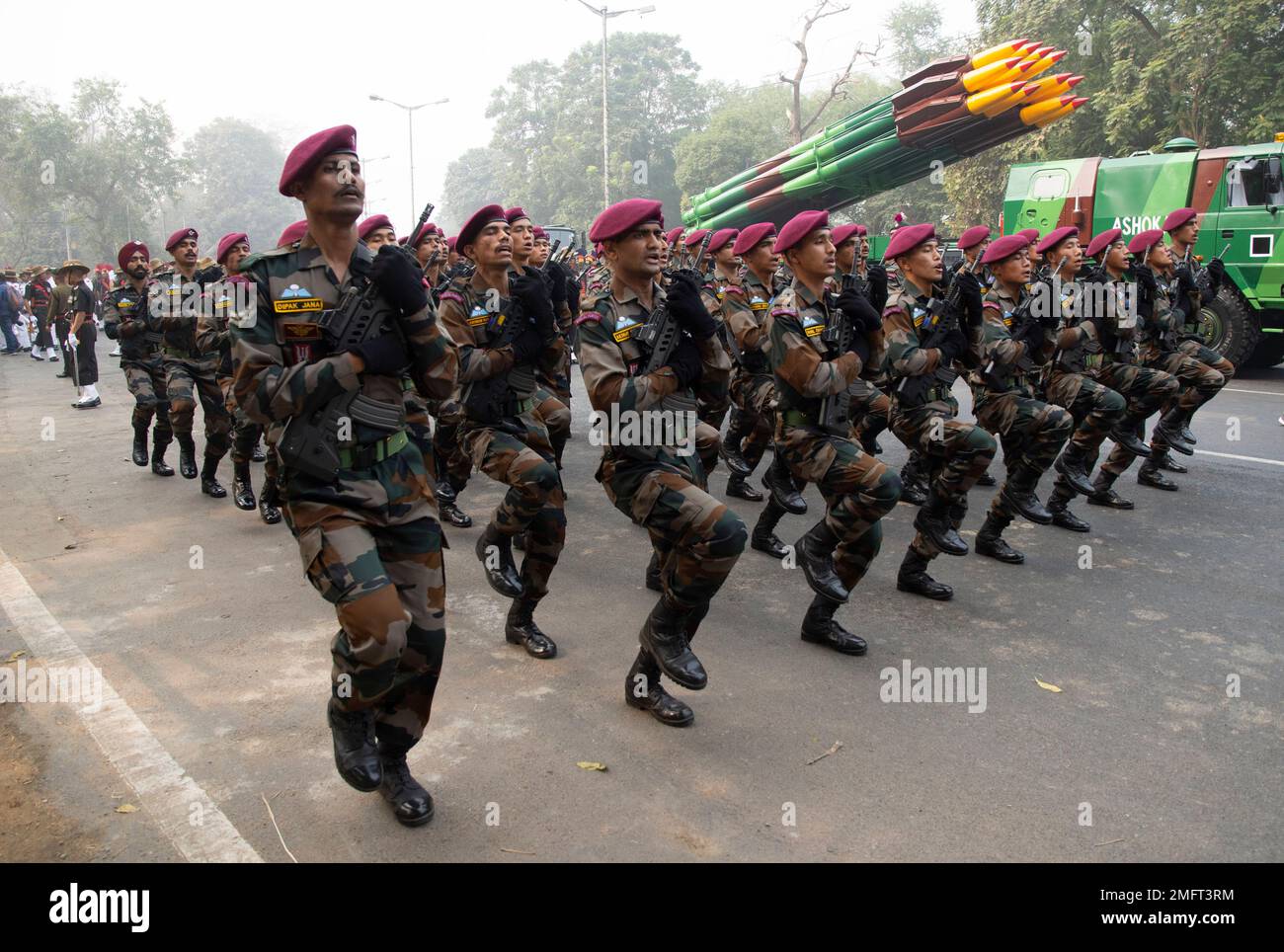
Historically, the Gorkha community has been integral to the Indian military. Over 100,000 Gorkhas serve in the Indian Army, and their recruitment is governed by the Gorkha Regulations of 1815. However, the proposed force would differ from these arrangements, as it would likely operate under state authority rather than national command.
Public Sentiment and Social Impact
Public opinion on the proposal is divided. In Darjeeling, where the Gorkha community constitutes a majority, some residents welcome the idea as a symbol of recognition. “Our people have always served the nation, but we have been overlooked for decades,” said local resident Priya Thapa. “This could be a step toward greater visibility.”
Others, however, fear the move could exacerbate existing tensions. “The Gorkha community has a history of being caught between different political agendas,” said activist Arjun Rai. “We need policies that focus on development, not nostalgia.”
Comparative Context and Broader Significance
The proposal echoes similar debates in other parts of India, where historical legacies are often invoked to justify contemporary policies. For example, the recent discussions around the re-establishment of the Maratha Army in Maharashtra have drawn parallels with the current situation in West Bengal. In both cases, the intersection of history, identity, and governance has sparked intense debate.
Experts suggest that the Gorkha force revival could have broader implications for regional politics. “This is not just about a military unit; it’s about how
