This Hidden Winter Energy Drain Could Cost South Africans Over R1,100 Monthly, Experts Warn
South African households are facing an unexpected financial strain as a commonly overlooked household appliance contributes to soaring winter energy bills, with some families reporting monthly costs exceeding R1,100, according to energy analysts. The issue has sparked debates about energy efficiency, consumer awareness, and the long-term sustainability of current heating practices.
The Culprit: A Common Appliance with Surprising Costs
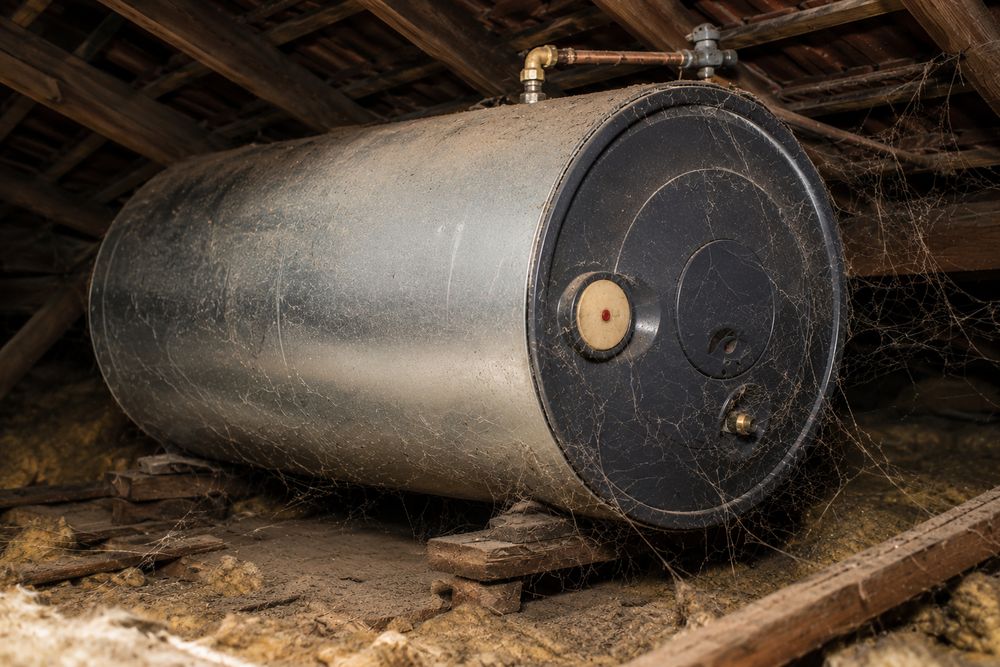
The primary focus of the discussion is a standard electric geyser, a water heating system widely used across South Africa. While essential for daily activities like bathing and cooking, its energy consumption during colder months has led to significant financial burdens for many households. According to a 2023 report by the South African Energy Association (SAEA), geyser-related energy use accounts for nearly 30% of residential electricity consumption during winter, with some users experiencing a 40% increase in bills compared to summer months.
“The issue isn’t just the appliance itself, but how it’s used,” explains Dr. Thandiwe Mbeki, an energy economist at the University of Cape Town. “Many households leave their geysers running continuously, which is both inefficient and costly. A single geyser can consume up to 2,500 kilowatt-hours (kWh) per month in winter, translating to over R1,100 in electricity costs at current tariffs.”
Experts note that the problem is exacerbated by South Africa’s fluctuating energy prices. The National Energy Regulator of South Africa (NERSA) reported a 12% increase in electricity tariffs in 2023, further pressuring households already struggling with inflation and rising living costs.
Why Winter Costs Spike: A Perfect Storm of Factors
The spike in winter energy costs stems from a combination of environmental, economic, and behavioral factors. During colder months, the demand for heating rises, leading to higher energy consumption. Additionally, South Africa’s reliance on coal-fired power plants, which account for 80% of the country’s electricity generation, results in higher production costs during periods of increased demand.

Another key factor is the inefficiency of older geyser models. Many South African households still use outdated appliances that lack modern energy-saving features. According to the Department of Energy, over 60% of geysers in use today were manufactured before 2015, with many operating at less than 70% efficiency.
“These older models work harder to maintain temperature, leading to higher energy use,” says Sipho Dlamini, a senior engineer at Eskom. “Upgrading to a more efficient model could reduce energy consumption by up to 30%, but the upfront cost often deters consumers.”
The Financial Impact: A Burden on Households
The financial strain is particularly acute for low-income households. A 2022 study by the Human Sciences Research Council (HSRC) found that 45% of South African households spend more than 15% of their income on electricity, with winter months pushing this figure higher. For some, the cost of heating can rival other essential expenses like food and healthcare.
Consider the case of the Ndlovu family in Durban. With three children and a monthly income of R12,000, their electricity bill has risen from R800 in summer to over R1,300 in winter. “We’ve had to cut back on groceries and school supplies just to pay the bill,” says Noma Ndlovu, the family’s primary breadwinner.
Such stories are becoming increasingly common. The South African Reserve Bank (SARB) reported a 10% increase in household debt linked to utility costs in 2023, with energy bills cited as the primary driver.
Solutions and Alternatives: Reducing the Winter Energy Load
Experts suggest several strategies to mitigate the financial impact of winter heating. One of the most effective is upgrading to energy-efficient geysers. Modern models, such as those with insulation and smart thermostats, can significantly reduce energy use. The Department of Energy estimates that replacing an old geyser with a new, efficient model could save a household up to R300 per month in winter.

Another solution is to adjust usage patterns. Turning off the geyser when not in use, installing a timer, or using a lower temperature setting can all contribute to lower bills. “Even a 10°C reduction in water temperature can cut energy use by 20%,” says Dr. Mbeki.
For those unable to upgrade immediately, government subsidies and rebates may offer relief. The National Energy Efficiency Strategy (NEES) provides financial assistance for low-income households to purchase energy-efficient appliances. However, as of
