
Peru’s mining sector faces a pivotal shift as political figures propose sweeping changes to regulations governing informal mining operations, sparking debate over environmental impact, economic priorities, and enforcement mechanisms. The latest developments, centered on a plan by Roberto Sánchez, have ignited discussions about the balance between industrial growth and sustainability in a country where mining plays a critical role in the economy.
Reforming the Framework: What the Proposal Entails
The proposed policy, described as a “ Nuevo” (new) approach by Sánchez, aims to ease restrictions on informal mining by introducing a grace period for compliance and rethinking post-facto oversight. This would effectively reduce the immediate penalties for operations that have historically operated outside legal frameworks. The plan also includes the potential repeal of a measure that had previously tightened sanctions against illegal mining activities, a move that has drawn both support and criticism from stakeholders.
Key elements of the proposal include:
- Implementing a transitional period for miners to adapt to new regulations
- Revising enforcement strategies to focus on long-term compliance rather than immediate punitive actions
- Addressing concerns about the informal sector’s role in the broader mining industry
Criticism and Concerns
The initiative has not been without controversy. Iván Arenas, a prominent figure in the sector, has accused mining authorities of using the framework to mask illegal production, suggesting that the policy could inadvertently protect unregulated activities. “Through Reinfo, they are camouflaging production that should be formalized,” Arenas stated, referring to a regulatory body. This accusation highlights the tension between regulatory reform and the risk of enabling continued informal operations.
Meanwhile, an expert has raised alarms about the potential risks of Sánchez’s proposals, warning that the changes could undermine efforts to formalize the mining sector. “The focus on flexibility may come at the expense of accountability,” the analyst noted, emphasizing the need for safeguards to ensure environmental and labor standards are upheld.
Environmental and Economic Implications
Sánchez has framed the plan as a step toward “responsible mining” that respects the environment, a claim that aligns with broader global trends toward sustainable industrial practices. However, the proposal’s success will likely depend on how it is implemented and whether it addresses the systemic challenges of informal mining, such as land degradation, water contamination, and labor exploitation.
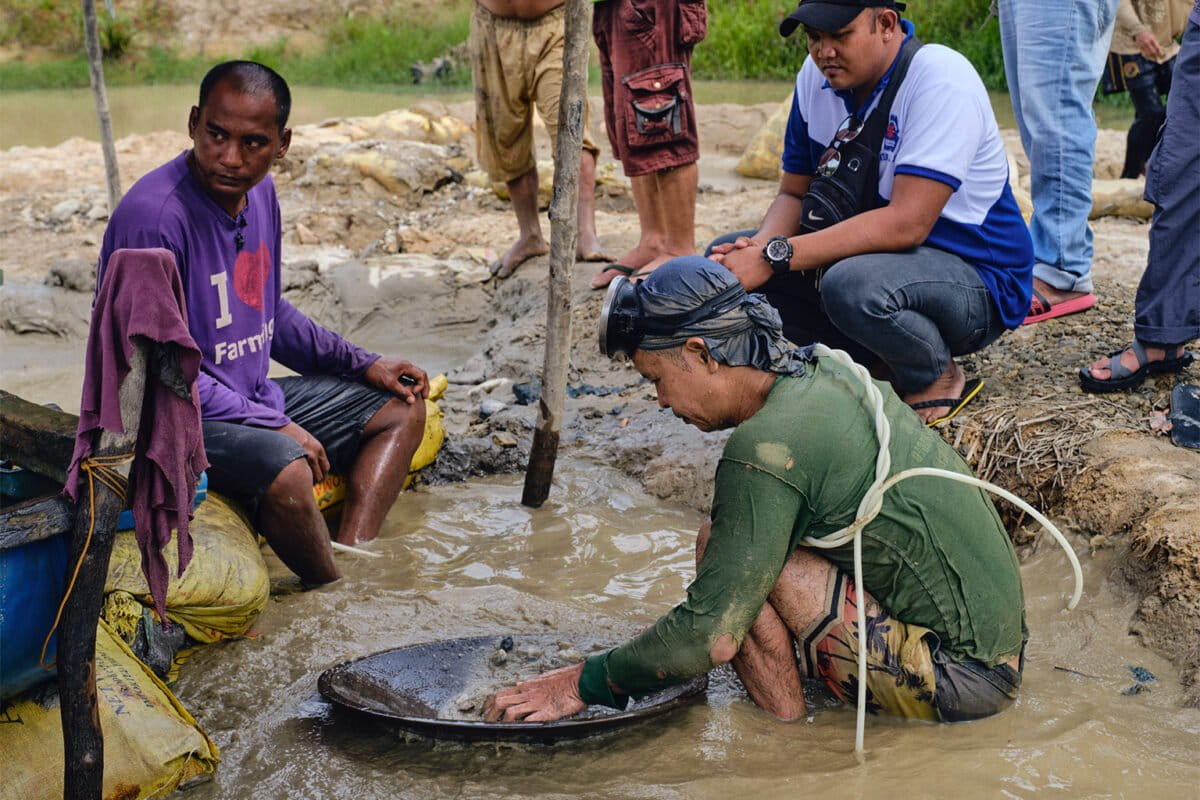
For Peru, where mining contributes significantly to GDP and employment, the debate over regulation reflects a larger struggle to reconcile economic development with ecological preservation. The government’s approach could set a precedent for how other nations balance similar priorities in resource-rich regions.
What’s Next?
As the proposal moves through the political process, stakeholders will be watching closely for further details on enforcement mechanisms, environmental protections, and the timeline for implementation. The outcome could shape the future of mining in Peru, influencing both local communities and the global supply chains that rely on the country’s mineral resources.
