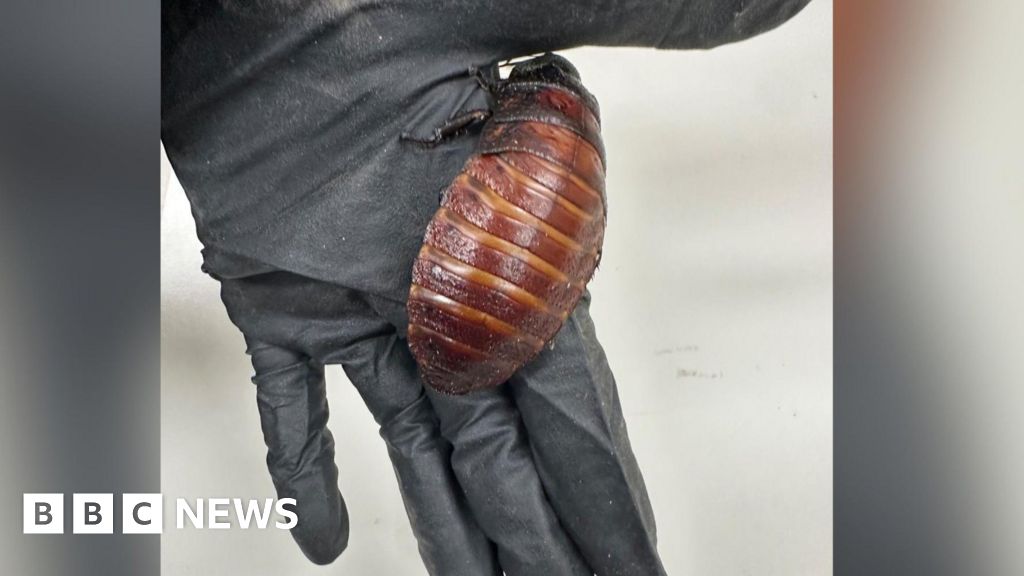
Giant Hissing Cockroaches and $200,000 in Illicit Insects Seized in Australia: A Shocking Wildlife Enforcement Breakthrough
In a stunning crackdown on illegal wildlife trafficking, Australian authorities recently intercepted a massive shipment of over 100,000 live insects, including rare giant hissing cockroaches, valued at an estimated $200,000. The operation, conducted in New South Wales, has sparked renewed discussions about the global trade in exotic animals and the challenges of enforcing biosecurity laws in an era of expanding online commerce. This unprecedented seizure not only highlights the scale of the illegal insect trade but also underscores the critical role of law enforcement in safeguarding ecosystems and public health.
The Scale of the Seizure: A Record-Breaking Operation
The discovery of 100,000 live insects in a single location represents one of the largest wildlife enforcement operations in recent Australian history. While the exact species involved have not been fully disclosed, reports confirm that the haul included giant hissing cockroaches, a species known for its unique appearance and growing popularity as a pet. These insects, native to Madagascar, are often sought after for their distinctive size and behavior, but their unauthorized importation poses significant risks to local biodiversity.
The seizure, which occurred in Bathurst, a regional city in New South Wales, was the result of a coordinated effort between customs officials, environmental agencies, and local police. Authorities discovered the insects in a private residence, where they were being bred and prepared for sale. The scale of the operation suggests a well-organized network, raising questions about how such a large quantity of live animals could remain undetected for so long.
“This is a wake-up call for the illegal wildlife trade,” said an anonymous official involved in the investigation. “The volume of insects seized indicates a sophisticated operation, and it’s clear that the demand for exotic pets is outpacing enforcement efforts.” The value of the insects, estimated at $200,000, reflects the high demand for rare and unusual species in both underground and online markets.
Why Giant Hissing Cockroaches? A Growing Trend in Exotic Pet Trade
Giant hissing cockroaches (Macropanesthia rhinoceros) are among the largest cockroach species in the world, growing up to 10 centimeters in length. Their docile nature and unique hissing sound have made them a popular choice for collectors and hobbyists. However, their unauthorized breeding and sale are strictly regulated in many countries, including Australia, due to concerns about their potential impact on native ecosystems.
The demand for these insects has surged in recent years, driven by social media influencers and online marketplaces that cater to the exotic pet community. While some breeders operate legally, others exploit loopholes in regulations, selling specimens without proper permits. This case highlights the challenges of monitoring and controlling the trade, particularly when it involves species that are not typically associated with the illegal wildlife trade.
“The fascination with exotic pets is not new, but the scale and complexity of the trade have grown significantly,” explained Dr. Emily Carter, a wildlife biologist at the University of Sydney. “What was once a niche market is now a global industry, and the risks to ecosystems and public health cannot be ignored.”
The Legal and Ecological Implications of the Seizure
The illegal trade in live insects is not just a matter of enforcement; it also raises serious ecological and public health concerns. Invasive species, if released into the wild, can disrupt local ecosystems, outcompete native wildlife, and introduce diseases. While giant hissing cockroaches are not typically considered a threat to Australia’s environment, their presence in large numbers could indicate broader issues with the regulation of exotic species.
Australia has some of the strictest biosecurity laws in the world, designed to protect its unique flora and fauna from foreign threats. The importation of live insects requires permits from the Department of Agriculture, Water and the Environment, and violations can result in hefty fines or imprisonment. The recent seizure suggests that these laws are being circumvented, either through deliberate fraud or a lack of oversight.
Environmental groups have criticized the case as a failure of regulatory frameworks. “This is not an isolated incident,” said Sarah Mitchell, a spokesperson for the Australian Conservation Foundation. “When we see such large quantities of live animals being trafficked, it’s a sign that our biosecurity systems are under pressure. We need stronger enforcement and greater public awareness to prevent similar cases in the future.”
A Global Problem with Local Consequences
The illegal trade in exotic animals is not unique to Australia. According to the World Wildlife Fund (WWF), the global wildlife trade is valued at over $20 billion annually, with insects and invertebrates making up a significant portion of the market. While much of the focus is on larger animals like elephants and pangolins, the trade in smaller species is often overlooked, despite its potential for environmental harm.
Online platforms have become a major facilitator of this trade, allowing sellers to reach customers across the globe. The anonymity of the internet makes it difficult for authorities to track and prosecute offenders. In this case, the breeder may have used encrypted messaging apps or private marketplaces to avoid detection, highlighting the need for stricter regulations on digital commerce.
“The internet has transformed the way wildlife is traded,” said Dr. Mark Thompson, a law professor specializing in environmental policy. “What was once a local, physical market is now a global, virtual one, and that presents new challenges for enforcement. We need to adapt our laws to keep pace with the digital age.”
Public Reaction and Calls for Action
The seizure has sparked a wave of public reaction, with many Australians expressing concern about the potential risks of the illegal insect trade. Social media platforms have been flooded with discussions about the case, with some users calling for stricter penalties
