
IDF Orders Evacuation of Areas in South Lebanon Amid Reports of Israeli Strikes
The Israel Defense Forces (IDF) have ordered the evacuation of specific areas in southern Lebanon as Israeli air raids and artillery strikes hit the region, including the city of Tyre. These developments come as a U.S.-brokered truce falters and reports of civilian displacement and casualties increase, according to reports from Haaretz, The New York Times, and Al Jazeera.
Current Military Operations in Southern Lebanon
The IDF has issued formal evacuation orders for residents in various sectors of southern Lebanon. According to Haaretz, these directives are coinciding with an increase in Israeli military activity. The orders typically signal imminent ground operations or intensified aerial bombardments in the targeted zones.
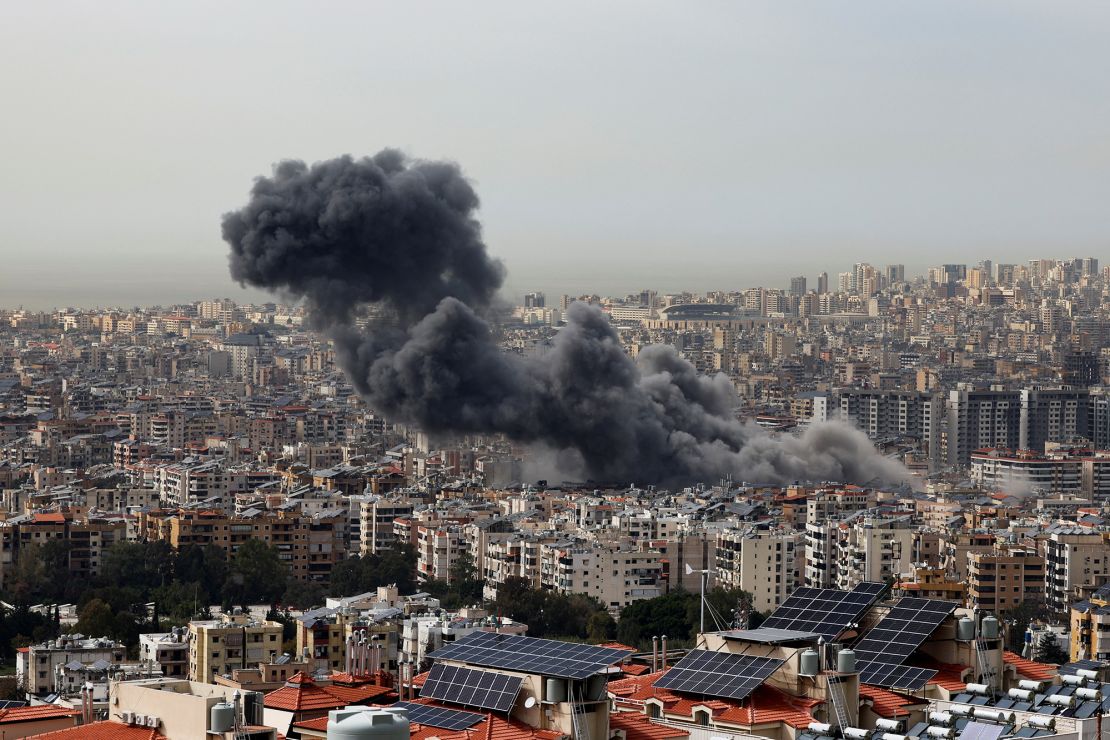
Military activity has not been limited to rural border villages. The New York Times reports that Israel has extended its strikes to the city of Tyre, a major urban center in the south. These strikes indicate a broadening of the operational scope, moving deeper into Lebanese territory than previous limited incursions.
On the ground, the impact of these operations is immediate. Al Jazeera reports that air raids and artillery fire have caused casualties, including at least one person injured in recent strikes. The use of artillery suggests a sustained bombardment strategy intended to degrade military infrastructure or clear paths for troop movements.
Key Operational Details
- Target Areas: Southern Lebanon, specifically including the urban center of Tyre.
- Methods of Attack: A combination of air raids and heavy artillery.
- IDF Directives: Mandatory evacuation orders issued to civilians in designated zones.
Why is the U.S.-Brokered Truce Faltering?
The current escalation occurs against the backdrop of diplomatic efforts to stabilize the region. The New York Times reports that a truce brokered by the United States is faltering. While the specific terms of the agreement aimed to reduce hostilities, the resumption of strikes in Tyre and the issuance of evacuation orders suggest a breakdown in the ceasefire’s implementation.

Diplomatic friction often arises from differing interpretations of “security guarantees.” Israel has frequently cited the need to ensure that Hezbollah cannot rebuild infrastructure near the border. Conversely, Lebanese authorities and international observers point to the continued strikes as a violation of the truce’s spirit and letter.
The failure of the truce increases the likelihood of a prolonged conflict. When diplomatic frameworks collapse, military actors typically revert to “buffer zone” strategies, which often involve the forced displacement of local populations to create a security perimeter.
“The strikes on Tyre and the subsequent evacuation orders represent a significant shift in the operational tempo, suggesting that the diplomatic window provided by the U.S. truce has closed or is no longer viewed as viable by the Israeli military command.”
Civilian Displacement and the Crisis in Tyre
The human cost of the current campaign is manifesting in mass displacement. Reuters reports that members of Lebanon’s Christian community are fleeing the city of Tyre. This movement is driven by a fear that the Israeli military campaign is designed to be permanent, or at least long-term, preventing residents from returning to their homes.
The exodus from Tyre is not merely a reaction to immediate shelling but a strategic fear of systemic displacement. Residents report that the intensity of the strikes makes urban life untenable, while the evacuation orders create a legal and physical pressure to leave.
Human Rights Watch has provided a broader perspective on these events, stating that Israeli displacement and the killing of civilians in Lebanon are “raging on.” The organization argues that the scale of displacement suggests a pattern of behavior that exceeds tactical military necessity.
Comparing Impact Reports
Different outlets highlight different dimensions of the civilian crisis, providing a fragmented but comprehensive view of the situation:
| Source | Primary Focus of Reporting | Key Finding/Claim |
|---|---|---|
| Reuters | Demographic Displacement | Christians fleeing Tyre due to fear of permanent exile. |
| Al Jazeera | Immediate Casualties | Direct reports of injuries from air raids and artillery. |
| Human Rights Watch | Systemic Human Rights | Claims of widespread civilian killings and forced displacement. |
Human Rights Concerns and Legal Implications
The reports from Human Rights Watch elevate the conflict from a tactical military engagement to a potential human rights crisis. The organization claims that the displacement of civilians is not a byproduct of war but a central feature of the current campaign. Under international humanitarian law, the forced displacement of civilians is prohibited unless the security of the civilians involved or imperative military reasons so demand.
Critics of the IDF’s strategy argue that the “evacuation orders” are used as a legal shield to justify the destruction of civilian infrastructure. By ordering people to leave, the military can claim it minimized civilian casualties, even if the resulting displacement creates a humanitarian catastrophe.
Furthermore, the “killings of civilians” cited by Human Rights Watch suggest that evacuation orders are not always effective or followed, leading to deaths in zones that were supposedly cleared. This discrepancy between official orders and on-the-ground reality is a recurring theme in modern urban warfare.
Legal Points of Contention
- Proportionality: Whether the strikes on Tyre are proportional to the military advantage gained.
- Distinction: The ability of the IDF to distinguish between Hezbollah combatants and the civilian population in densely populated cities.
- Right of Return: The legality of operations that result in long-term displacement, as feared by the residents reported by Reuters.
Timeline of Recent Escalations
The current situation is the result of a rapid sequence of events. The following table outlines the progression from diplomatic attempts to active military escalation.
| Phase | Action/Event | Reported Outcome |
|---|---|---|
| Diplomatic Phase | U.S.-Brokered Truce | Temporary reduction in hostilities; fragile stability. |
| Escalation Phase | Strikes on Tyre | Breakdown of truce; extension of combat zones. |
| Operational Phase | IDF Evacuation Orders | Mass civilian flight; preparation for ground activity. |
| Humanitarian Phase | Reports of Killings/Displacement | HRW and Reuters document civilian crisis. |
Geopolitical Implications of the South Lebanon Conflict
The conflict in southern Lebanon is rarely a bilateral issue. The involvement of the United States in brokering the now-faltering truce highlights the international stakes. If the IDF continues to push deeper into south Lebanon, it risks a wider regional escalation involving other state and non-state actors.
The displacement of specific demographics, such as the Christians in Tyre, also has long-term social implications for Lebanon. The country’s delicate sectarian balance is often disrupted by war, and the permanent displacement of any group can lead to shifted political power dynamics and increased social tension.
Moreover, the failure of U.S. diplomacy in this instance may signal a limit to American influence in the region. If a brokered truce cannot hold, it suggests that the parties on the ground—Israel and Hezbollah—are prioritizing military objectives over diplomatic concessions.
For more context on regional stability, you may find a related explainer on Middle East diplomatic frameworks useful.
Common Misconceptions Regarding Evacuation Orders
There is often a misunderstanding of what an “evacuation order” represents in a conflict zone. Many observers view these orders as a humanitarian gesture to save lives. However, human rights organizations and local residents often view them differently.

Misconception 1: Evacuation orders guarantee safety.
As noted by Al Jazeera, injuries and deaths still occur despite these orders. Civilians may be unable to leave due to age, disability, or lack of transportation, leaving them vulnerable to the strikes that follow the order.
Misconception 2: Evacuations are always temporary.
The reports from Reuters indicate that residents fear these orders are a precursor to permanent displacement. Once a city is evacuated and its infrastructure damaged, the “return” phase is often delayed by years or prevented entirely.
Misconception 3: The truce is a binary “on or off” switch.
The New York Times describes the truce as “faltering,” not necessarily dead. In high-intensity conflicts, truces often exist in a state of partial collapse where some areas remain quiet while others experience intense fighting.
FAQ: IDF Evacuations and Strikes in South Lebanon
Why did the IDF order evacuations in south Lebanon?
According to reports from Haaretz and other sources, the IDF issues evacuation orders to clear civilian populations from areas where it intends to conduct military operations, air raids, or artillery strikes. This is typically done to reduce civilian casualties during active combat.
Which cities are currently affected by Israeli strikes?
The New York Times specifically highlights the city of Tyre as a target of recent Israeli strikes, indicating that the conflict has expanded into major urban centers in southern Lebanon.
Is there currently a ceasefire in place?
A U.S.-brokered truce was established to end the hostilities, but The New York Times reports that this truce is currently faltering, as evidenced by the continued strikes and evacuation orders.
What is the humanitarian situation for civilians in Tyre?
Reuters reports that many residents, including the Christian population, are fleeing the city due to fear of permanent displacement. Human Rights Watch has further alleged that the campaign has involved the killing of civilians and widespread forced displacement.
Who is reporting on these events?
The current situation is being documented by a variety of international news organizations, including Haaretz, The New York Times, Al Jazeera, and Reuters, as well as human rights monitoring bodies like Human Rights Watch.
The situation in southern Lebanon remains fluid. The intersection of military directives, failing diplomacy, and humanitarian crises suggests a volatile period ahead for the region. Observers will be watching for whether the U.S. can revive the truce or if the IDF’s evacuation orders precede a larger ground offensive.
