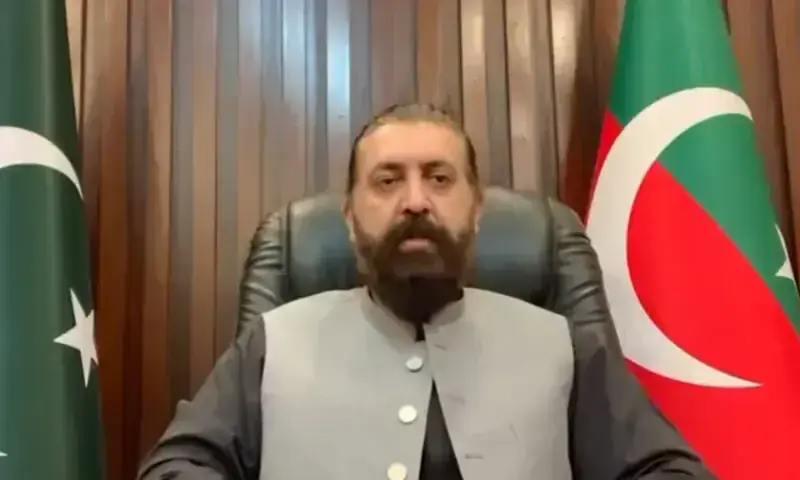
PTI Rejects Federal Budget for FY2026-27, Accuses Government of Prioritizing Elite Interests
The Pakistan Tehreek-e-Insaf (PTI) has formally rejected the proposed federal budget for the fiscal year 2026-27, labeling it an “exercise in elite self-preservation” that fails to address the needs of the broader population. The opposition party’s critique comes amid growing tensions between the ruling government and the PTI, which has long criticized the administration for its economic policies and perceived favoritism toward privileged groups.
The budget, which outlines fiscal priorities for the upcoming year, has faced sharp opposition from the PTI, which argues that it exacerbates inequality and overlooks critical sectors such as healthcare, education, and infrastructure. A senior party leader, Barrister Gohar, described the proposal as “disappointing” and accused the government of “prioritizing the interests of a select few over the welfare of the majority.”
The rejection has intensified political discourse in the country, with the PTI calling for a reevaluation of the budget’s core principles. The party’s stance reflects broader concerns about economic disparities and the distribution of public resources, issues that have remained central to its political agenda since its rise to power.
What Happened and Why It Matters
The PTI’s formal rejection of the federal budget for FY2026-27 marks a significant escalation in the political standoff between the ruling party and the opposition. The budget, which was presented by the government, includes allocations for defense, subsidies, and development projects, but the PTI argues that it lacks transparency and fails to address systemic challenges facing the economy.
According to a statement from the PTI, the budget “reflects a disconnect between the government’s priorities and the realities faced by ordinary citizens.” The party highlighted what it described as “a lack of investment in critical public services” and “excessive spending on initiatives that benefit the elite.” These claims align with the PTI’s broader criticism of the government’s economic approach, which it has previously accused of prioritizing corporate interests over social welfare.
The rejection comes at a time of heightened political volatility. The budget session in the National Assembly has been marked by heated debates, with the PTI and other opposition groups demanding greater accountability and transparency. The government, meanwhile, has defended the budget as a necessary step to stabilize the economy and address pressing challenges, including inflation and debt management.
Experts note that the PTI’s criticism is not entirely unexpected, given its history of opposing government policies. However, the party’s strong stance on this particular issue has drawn attention to the broader debate over economic equity and the role of the state in addressing poverty and inequality.
The Role of Public Protests and Political Tensions
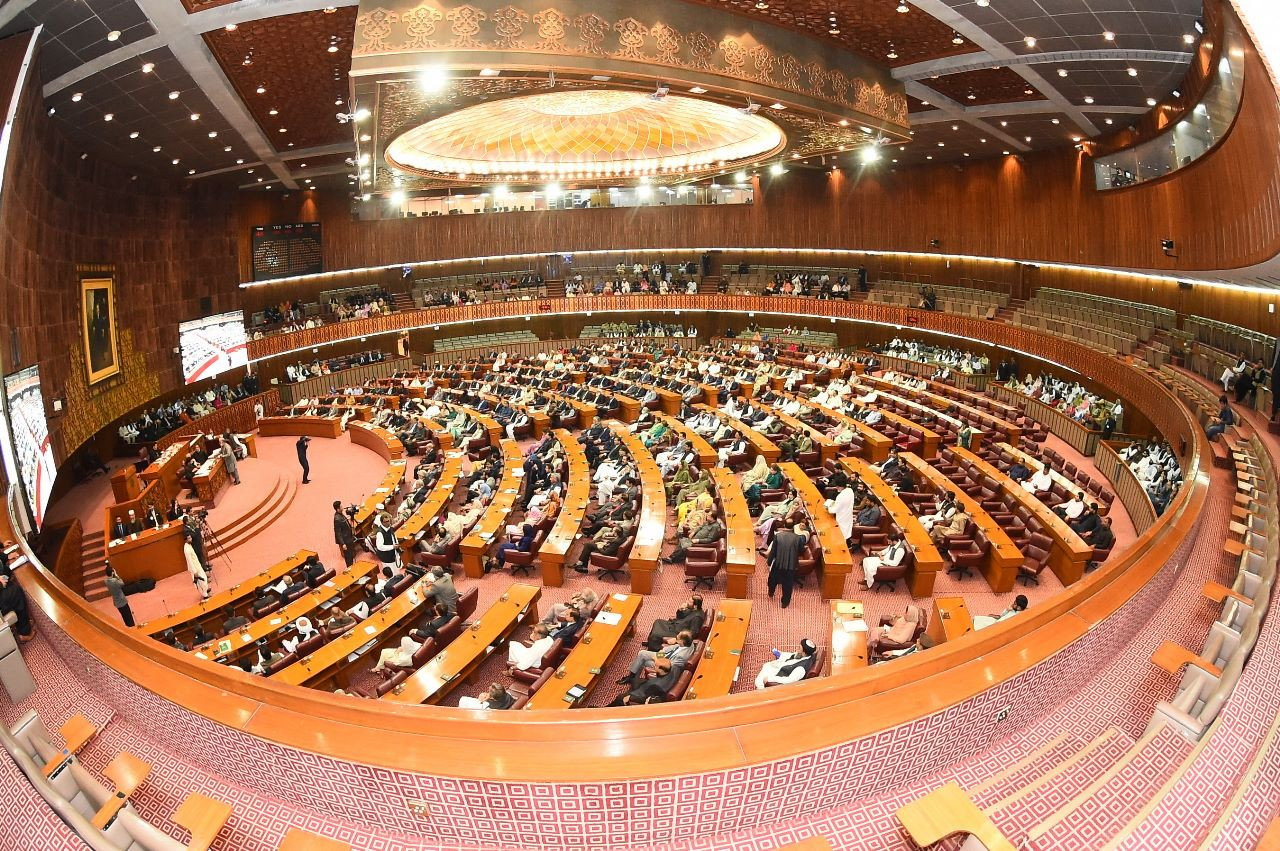
The rejection of the budget has coincided with a wave of public protests, particularly among government employees who have demanded better working conditions and fair compensation. In Islamabad, a group of workers staged a demonstration outside Parliament, urging the government to incorporate their demands into the budget. The protest ended after a federal minister assured them that their concerns would be addressed.
These protests underscore the growing frustration among public sector workers, who argue that their wages and benefits have not kept pace with rising living costs. The PTI has linked these grievances to the government’s budgetary priorities, suggesting that the allocation of resources reflects a lack of commitment to the needs of the working class.
The political tensions surrounding the budget have also spilled into the National Assembly, where clashes between government and opposition members have disrupted proceedings. The chaotic atmosphere has raised concerns about the effectiveness of the legislative process and the ability of the government to pass critical reforms.
Who Is Involved and What Are Their Stances?
The PTI’s rejection of the budget has positioned it as a key challenger to the ruling government’s economic agenda. The party’s leadership has consistently criticized the administration for its handling of the economy, with leaders such as Barrister Gohar and others emphasizing the need for more inclusive policies.
The government, on the other hand, has defended the budget as a reflection of its efforts to manage the country’s financial challenges. Officials have pointed to the need for fiscal discipline, arguing that the proposed allocations are necessary to maintain economic stability. They have also emphasized the importance of addressing debt servicing and ensuring that public funds are used efficiently.
The debate over the budget has also involved various interest groups, including business associations, labor unions, and civil society organizations. While some groups have supported the government’s approach, others have echoed the PTI’s concerns about the distribution of resources and the impact on vulnerable populations.
Public opinion remains divided. Surveys indicate that a significant portion of the population is dissatisfied with the government’s economic policies, with many citizens expressing concerns about inflation, unemployment, and the rising cost of living. The PTI’s criticism of the budget has resonated with these sentiments, reinforcing its position as a vocal advocate for economic reform.
Economic Context and Policy Implications
The rejection of the budget by the PTI highlights the broader economic challenges facing the country. Pakistan has been grappling with a persistent fiscal deficit, high inflation rates, and a growing external debt burden. The government’s budget for FY2026-27 aims to address these issues through a combination of fiscal austerity measures and targeted investments.
However, critics argue that the proposed measures do not go far enough to address the root causes of economic instability. The PTI has called for a more comprehensive approach, including increased public spending on social programs, tax reforms, and greater transparency in government expenditures. These proposals reflect the party’s broader vision for economic policy, which emphasizes equity and long-term sustainability.
The debate over the budget also raises questions about the role of the state in economic management. While the government has emphasized the need for fiscal responsibility, the PTI’s critique suggests that there is a growing demand for policies that prioritize social welfare and inclusive growth. This tension between fiscal conservatism and social investment is likely to shape the political landscape in the coming months.
What the Rejection Means for the Political and Economic Landscape
The PTI’s rejection of the budget is likely to have significant implications for both the political and
