Promising New Approach to Controlling Insect-Spread Disease Without Insecticides – GRDC
The Grains Research and Development Corporation (GRDC) is advancing a strategic shift in crop protection that seeks to manage insect-vectored diseases without the primary use of chemical insecticides. According to GRDC, this approach focuses on disrupting the biological relationship between the insect vector and the plant pathogen, rather than attempting to eradicate the insect population entirely. This transition aims to maintain grain yields while addressing the growing challenges of pesticide resistance and environmental regulation.
How the GRDC strategy reduces insecticide dependence
The traditional model of crop protection relies on the application of insecticides to kill the insects that carry viruses, bacteria, or fungi. However, GRDC reports that this method is becoming less effective as insect populations develop genetic resistance to common chemical agents. The promising new approach to controlling insect-spread disease without insecticides – GRDC is pivoting toward “transmission blocking” and “host resistance.”
Instead of targeting the mortality of the insect, researchers are investigating ways to make the plant less attractive to the vector or less susceptible to the pathogen the insect carries. This involves a multi-pronged scientific effort: identifying genetic markers in crops that naturally repel insects, developing biological controls that interfere with the insect’s ability to feed, and managing the landscape to discourage vector migration.
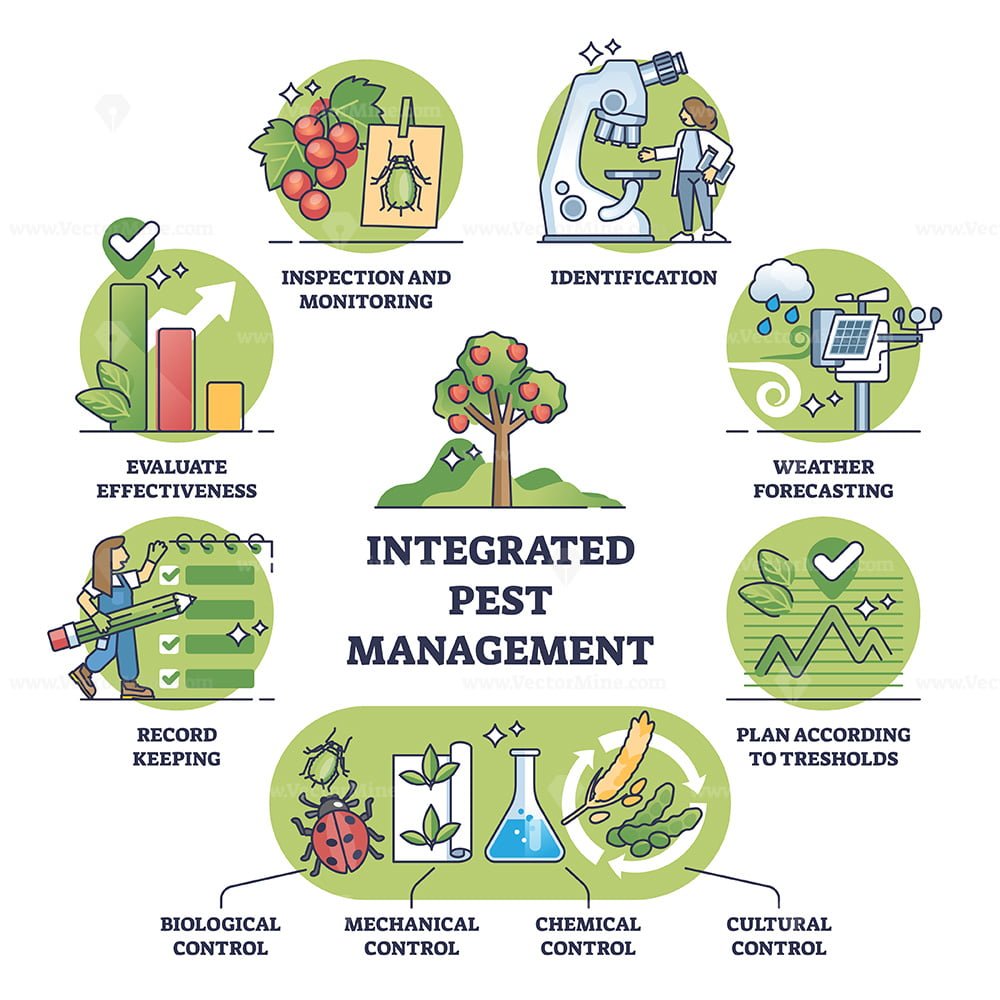
According to GRDC, the goal is to move toward an Integrated Pest Management (IPM) system. In this system, chemical interventions are the last resort rather than the first line of defense. By focusing on the mechanism of spread rather than the existence of the insect, growers can potentially reduce their input costs and lower the chemical load on the soil.
- Genetic Resistance: Breeding crop varieties that possess physical or chemical barriers to insect feeding.
- Biological Interference: Using non-toxic biological agents to disrupt the pathogen’s ability to survive inside the insect vector.
- Behavioral Modification: Altering the environment or plant signals to steer insects away from vulnerable crops.
Why traditional chemical controls are failing grain crops
The reliance on insecticides has created a biological arms race. GRDC data suggests that many common pests have evolved mechanisms to detoxify chemicals, rendering standard spray programs ineffective. When insecticides fail, the insect vectors—such as aphids, mites, and leafhoppers—continue to spread diseases like Barley Yellow Dwarf Virus (BYDV) or Wheat Curl Mite damage, often with higher intensity because the chemicals may have also killed the natural predators of these pests.
Beyond biological resistance, the regulatory landscape is shifting. Many active ingredients previously used in grain production are facing bans or stricter usage limits due to their impact on non-target species, particularly pollinators like bees. GRDC notes that the industry must find alternatives to avoid a “protection gap” where growers have no legal or effective means of controlling disease outbreaks.
“The shift away from total reliance on insecticides is not just an environmental preference but a biological necessity to ensure long-term food security and crop viability,” according to industry analysis supported by GRDC.
The economic burden of chemical control is also a factor. The cost of fuel, labor, and chemical inputs has risen, while the marginal return on additional insecticide applications has diminished. This creates a financial incentive for growers to adopt the promising new approach to controlling insect-spread disease without insecticides – GRDC, which emphasizes preventative biological strategies over reactive chemical ones.
The mechanics of insect-vectored disease transmission
To understand why a non-insecticide approach works, it is necessary to examine how these diseases spread. Most insect-spread diseases follow a three-part cycle involving the pathogen, the vector, and the host plant. The insect does not simply “carry” the disease; it often interacts with the pathogen in complex ways.
Persistent vs. Non-persistent transmission
According to agricultural research, pathogens are generally categorized by how they are transmitted. Non-persistent viruses are carried on the insect’s mouthparts (stylets) and can be transferred almost instantly to a new plant. Persistent viruses, however, must be ingested, circulate through the insect’s body, and enter the salivary glands before they can be transmitted.
The GRDC-supported approach targets these specific pathways. For persistent viruses, researchers are looking for ways to block the pathogen from entering the insect’s salivary glands. For non-persistent viruses, the focus is on reducing the “probing” behavior of the insect—the brief tastes it takes of a plant before deciding to feed—which is when most transmission occurs.
The role of plant signaling
Plants release volatile organic compounds (VOCs) that act as chemical signals. Some of these signals attract insects, while others warn neighboring plants of an attack. GRDC is exploring how to manipulate these signals to make crops “invisible” to the vectors. If an insect cannot locate the host plant, the disease cannot be transmitted, regardless of the insect’s population size in the surrounding area.
Comparing chemical insecticides to biological alternatives
The transition from chemical-heavy strategies to the GRDC-supported biological approach represents a fundamental change in agricultural philosophy. The following table compares the two methodologies across key performance indicators.
| Feature | Chemical Insecticides | GRDC Non-Chemical Approach |
|---|---|---|
| Primary Goal | Insect mortality (Kill the vector) | Transmission disruption (Stop the disease) |
| Environmental Impact | High risk to non-target species | Low risk; targets specific pathways |
| Resistance Risk | High; insects evolve quickly | Low; targets fundamental biology |
| Cost Structure | High recurring input costs | Higher initial R&D; lower operational cost |
| Speed of Action | Immediate (knockdown effect) | Preventative and long-term |
While insecticides provide an immediate “knockdown” effect, they often create a vacuum that is quickly filled by a new wave of insects. The non-chemical approach is a slower, more systemic strategy that aims for stability rather than eradication.
What these findings mean for sustainable grain production
The implementation of a promising new approach to controlling insect-spread disease without insecticides – GRDC has significant implications for the sustainability of the grain industry. By reducing the chemical load, farmers can improve soil health and protect the biodiversity of the surrounding ecosystem. This is particularly important for the long-term viability of the land, as over-reliance on certain chemicals can lead to soil degradation and the loss of beneficial microbial life.
From a market perspective, there is increasing consumer demand for “low-residue” or “chemical-free” produce. Transitioning to non-insecticide disease control allows growers to meet these standards, potentially opening new high-value markets and increasing the premium on their harvests. GRDC suggests that the ability to prove a sustainable production method can be a competitive advantage in international trade.
Furthermore, this approach reduces the risk of “secondary pest outbreaks.” In many cases, insecticides kill the predators (such as ladybirds and parasitic wasps) that naturally keep pest populations in check. By removing the chemical trigger, the natural ecosystem can return to a state of balance where the predators handle the insect population, and the crop’s own genetic resistance handles the disease.
Challenges in scaling non-chemical disease control
Despite the promise, moving from a laboratory setting to a thousand-hectare farm presents significant hurdles. One of the primary challenges is the variability of environmental conditions. A genetic trait that provides resistance in a controlled greenhouse may not perform as well under the extreme heat or drought conditions common in grain-growing regions. GRDC is currently funding field trials to ensure these biological solutions are robust enough for real-world application.
There is also the issue of “cultural inertia.” Many growers have relied on spray programs for decades. Transitioning to a system that requires more observation, timing, and ecological knowledge can be daunting. GRDC emphasizes the need for education and extension services to help farmers transition from a “spray-on-sight” mentality to a “monitor-and-manage” strategy.
Additionally, the development of resistant crop varieties takes time. Breeding a new wheat or barley variety that is resistant to a specific insect-borne virus can take years of crossing and testing. While the promising new approach to controlling insect-spread disease without insecticides – GRDC is the long-term solution, growers may still need to use targeted, minimal chemical applications during the transition period.
Addressing common misconceptions about non-chemical control
A common misconception is that “non-insecticide” means “doing nothing.” Some critics argue that abandoning chemicals will lead to catastrophic crop failure. However, GRDC clarifies that this approach is not about the absence of action, but the precision of action. It replaces the “blunt instrument” of broad-spectrum insecticides with “surgical” biological and genetic tools.
Another misconception is that biological controls are inherently slower or less effective. While they may not provide the instant visual satisfaction of seeing pests die in the field, the data suggests that they provide more stable, long-term protection. By preventing the disease from taking hold in the first place, the overall yield loss is often lower than in systems that react to an outbreak after it has already begun.
Finally, some believe that this approach only works for a few specific diseases. While the research often starts with a single pathogen, the principles of transmission blocking and host resistance are applicable across a wide range of insect-vectored threats. The framework developed for one virus can often be adapted for others, creating a scalable toolkit for crop protection.
Implementing the new approach on the farm
For growers looking to integrate these strategies, GRDC suggests a phased approach. This begins with enhanced monitoring. Instead of spraying on a calendar basis, growers are encouraged to use pheromone traps and scouting reports to identify exactly when and where vectors are arriving.
The second phase involves the adoption of resistant cultivars. By selecting seeds that are bred for tolerance to specific vectors, the baseline risk of disease is lowered. This reduces the “pressure” on the crop, meaning that if a chemical intervention is eventually needed, it can be applied in a much smaller, targeted area (spot-spraying) rather than across the entire field.
The final phase is the integration of biologicals. This can include the application of beneficial fungi or bacteria that compete with the pathogens inside the insect vector. While still in the early stages of commercial availability, these tools represent the frontier of the promising new approach to controlling insect-spread disease without insecticides – GRDC.
Frequently Asked Questions
What exactly is the “promising new approach” mentioned by GRDC?
It is a shift from using insecticides to kill insect vectors to using biological and genetic strategies that stop the insects from transmitting diseases to the plants. This includes breeding resistant crops and disrupting the pathogen’s life cycle within the insect.
Will this approach completely eliminate the need for chemicals in farming?
While the goal is to significantly reduce reliance on insecticides, GRDC views this as part of an Integrated Pest Management (IPM) system. Chemicals may still be used as a last resort in extreme outbreaks, but they will no longer be the primary tool for disease control.
How does this benefit the average grain grower?
Growers benefit from lower input costs (less spending on chemicals and fuel), reduced risk of pesticide resistance, and the ability to market their crops as sustainably produced, which can lead to higher prices.
Does this method work for all types of insect-spread diseases?
The principles of host resistance and transmission blocking are broadly applicable. However, the specific tools (such as which genetic marker to use) vary depending on the specific insect vector and the pathogen involved.
How long does it take to see results from non-chemical methods?
Genetic resistance provides immediate protection once the seed is planted. Biological controls and ecosystem management may take a few seasons to fully stabilize as natural predator populations recover and the environment balances.
Is this approach compatible with organic farming?
Yes, the focus on biological controls and genetic resistance aligns closely with organic principles. However, the GRDC approach is designed for broad application across both conventional and organic grain systems to ensure overall food security.
