
US Bombs Iran After Trump Threat; Tehran Closes Hormuz Strait to All Ships
The United States has launched military strikes against Iran following threats from President Trump to hit the country “hard,” according to the BBC. In response, Tehran announced the closure of the Strait of Hormuz to all maritime traffic, Reuters reports, while the IRGC Quds Force Chief claims a new “security belt” now extends from Hormuz to Bab el-Mandeb, according to Tasnim.
Why did the US launch strikes on Iran?
The US military initiated new strikes on Iranian territory following explicit warnings from President Trump. According to the BBC, these operations were triggered by the President’s vow to hit Iran “hard,” signaling a shift toward more aggressive kinetic action. While the specific targets of the strikes were not detailed in the immediate reports, the action follows a period of heightened rhetoric and escalating tensions between Washington and Tehran.
The strikes represent a direct execution of the administration’s stated intent to apply maximum pressure on the Iranian government. By moving from threats to active bombardment, the US has shifted the conflict from a diplomatic and economic standoff to an active military engagement.
How has Iran responded to the US attacks?
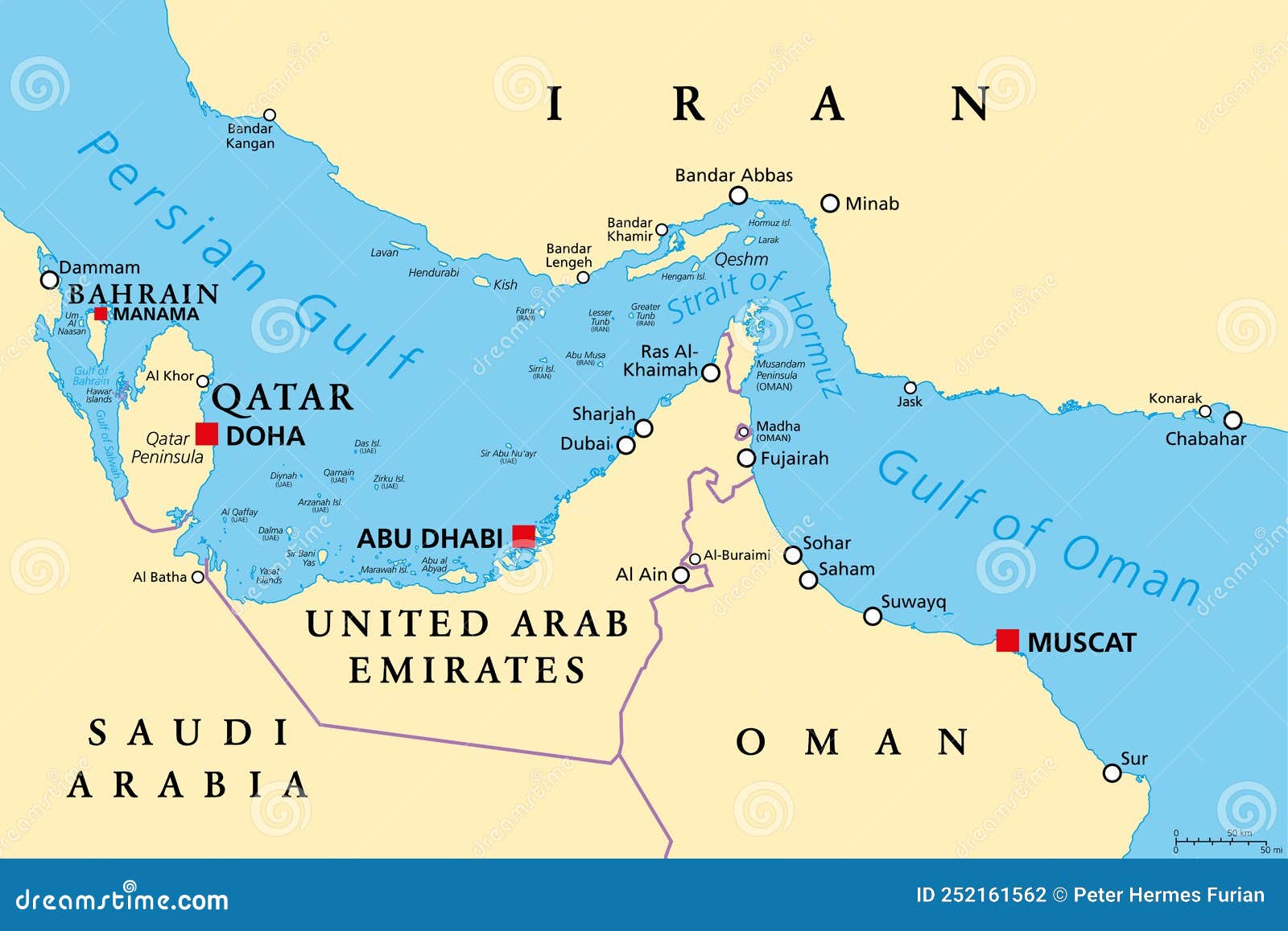
Tehran responded to the US military action by announcing the total closure of the Strait of Hormuz. Reuters reports that Iran has declared the waterway closed to all ships, a move that threatens to disrupt a significant portion of the world’s energy supply. This closure serves as a strategic counter-measure, leveraging Iran’s geographical control over the narrow chokepoint to exert global economic pressure.
Beyond the closure of the strait, Iran’s military leadership has signaled a broader strategic expansion. The Chief of the IRGC Quds Force stated, via the Tasnim News Agency, that the “Resistance’s New Security Belt” now extends from the Strait of Hormuz in the east to the Bab el-Mandeb strait in the west. This claim suggests that Iran and its allies intend to monitor and potentially restrict maritime traffic across two of the most critical waterways in the Middle East.
Key Responses at a Glance
| Entity | Action/Statement | Source |
|---|---|---|
| United States | Launched military strikes after vows to hit “hard” | BBC |
| Iran (Government) | Closed the Strait of Hormuz to all ships | Reuters / Al Jazeera |
| IRGC Quds Force | Declared a “Security Belt” from Hormuz to Bab el-Mandeb | Tasnim |
| US Military | Confirmed no warships were struck in the Strait | Al-Monitor |
What is the current status of US warships in the region?
Despite the volatility in the Persian Gulf and the Iranian announcement regarding the closure of the Strait of Hormuz, the US military maintains that its naval assets remain secure. According to Al-Monitor, the US military stated that none of its warships were struck during the recent escalations in the Strait of Hormuz.
This statement contradicts the general atmosphere of conflict and the IRGC’s claims of a new security perimeter. It indicates that while the US has conducted offensive air or missile strikes, it has not yet suffered direct losses to its surface fleet in the immediate vicinity of the Hormuz chokepoint.
What is the significance of the “Security Belt” from Hormuz to Bab el-Mandeb?
The announcement by the IRGC Quds Force regarding a “Security Belt” extending from the Strait of Hormuz to the Bab el-Mandeb is a significant escalation in strategic signaling. According to Tasnim, this belt represents a coordinated effort by the “Resistance” to secure maritime corridors across the region.
To understand the impact of this claim, one must look at the geography of these two points:
- Strait of Hormuz: The only sea passage from the Persian Gulf to the open ocean. It is the primary route for oil exports from Saudi Arabia, Iraq, Kuwait, and the UAE.
- Bab el-Mandeb: A strait between Yemen on the Arabian Peninsula and Djibouti and Eritrea in the Horn of Africa. It connects the Red Sea to the Gulf of Aden and is a vital link for ships traveling between Asia and Europe via the Suez Canal.
By claiming a “Security Belt” that spans both, the IRGC is asserting that it possesses the capability to disrupt shipping not just in the Gulf, but also in the Red Sea. This creates a dual-chokepoint threat, effectively placing a large portion of global trade under the shadow of Iranian-led influence.
For more on the strategic importance of these waterways, see a related explainer on Middle East maritime chokepoints.
How does the closure of the Strait of Hormuz affect global markets?
The closure of the Strait of Hormuz, as reported by Reuters and Al Jazeera, is a high-impact event for global economics. Because a substantial percentage of the world’s liquefied natural gas (LNG) and crude oil passes through this narrow corridor, any prolonged closure typically leads to immediate volatility in energy prices.
The immediate consequences of such a closure include:
- Oil Price Spikes: Markets react to the risk of supply shortages, often driving Brent and WTI crude prices upward.
- Shipping Insurance Hikes: Insurance premiums for tankers entering the region (War Risk Insurance) typically skyrocket, increasing the cost of transported goods.
- Supply Chain Disruption: Beyond oil, the closure affects the movement of chemicals and other industrial raw materials.
The IRGC’s claim of extending this control to the Bab el-Mandeb further compounds these risks. If both straits are contested or closed, the alternative routes—such as sailing around the Cape of Good Hope in Africa—add thousands of miles and significant time to transit, further inflating global shipping costs.
Comparing the narratives: US vs. Iran
There is a sharp contrast in how the US and Iranian sources are framing the current conflict. The US narrative, as reflected in BBC reporting, frames the strikes as a necessary response to threats and a means of enforcing stability through strength. The US military’s statement via Al-Monitor emphasizes resilience, noting that its warships remain untouched despite the tension.

Conversely, the Iranian narrative focuses on “resistance” and “security.” The reports from Tasnim and the announcement of the Strait’s closure frame Iran’s actions as a defensive and sovereign response to foreign aggression. While the US focuses on the target of its strikes, Iran focuses on the target of its leverage: the global economy and maritime trade.
The discrepancy between the IRGC’s claim of a “Security Belt” and the US military’s report of no warships being hit suggests a gap between strategic posturing and tactical reality. The IRGC is projecting a wide-reaching capability to control the seas, while the US military is reporting a lack of successful Iranian strikes against its primary naval assets.
What are the potential long-term implications of this escalation?
The transition from economic sanctions to active bombing and the closure of international waterways suggests a new phase of the US-Iran conflict. The long-term implications involve several critical dimensions:
Military Escalation
The use of bombing campaigns increases the likelihood of a symmetrical response. If Iran feels that its mainland is vulnerable to US air power, it may increase its reliance on asymmetric warfare, such as using drone swarms or mine-laying operations in the Strait of Hormuz to deter US naval presence.
Diplomatic Isolation
The closure of a recognized international strait is often viewed as a violation of international maritime law (UNCLOS). This could provide the US with the diplomatic leverage to build a broader international coalition to “police” the strait, potentially leading to a multilateral naval task force to ensure the free flow of commerce.
Regional Realignment
The “Security Belt” mentioned by the IRGC suggests a deeper integration between Iran and its regional proxies in Yemen (the Houthis) and other areas. This alignment seeks to create a continuous corridor of influence that challenges the traditional security architecture led by the US and its Gulf allies.
For further analysis on regional power shifts, refer to a related report on the Axis of Resistance.
Frequently Asked Questions
Is the Strait of Hormuz completely closed?
According to reports from Reuters and Al Jazeera, Tehran has announced the closure of the Strait of Hormuz to all ships following US military strikes. However, the actual enforcement of this closure—whether it applies to all vessels or specifically to US-affiliated ships—is often a point of tactical fluctuation during such crises.
What triggered the US strikes on Iran?
The BBC reports that the strikes occurred after President Trump vowed to hit Iran “hard.” This suggests the strikes were a direct result of a policy shift toward more aggressive military action in response to Iranian activities.
What is the “Security Belt” mentioned by the IRGC?
As reported by Tasnim, the IRGC Quds Force Chief described a “New Security Belt” that extends from the Strait of Hormuz to the Bab el-Mandeb. This indicates a strategic goal to project power and control over the two primary maritime chokepoints of the Middle East.
Have US warships been damaged in the conflict?
According to Al-Monitor, the US military has stated that none of its warships were struck in the Strait of Hormuz, despite the ongoing hostilities and the closure of the waterway.
How does this affect the price of gas?
While the strikes themselves are a military event, the closure of the Strait of Hormuz directly impacts the global oil supply. Because so much of the world’s oil passes through this point, such closures typically lead to an increase in global crude oil prices, which can eventually lead to higher prices for consumers at the pump.
