
Richard Scolyer’s Legacy: The ‘Final Farewell’ Featured on Australian Story June 15
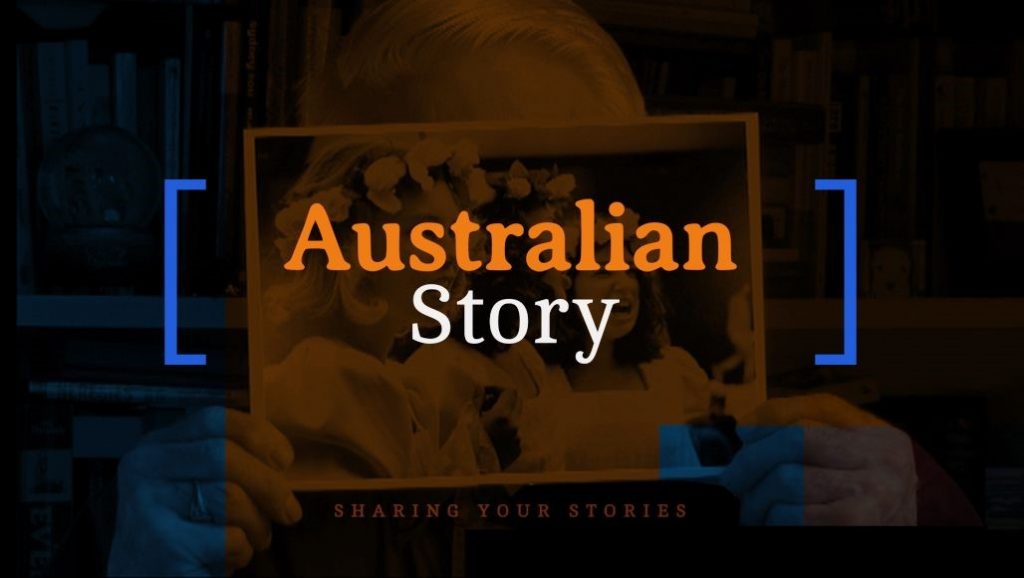
Richard Scolyer, a former Australian of the Year and pioneering neuro-oncologist, has died after undergoing a world-first brain tumor treatment. His life, medical contributions, and personal battle with cancer are the focus of the June 15 episode of Australian Story, which serves as a final farewell to the doctor and researcher.
Who was Richard Scolyer and why is his story significant?
Richard Scolyer was a prominent Australian physician and researcher specializing in brain cancer. He gained national recognition not only for his clinical work but also as a public figure, serving as the Australian of the Year. According to reports from the BBC, Scolyer became a global point of interest when he transitioned from being a leading treator of brain tumors to a patient himself, eventually undergoing a world-first treatment for his own malignancy.
The significance of Scolyer’s story lies in the intersection of his professional expertise and his personal experience. He spent his career searching for cures for glioblastoma—an aggressive form of brain cancer—and spent his final years testing those very theories on his own body. The ABC’s Australian Story, specifically the episode airing June 15, documents this trajectory, framing it as a “final farewell” that captures the essence of a man who remained a scientist until the end.
Key aspects of his significance include:
- Medical Innovation: He led research into personalized medicine for brain cancer.
- Public Advocacy: As Australian of the Year, he raised the profile of cancer research and patient care.
- Patient-Scientist Dualism: He documented his own decline and treatment, providing rare insight into the patient experience from a clinical perspective.
What was the ‘world-first’ brain tumor treatment?
According to the BBC, Richard Scolyer underwent a medical procedure that had never been attempted before in the same manner. While the specific technical minutiae of the treatment are often reserved for clinical journals, the BBC reports that the intervention was a pioneering effort to target the specific genetic markers of his tumor.
The approach shifted away from the “one size fits all” model of chemotherapy and radiation. Instead, Scolyer utilized a personalized treatment regimen based on the unique molecular profile of his cancer. This method, often referred to as precision oncology, aims to identify the specific mutations driving a tumor’s growth and use targeted therapies to shut them down.
The Conversation notes that Scolyer’s legacy is defined by this pioneering research. By applying these experimental treatments to himself, he provided a real-time case study in the efficacy and limitations of current neuro-oncology. This willingness to be “patient zero” for his own research is a recurring theme in the June 15 broadcast of Australian Story.
How did different media outlets frame Richard Scolyer’s life?
Analysis of the coverage reveals a distinct difference in how various outlets characterized Scolyer. While all agreed on his impact, the framing varied based on the publication’s focus.
| Source | Primary Framing | Key Emphasis |
|---|---|---|
| BBC | Medical Milestone | The “world-first” nature of his treatment and the clinical outcome. |
| The Conversation | Academic Legacy | The long-term impact of his research on brain cancer science. |
| The Australian | Personal Character | His “courage, grace, and generosity” as a human being. |
| ABC (Australian Story) | Narrative Journey | The emotional arc of his “final farewell” and personal reflections. |
The BBC focused on the “what”—the medical breakthrough and the fact of his death. In contrast, The Australian focused on the “who,” describing him as a man of immense grace. The Conversation provided the “why,” explaining how his research creates a foundation for future doctors to save lives. This multi-faceted portrayal suggests that Scolyer was viewed simultaneously as a scientific asset, a national symbol, and a private individual facing mortality.
The timeline of Richard Scolyer’s medical and public journey
Understanding the trajectory of Scolyer’s life requires looking at the progression from his clinical success to his personal diagnosis. While specific dates for every clinical trial are not always public, the general timeline of his public life is well-documented.
- Clinical Ascent: Scolyer establishes himself as a leading neuro-oncologist, focusing on the complexities of brain tumors.
- National Recognition: He is named Australian of the Year, using the platform to advocate for medical research and the importance of the doctor-patient relationship.
- Personal Diagnosis: Scolyer is diagnosed with the same aggressive brain cancer he had spent his life treating.
- Experimental Phase: He undergoes a series of treatments, including the “world-first” procedure reported by the BBC, documenting the process for the benefit of future research.
- Final Documentation: He records his reflections and experiences, which form the basis of the Australian Story episode.
- Passing: His death marks the end of his physical battle but the beginning of the public dissemination of his final findings and farewell.
Why does the ‘final farewell’ on June 15 matter for the public?
The airing of Australian Story: June 15 – TV Tonight | Australia’s Leading TV Blog (referencing the episode’s coverage) is more than a biographical tribute. It serves several societal and medical functions.
Demystifying Terminal Illness
By sharing his “final farewell,” Scolyer provides a rare, transparent look at the process of dying with a terminal brain tumor. Most medical narratives focus on the cure; Scolyer’s narrative focuses on the experience of the transition, providing a roadmap of “grace” and “courage” as described by The Australian.

Validating Precision Medicine
His willingness to undergo an experimental, world-first treatment highlights the necessity of risk in medical progress. According to The Conversation, his legacy is not found in a “cure” he achieved for himself, but in the data he left behind. This validates the shift toward personalized oncology, where the patient’s own genetic code dictates the treatment.
The Role of the ‘Physician-Patient’
There is a profound psychological shift when a doctor becomes the patient. Scolyer’s story explores this duality. He was able to analyze his own symptoms with clinical detachment while feeling them with human intensity. This perspective is crucial for other medical professionals who may face similar health crises, emphasizing the importance of empathy in clinical practice.
“Richard Scolyer leaves a unique legacy of pioneering brain cancer research,” according to The Conversation, emphasizing that his contributions extend far beyond his own life.
Common misconceptions about brain cancer and Scolyer’s research
Public discourse often simplifies brain cancer as a singular entity. However, Scolyer’s work highlighted the extreme heterogeneity of these tumors. A common misconception is that a single “cure” for brain cancer is possible. Scolyer’s research argued instead for a personalized approach.
Another misconception is that experimental treatments are “last resorts” with no value if they do not result in a complete cure. As the BBC’s reporting suggests, the value of Scolyer’s world-first treatment was not just in extending his life, but in proving the viability of the method. In the world of oncology, a “failed” treatment that produces high-quality data is often considered a success for the broader medical community.
For those seeking more information on how medical research is funded and prioritized, a related explainer on clinical trial phases may provide helpful context on how treatments move from the lab to patients like Scolyer.
The broader impact on Australian medical identity
Scolyer’s role as Australian of the Year intertwined his medical identity with a national one. He represented a specific ideal of the Australian professional: one who is globally competitive in science but remains grounded in humility and service. The Australian’s description of his “generosity” suggests that his impact was as much about how he treated people as it was about how he treated tumors.
His story also underscores the importance of the Australian Broadcasting Corporation’s (ABC) role in documenting national figures. By dedicating an episode of Australian Story to his farewell, the network transforms a medical case study into a national narrative of resilience.
Key points regarding his impact:
- Research: Pushed the boundaries of glioblastoma treatment through precision medicine.
- Ethics: Demonstrated the ethical courage of self-experimentation for the greater good.
- Public Image: Humanized the medical profession by showing the vulnerability of a top-tier surgeon.
Frequently Asked Questions
What was the main focus of the Australian Story episode on June 15?
The episode focused on the “final farewell” of Richard Scolyer, detailing his journey from a leading brain cancer researcher and former Australian of the Year to a patient fighting the same disease. It highlighted his courage and the medical legacy he left behind.
Did Richard Scolyer’s world-first treatment cure his cancer?
While the BBC reports that he underwent a world-first treatment, the reports of his passing indicate that the treatment did not provide a permanent cure. However, the treatment was significant for the data it provided to the field of neuro-oncology.
What is the legacy of Richard Scolyer’s research?
According to The Conversation, Scolyer’s legacy is a pioneering approach to brain cancer research, specifically in the realm of personalized and precision medicine, which aims to tailor treatments to the genetic profile of an individual’s tumor.
Why was Richard Scolyer named Australian of the Year?
Scolyer was recognized for his exceptional contributions to medicine, his leadership in cancer research, and his dedication to improving the lives of patients suffering from aggressive brain tumors.
Where can I find more information about the treatments mentioned in his story?
Detailed information on precision oncology and glioblastoma research can be found through medical journals and reports from institutions like the BBC and The Conversation, which covered his specific case.
The life of Richard Scolyer serves as a bridge between the cold precision of oncology and the warm reality of human experience. Through his final days, he remained a student of his own disease, ensuring that his death contributed to the eventual survival of others. The June 15 broadcast of Australian Story ensures that this duality—the scientist and the man—is preserved for the public record.
