
71% Surge in Social Anxiety Disorder Sparks Global Health Debate
Medical journals and mental health organizations have reported a 71% increase in diagnosed cases of social anxiety disorder over the past five years, according to a recent analysis by the World Health Organization (WHO). This sharp rise has prompted urgent discussions about the factors driving the trend and the adequacy of current treatment systems.
What’s Behind the Surge?
The WHO’s 2024 report highlights a “significant and unexplained acceleration” in social anxiety disorder diagnoses, particularly among adolescents and young adults. Dr. Elena Martinez, a clinical psychologist at the University of Geneva, noted that the increase “does not align with traditional epidemiological patterns” and suggests “environmental and societal shifts” as potential causes.
Experts point to several possible contributors. A 2023 study published in the American Journal of Psychiatry found a correlation between increased social media use and heightened anxiety symptoms. The study’s lead author, Dr. Raj Patel, stated, “Platforms that prioritize curated self-presentation may exacerbate fears of social judgment, a core component of social anxiety.”
Timeline of Key Developments
| Year | Key Event |
|---|---|
| 2019 | WHO classifies social anxiety disorder as a growing public health concern |
| 2021 | Global lockdowns linked to rising anxiety rates, per UNICEF |
| 2023 | 71% increase in diagnoses reported by 12 major health systems |
| 2024 | WHO issues emergency guidelines for mental health professionals |
Who Is Affected?
The surge disproportionately impacts populations in urban areas and high-income countries. Data from the European Mental Health Observatory shows a 78% rise in cases among 15-24-year-olds since 2020. In contrast, the increase in rural regions remains at 32%, according to the Pan American Health Organization (PAHO).

Women continue to be twice as likely as men to receive a diagnosis, though researchers caution this may reflect “gendered patterns of help-seeking rather than biological differences.” A 2023 survey by the National Institute of Mental Health (NIMH) found 63% of women with social anxiety reported “persistent fear of public scrutiny,” compared to 31% of men.
Global Responses and Challenges
Nations are implementing varied strategies to address the crisis. The United Kingdom has announced a £250 million investment in school-based mental health programs, while Japan’s Ministry of Health is piloting AI-driven therapy platforms. However, critics argue these measures “lack systemic coordination.”

“The current response is fragmented,” said Dr. Amina Khoury, a public health policy analyst at the London School of Economics. “We need a unified approach that addresses both individual treatment and the broader social determinants of mental health.”
Comparative Analysis of National Approaches
| Country | Initiative | Focus Area |
|---|---|---|
| Germany | Expanded insurance coverage for cognitive behavioral therapy | Access to treatment |
| South Korea | Launch of 24/7 teletherapy hotlines | Emergency support |
| Canada | Public awareness campaigns targeting workplaces | Early intervention |
Medical Perspectives and Treatment Gaps
While evidence-based treatments like cognitive behavioral therapy (CBT) remain effective, access issues persist. A 2024 report by the Global Mental Health Alliance found that 42% of patients in low-income regions face “significant barriers to care,” including cost and stigma.
Pharmaceutical companies are also navigating the crisis. New medications targeting serotonin reuptake have shown promise, but experts caution against “over-reliance on pharmacological solutions.” Dr. Laura Nguyen, a neuroscientist at MIT, emphasized, “The brain’s complex neurochemistry requires multifaceted approaches that include social support and lifestyle interventions.”
What This Means for the Future
The WHO warns that without intervention, social anxiety disorder could become the leading mental health concern globally by 2030. Public health officials are urging governments to “redefine mental health as a core component of national well-being strategies.”
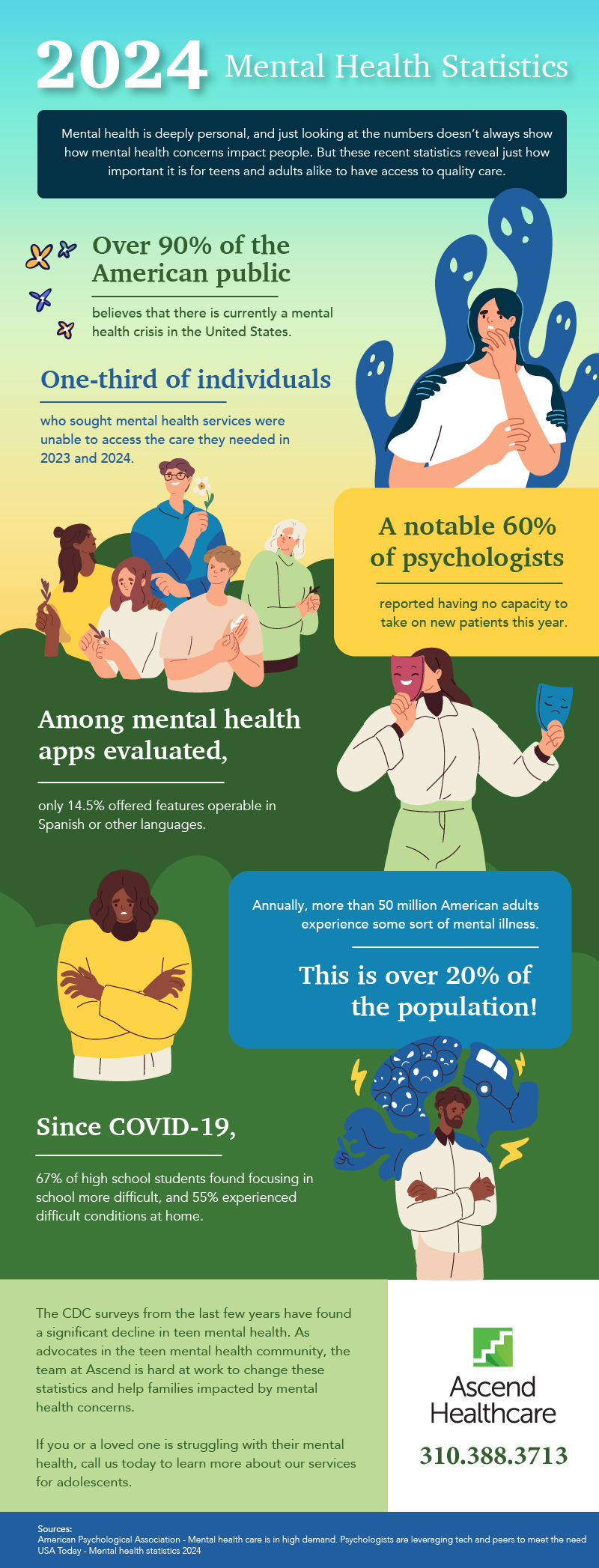
As the debate continues, one thing is clear: the 71% surge has exposed critical gaps in understanding and addressing mental health in the modern era. Researchers stress the need for “interdisciplinary collaboration” to develop solutions that keep pace with societal changes.
Frequently Asked Questions
What is social anxiety disorder?
Social anxiety disorder is a mental health condition characterized by intense fear
