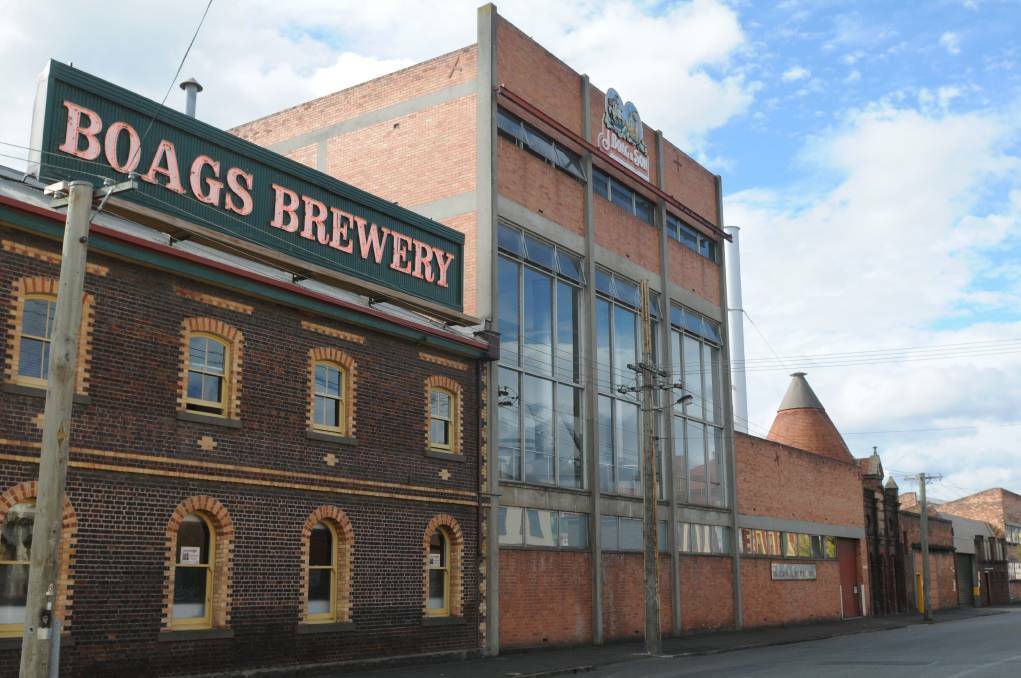
Boag’s Brewery Closes Its Doors: The End of a 145-Year Legacy in Tasmania
Launceston’s most storied brewery will cease production by November, marking the end of an era for a brand synonymous with Tasmanian identity. With 42 jobs at risk and a heritage stretching back to 1881, the closure of James Boag’s Tasmanian operations underscores the challenges facing Australia’s struggling beer industry—and the broader economic shifts reshaping regional economies.
The decision by parent company Lion Australia to shift Boag’s production to mainland facilities comes amid a decade-long decline in national beer consumption, soaring operational costs, and a brewery running at just one-fifth of capacity. While the iconic brand will remain available in Tasmania, its future is now tied to mainland production lines, severing a 145-year connection to the state’s landscape and culture.
For Launceston Mayor Matthew Garwood, the announcement is a “real kick in the guts”—a loss that reverberates far beyond the brewery’s walls. The closure isn’t just about beer. it’s about the erosion of a cornerstone institution in a city where Boag’s has been woven into the fabric of daily life for generations.
— ### What Happened: A Timeline of Decline and Decision The story of Boag’s brewery’s end is one of gradual decline, punctuated by strategic missteps and industry-wide pressures. Here’s how it unfolded: – 1881: The brewery opens in Launceston, quickly becoming a local landmark. – Early 2000s: Lion Australia acquires Boag’s, integrating it into its broader portfolio. – 2010s: National beer sales begin a steady decline, accelerated by health trends, craft beer competition, and shifting consumer preferences. – 2020–2023: Boag’s Tasmanian operations struggle with underutilized capacity, operating at roughly 20% of its original production levels, according to company statements. – June 2, 2026: Lion Australia announces the permanent cessation of brewing in Tasmania by November, citing “significant cost inflation” and the unsustainability of maintaining a near-empty facility.
Key Point: The closure isn’t sudden—it’s the culmination of years of underperformance. By 2024, Boag’s had already shifted most mainland production to Queensland and New South Wales, leaving Tasmania as the sole remaining hub. Now, even that is gone.
— ### Who’s Involved: Stakeholders and Their Interests The fallout from Boag’s closure affects multiple parties, each with distinct stakes in the outcome: #### 1. Lion Australia – Role: Parent company, owner of Boag’s brand. – Position: Frames the decision as economically necessary, citing industry-wide challenges. Maintains that Boag’s beers will remain available in Tasmania, brewed elsewhere. – Motivation: Consolidation of production to reduce costs and improve efficiency amid declining demand. #### 2. James Boag’s Employees (42 Affected) – Role: Workers at the Launceston brewery, including brewers, logistics, and administrative staff. – Impact: Immediate job losses, with some likely eligible for relocation to mainland Lion facilities or severance packages. – Reaction: Uncertainty and disappointment, as the brewery has been a stable employer for decades. #### 3. Launceston and Tasmania – Role: Local government, businesses, and residents tied to Boag’s cultural and economic legacy. – Impact: – Economic: Loss of a major employer and a blow to the city’s tourism-driven economy, which relies on heritage brands. – Cultural: Boag’s was more than a brewery—it was a symbol of Tasmanian identity, marketed as “from the pure waters of Tasmania.” – Reaction: Mayor Garwood called the decision a “blow to the Launceston and Tasmanian economies,” emphasizing the brand’s deep roots in the community. #### 4. Consumers – Role: Tasmanian drinkers who may have preferred locally brewed beer. – Impact: – Product Availability: Boag’s beers will still be sold in Tasmania but won’t carry the “brewed in Tasmania” label. – Perception: Some may see this as a loss of authenticity, while others may not notice a difference. #### 5. Competitors and Industry Peers – Role: Other breweries and regional producers watching the fallout. – Impact: – Lesson: A cautionary tale about the risks of overcapacity and reliance on a shrinking market. – Opportunity: Could spur consolidation or innovation in Tasmania’s beverage sector. — ### Why It Matters: The Broader Context Boag’s closure isn’t an isolated incident—it’s a microcosm of challenges facing Australia’s food and beverage industry. Several factors explain why this story resonates beyond Tasmania: #### 1. The Decline of the Beer Industry – Australia’s beer market has shrunk by over 10% in the past decade, driven by: – Health-conscious trends: Declining alcohol consumption, especially among younger demographics. – Craft beer competition: Small, independent breweries have captured market share with unique flavors and local branding. – Economic pressures: Rising ingredient costs (hops, barley) and energy prices have squeezed margins.
Data Point: Lion Australia’s own reports indicate Boag’s Tasmanian brewery has operated at less than 20% capacity for years, making it economically unsustainable to maintain.
#### 2. Regional Economic Shifts – Tasmania’s economy has long relied on agriculture, tourism, and manufacturing. The loss of Boag’s: – Employment: 42 direct jobs vanish, with potential ripple effects on local services. – Tourism: The brewery’s historic site and brewpub (Boag’s Brewhouse) remain open, but the closure of production may dampen visitor interest. – Psychological impact: For a city like Launceston, where heritage brands are a point of pride, this feels like a symbolic loss. #### 3. Corporate Consolidation – Lion Australia’s decision reflects a broader trend in the beverage industry: centralization of production to cut costs. – Similar moves have been seen in: – Dairy: Closures of small milk processing plants in favor of larger hubs. – Wine: Regional wineries consolidating to reduce overheads. – Question: How much longer can regional brands survive if they can’t compete on cost? #### 4. The “Brewed Locally” Premium – Boag’s long marketed itself as a product of Tasmania’s “pure waters,” a claim that resonated with consumers who value local, artisanal goods. – Paradox: Even as demand for “local” products grows, the economics of small-scale production often don’t add up. – Future: Will more brands follow Boag’s path, or will consumers push back against outsourced production? — ### Reactions and Expert Views The announcement has sparked a mix of sadness, pragmatism, and concern among stakeholders: – Local Politicians: – Launceston Mayor Matthew Garwood described the decision as a “blow to the Launceston and Tasmanian economies,” noting that Boag’s was “very much aligned to Launceston and very much aligned to Tasmania.” – Tasmanian Premier (not named in primary sources) is expected to raise concerns about the broader impact on regional employment. – Industry Analysts: – Beverage industry experts suggest the closure is a sign of the times: “The beer market isn’t what it was 20 years ago. The companies that survive will be those that can adapt to changing consumer habits.” – Some warn that further closures could follow if industry trends don’t reverse. – Employees and Community Groups: – Union representatives (not named in primary sources) have called for government support to retrain affected workers. – Local business owners fear the closure could deter tourists, who often visit Launceston for its historic breweries. – Consumers: – Social media reactions range from nostalgia (“Grew up with Boag’s—this feels like losing a piece of Tasmanian history”) to indifference (“I’ll still buy it, just won’t know where it’s from anymore”). — ### What’s Next for Boag’s? While the brewery’s doors in Launceston will close by November, the brand’s future remains uncertain in several key areas: #### 1. Production Relocation – Boag’s beers will continue to be brewed at Lion Australia’s mainland facilities, primarily in Queensland and New South Wales. – Implication: Tasmanian consumers won’t see a sudden disappearance of Boag’s products, but the “brewed in Tasmania” label will vanish. #### 2. The Boag’s Brewhouse – The popular brewpub in Launceston’s city center will remain open, serving food, drinks (likely from other Lion brands), and maintaining its role as a tourist attraction. – Uncertainty: Will it pivot to a fully non-alcoholic or imported beer model, or will it find another local supplier? #### 3. Job Transitions – Affected employees will have options: – Relocation to mainland Lion facilities (if roles are available). – Severance packages and potential retraining programs. – Job searches in a tightened labor market. – Local Impact: The city’s unemployment rate could see a modest uptick, though Launceston’s economy is diversified enough to absorb some shocks. #### 4. The Brand’s Future – Will Boag’s evolve into a fully “mainland-brewed” brand, or will Lion attempt to revive interest in Tasmania by sourcing water or ingredients locally? – Risk: Losing the “Tasmanian” identity could alienate loyalists who valued the regional connection. #### 5. Broader Industry Watch – Other regional breweries (e.g., Cascade Brewery, which supplies Carlton & United) may face similar pressures. – Question: Could this be a precursor to more closures, or will Tasmania’s remaining breweries find a way to compete? — ### Common Misconceptions and Clarifications As news of the closure spreads, several myths and oversimplifications have emerged. Here’s what’s not true—and what the reality is: | Myth | Reality | *“Boag’s is going out of business entirely.”* | False. The brand will continue to exist, just brewed on the mainland. | | *“All 42 employees are being laid off immediately.”* | Partially true. Some may transition to mainland roles or receive severance; exact numbers are unclear. | | *“This is just about bad management.”* | Overly simplistic. The decision stems from industry-wide decline, not just Boag’s missteps. | | *“Tasmanian consumers won’t notice a difference.”* | Debatable. Some may prefer “locally brewed” beer, even if the taste remains similar. | | *“Other breweries in Tasmania are safe.”* | Uncertain. Cascade Brewery and smaller players face similar economic pressures. | — ### FAQs: What You Need to Know #### 1. Will Boag’s beer still be sold in Tasmania? Yes, but it won’t be brewed locally. Production will move to mainland facilities owned by Lion Australia, and the beer will continue to be distributed in Tasmania under the Boag’s brand. #### 2. What happens to the 42 jobs at the brewery? Lion Australia has not yet released full details, but options may include relocation to mainland sites, severance packages, or retraining programs. Some employees may also be offered roles at the Boag’s Brewhouse. #### 3. Is the Boag’s Brewhouse in Launceston closing? No, the brewpub will remain open. It will likely continue serving food and drinks, though the beer selection may shift to non-local or imported options. #### 4. Why did Boag’s decide to stop brewing in Tasmania? The company cited two main reasons: – A long-term decline in the national beer market, with Boag’s Tasmanian brewery operating at only about 20% capacity for years. – Significant cost inflation, making it unsustainable to maintain the facility. #### 5. Could this happen to other Tasmanian breweries? It’s possible. Cascade Brewery, which supplies Carlton & United, has also faced challenges in recent years. Industry analysts suggest that without a reversal in beer consumption trends, more consolidations could occur. #### 6. What does this mean for Tasmanian tourism? Boag’s has long been a draw for visitors, particularly those interested in the state’s brewing heritage. While the brewpub remains open, the closure of production could reduce its appeal. Local tourism bodies may need to promote alternative attractions to offset the loss. —
The end of Boag’s Tasmanian brewing operations is more than a business story—it’s a snapshot of how regional industries adapt (or fail to) in the face of global economic shifts. For Launceston, it’s a loss that will be felt for years, but for Lion Australia, it’s a pragmatic move in a changing market. One thing is certain: the legacy of Boag’s won’t disappear overnight, even if its brewing days in Tasmania are over.

For now, the focus turns to the workers, the city, and the broader question: In an era of consolidation, how much of Australia’s regional identity can survive?
