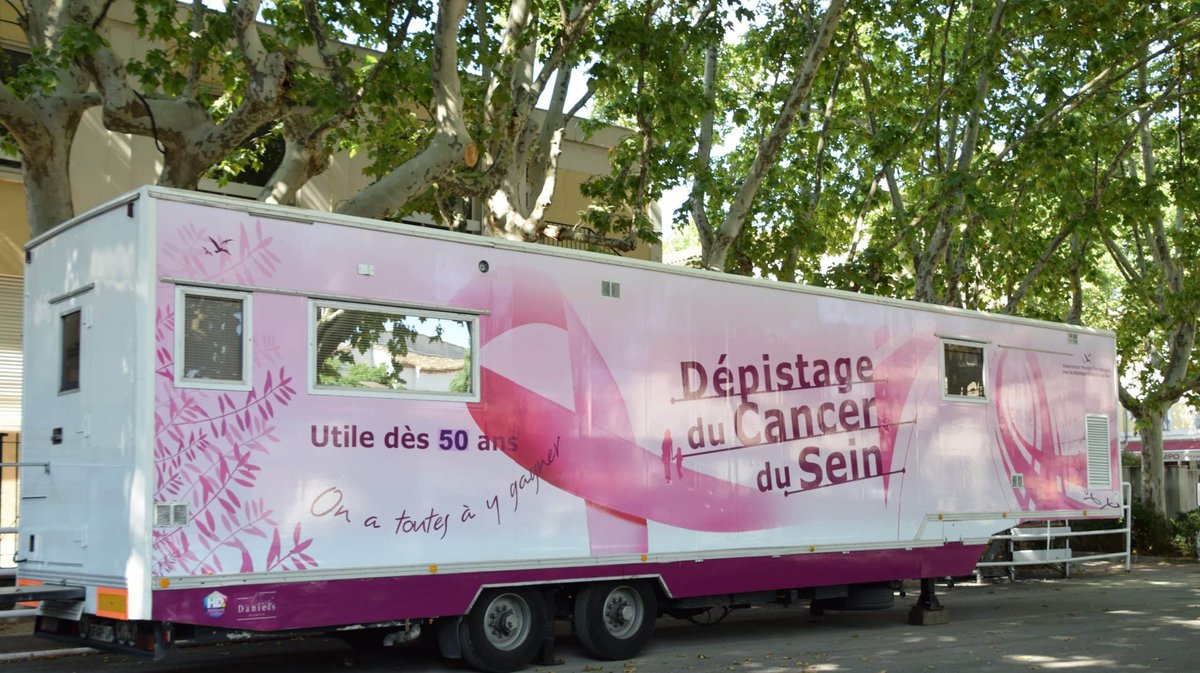
A mobile breast cancer screening unit, known as the Mammobile, has returned to the Gard department in southern France to expand access to early detection services in underserved communities.
Operated by the regional health authority, the initiative brings mammography equipment directly to local communities, including the towns of Panjas and Gondrin, where screening rates have historically lagged behind national averages. According to health officials, the mobile unit will serve approximately 300 women over the next four weeks, with a focus on those aged 50 to 74—the primary age group recommended for regular screening under France’s national cancer prevention program.
Why Mobile Screening Matters in Rural Areas
Breast cancer remains the most commonly diagnosed cancer among French women, with early detection linked to a 90% five-year survival rate when caught at Stage 1, according to the French National Cancer Institute. However, rural areas like Gard face persistent barriers to screening, including limited access to fixed facilities and transportation challenges. The Mammobile addresses these gaps by bringing screening services directly to communities, reducing the need for long-distance travel.
“In regions like Gard, where healthcare infrastructure is more dispersed, mobile units play a critical role in closing the equity gap,” said a spokesperson for the regional health authority. “Our goal is to ensure that no woman is left behind due to geographic or logistical barriers.”
How the Program Works
The Mammobile is equipped with digital mammography technology, allowing for immediate image capture and preliminary analysis on-site. Women who require further evaluation are referred to nearby radiology centers for follow-up. The program operates by appointment, with outreach coordinated through local health centers and community organizations to maximize participation.
According to the regional health authority, the unit will also offer breast health education sessions, addressing common concerns about pain, radiation exposure, and false positives. “Many women avoid screening due to misunderstandings about the process,” the spokesperson noted. “We’re using this opportunity to provide clear, accurate information and reduce fear.”
Broader Context: France’s Screening Program
France’s national breast cancer screening program, launched in 2004, invites women aged 50 to 74 to undergo mammography every two years. Participation rates in Gard have hovered around 60%, below the national average of 68%, according to the latest data from the French Public Health Agency. The Mammobile initiative is part of a broader effort to boost local engagement through targeted outreach and mobile solutions.

Similar programs have been implemented in other French departments, including the Alpes-Maritimes and Haute-Garonne, where mobile units have shown a 15% increase in screening participation among targeted populations. However, experts emphasize that sustained access remains critical—once the Mammobile departs, communities may revert to lower participation rates without ongoing support.
What’s Next for the Program
Health officials have not yet announced whether the Mammobile will return to Gard in future years, but they confirmed that data from this deployment will inform long-term planning. “We’re evaluating the feasibility of expanding mobile units to other underserved areas based on demand and funding,” the spokesperson said. In the meantime, fixed screening centers in the region will continue to operate, with additional outreach efforts scheduled for the coming months.
For women in Gard, the Mammobile offers a rare opportunity to access screening without the usual obstacles. Public health experts stress that regular screening remains the most effective tool for early detection, but access—whether through mobile units or local clinics—must be prioritized to save lives.
