
Asia’s ‘most beautiful island’ sees 51% surge in January-May foreign arrivals – VnExpress International
The tourism landscape of Southeast Asia is witnessing a dramatic shift as Phu Quoc, often hailed as one of the region’s most stunning destinations, reports a massive influx of international visitors. Recent data indicates that Asia’s ‘most beautiful island’ sees 51% surge in January-May foreign arrivals – VnExpress International, marking a significant milestone in the island’s trajectory toward becoming a global tourism powerhouse. This growth is not merely a statistical anomaly but the result of a coordinated effort involving expanded aviation connectivity, a revamped tourism vision, and strategic preparations for high-profile international events.
This surge in arrivals comes at a critical juncture for Vietnam’s tourism sector. As the global travel market stabilizes and diversifies, Phu Quoc is positioning itself as more than just a beach getaway. It’s evolving into a sophisticated hub for luxury, adventure, and international diplomacy. The combination of aggressive flight expansions and a focus on high-value markets is transforming the island’s economic profile, signaling a new era of growth that extends far beyond traditional seasonal peaks.
The Drivers Behind the 51% Growth Spike
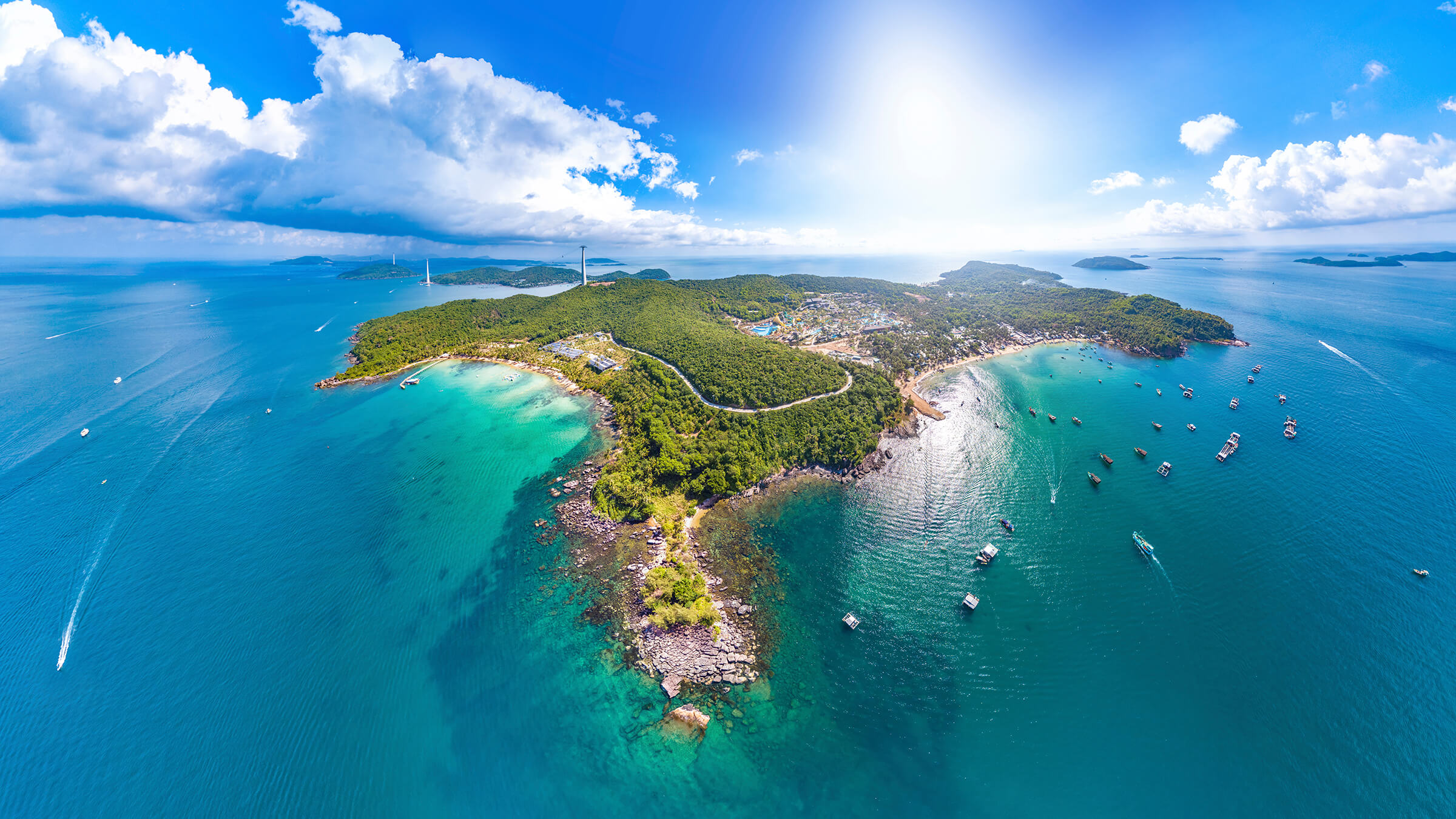
A 51% increase in foreign arrivals within the first five months of the year suggests a powerful convergence of demand and accessibility. While the island’s natural beauty—characterized by white sands and turquoise waters—has always been a draw, the recent spike is attributed to several systemic improvements in how the island reaches the rest of the world.
One of the most prominent catalysts has been the surge in demand from South Korea. South Korean travelers have become a primary engine for Vietnam’s travel growth, with a particular preference for the unique ecosystem and luxury offerings found on Phu Quoc. This demographic shift highlights a broader trend where East Asian markets are increasingly viewing Vietnam as a premier alternative to other regional beach destinations.
However, the growth is not limited to a single region. A diversified portfolio of visitors is now flocking to the island, including tourists from the United States, China, India, Japan, and Australia. This diversification is a strategic win for the local economy, as it reduces reliance on any single market and ensures a more stable flow of visitors throughout the year.
The current trajectory of Phu Quoc suggests a transition from a regional hidden gem to a frontline global destination, driven by a synergy of luxury infrastructure and seamless international access.
Key Market Contributions
- South Korea: Acting as a primary driver of demand, fueling a significant portion of the growth.
- North America: Increased interest from USA tourists seeking exotic, high-end escapes.
- Asia-Pacific: Steady growth from China, India, and Japan, alongside a strong presence of Australian travelers.
Aviation Connectivity: The Engine of Accessibility
The correlation between flight availability and tourist arrivals is absolute. To sustain and accelerate the growth seen in the January-May period, aviation connectivity has been aggressively expanded. The emergence of Sun PhuQuoc Airways has played a pivotal role in this expansion by bridging the gap between the island and major international transit hubs.
A landmark development in this strategy is the launch of a daily route to Singapore. By providing consistent, daily connectivity to one of the world’s busiest aviation hubs, the island has effectively opened its doors to a global audience. Singapore serves as a gateway for travelers from Europe, the Americas, and other parts of Asia, making the journey to Phu Quoc’s tropical beaches and luxury resorts significantly more convenient.
Beyond the Singapore route, the rollout of new international routes and “irresistible flight deals” has lowered the barrier to entry for budget-conscious adventure seekers and luxury travelers alike. These promotional strategies, combined with increased flight frequencies, ensure that the island remains top-of-mind for international trip planners.
| Connectivity Initiative | Strategic Impact | Target Audience |
|---|---|---|
| Daily Singapore Route | Global hub access; reduced transit time | International transit travelers, luxury seekers |
| Expanded International Routes | Diversification of visitor origins | USA, India, Japan, Australia |
| Promotional Flight Deals | Increased affordability and volume | Adventure seekers, youth travelers |
A New Tourism Vision and the Road to APEC 2027
The growth in arrivals is not an accident of timing but a result of a calculated “New Tourism Vision.” This vision moves away from mass tourism and toward a more sustainable, high-value model. The goal is to attract visitors who are interested in “exclusive island escapes,” luxury resorts, and immersive adventure experiences.
Central to this long-term planning is the island’s readiness for APEC 2027. The Asia-Pacific Economic Cooperation (APEC) forum is one of the most prestigious diplomatic events in the world, and hosting it requires a level of infrastructure and service excellence that elevates a destination’s global standing.
The preparations for APEC 2027 are serving as a catalyst for rapid development in several key areas:
Infrastructure and Urban Development
To accommodate world leaders and international delegations, the island is upgrading its hospitality infrastructure. This includes the development of world-class meeting facilities, enhanced transportation networks, and the expansion of luxury accommodation that can meet the stringent requirements of diplomatic missions.
Service Standard Elevation
The “APEC readiness” plan involves a systemic upgrade in service standards. From airport greeting protocols to high-end hospitality management, the island is training its workforce to deliver a level of service that competes with the best destinations in the world.
Global Branding and Positioning
By aligning its tourism vision with a major geopolitical event, Phu Quoc is rebranding itself as a center of diplomacy and luxury. This positioning ensures that the island remains attractive to high-net-worth individuals and business travelers long after the 2027 forum has concluded.
The Role of Sun Group and SITF 2026
Private sector investment has been a cornerstone of the island’s transformation. Sun Group, a major player in Vietnam’s tourism and infrastructure sector, has been instrumental in shaping the island’s current appeal. Their debut at the SITF 2026 (Singapore International Tourism Fair) served as a platform to showcase a fresh vision for Vietnam tourism, specifically focusing on the unique offerings of Phu Quoc.
During the event, Sun Group introduced exclusive flight deals and luxury packages designed to convert interest into actual visits. By integrating aviation (through Sun PhuQuoc Airways) with destination management and resort development, they have created a seamless ecosystem for the traveler. This “end-to-end” approach—where the flight, the stay, and the experience are all curated—is a key reason why the island is seeing such a surge in foreign arrivals.
The focus at SITF 2026 was not just on volume, but on the type of experience being offered. The emphasis on “stunning tropical beaches” and “exclusive island escapes” targets a demographic that prioritizes privacy, luxury, and nature, aligning perfectly with the island’s new strategic direction.
Analyzing the Impact: Why This Matters Now
The fact that Asia’s ‘most beautiful island’ sees 51% surge in January-May foreign arrivals – VnExpress International is a signal of broader economic trends in the Asia-Pacific region. Several factors explain why this growth is happening now and what it means for the future.
The Shift in Travel Preferences
Post-pandemic travel patterns show a strong preference for “destination islands” that offer both safety and luxury. Phu Quoc’s ability to provide a secluded yet high-end experience makes it an ideal choice for travelers looking to escape crowded urban centers.
Economic Diversification
For Vietnam, the growth of Phu Quoc is a vital part of economic diversification. By creating a world-class tourism hub, the country is attracting foreign currency and creating thousands of jobs in the service, aviation, and construction sectors. The influx of tourists from the USA, India, and Australia specifically indicates that Vietnam is successfully expanding its reach beyond its immediate neighbors.
The “Halo Effect” of APEC
Major events like APEC create a “halo effect.” The international media coverage and the arrival of global elites bring an unprecedented level of visibility to a location. The infrastructure built for 2027 will serve as a permanent asset, ensuring that the 51% surge is not a temporary peak but the start of a sustained upward trend.
Related explainer on Vietnam’s evolving visa policies may provide further context on how the government is facilitating this ease of entry for international visitors.
Common Misconceptions About Phu Quoc’s Growth
As the island grows in popularity, several misconceptions have emerged that are worth clarifying:
- Misconception: The growth is solely due to natural beauty.
While the beaches are a primary draw, the surge is actually driven by accessibility. Without the new routes from Sun PhuQuoc Airways and the strategic focus on hubs like Singapore, the natural beauty would remain underutilized. - Misconception: It is only a destination for luxury travelers.
While there is a heavy push toward “exclusive escapes,” the introduction of diverse flight deals and new routes has made the island increasingly accessible to adventure seekers and mid-range tourists. - Misconception: APEC 2027 is only about politics.
In reality, APEC 2027 is a massive urban development project. The “readiness plans” are essentially a blueprint for the island’s modernization, impacting everything from sewage and roads to high-speed internet and luxury hospitality.
Navigating the New Phu Quoc: Insights for Visitors
For international travelers looking to be part of this growing trend, the experience of visiting Phu Quoc has changed significantly. The ease of access via daily flights from Singapore and the proliferation of luxury resorts mean that the island is now more “tourist-ready” than ever before.
Visitors can now expect a blend of raw natural beauty and high-end convenience. The “New Tourism Vision” has resulted in a better integration of adventure activities—such as exploring the island’s jungles and coastlines—with the relaxation of five-star resorts. The focus on APEC 2027 means that the quality of infrastructure is improving rapidly, making the island more navigable for those who are not familiar with the region.
For those planning a trip, the current “flight deals” rolled out by Sun PhuQuoc Airways provide an opportunistic window to visit before the island reaches full capacity as it nears its 2027 milestones.
Quick Guide for International Arrivals
- Best Way to Arrive: Utilize the new daily flights from Singapore for the most seamless experience.
- What to Seek: Balance the “exclusive island escapes” with local adventure activities to get a full sense of the island.
- Timing: While the Jan-May period saw a surge, the island is increasingly becoming a year-round destination due to improved connectivity.
Frequently Asked Questions
Why is Phu Quoc seeing such a large increase in foreign visitors?
The 51% surge is driven by a combination of expanded aviation connectivity—specifically new daily routes to Singapore via Sun PhuQuoc Airways—and a strategic shift toward luxury and adventure tourism. Strong demand from South Korean, American, and Australian markets has played a major role.

What is the significance of APEC 2027 for the island?
Hosting APEC 2027 is a catalyst for massive infrastructure upgrades. It forces the island to elevate its service standards, improve its hospitality offerings, and modernize its transport networks to meet the needs of global leaders, which in turn benefits all international tourists.
Which countries are the primary sources of these new arrivals?
While South Korea is a major driver, there is significant growth in arrivals from the USA, China, India, Japan, and Australia, indicating a successful diversification of the island’s visitor base.
How has Sun Group influenced the island’s tourism?
Sun Group has integrated the travel experience by combining aviation (Sun PhuQuoc Airways) with luxury resort development and strategic marketing at events like SITF 2026. This creates a seamless journey for the traveler, from the flight deal to the final resort stay.
Is Phu Quoc only for luxury travelers?
No. While the “New Tourism Vision” emphasizes luxury and exclusive escapes, the island is also targeting adventure seekers. The introduction of various flight deals and new international routes has made the destination accessible to a wider range of traveler budgets.
