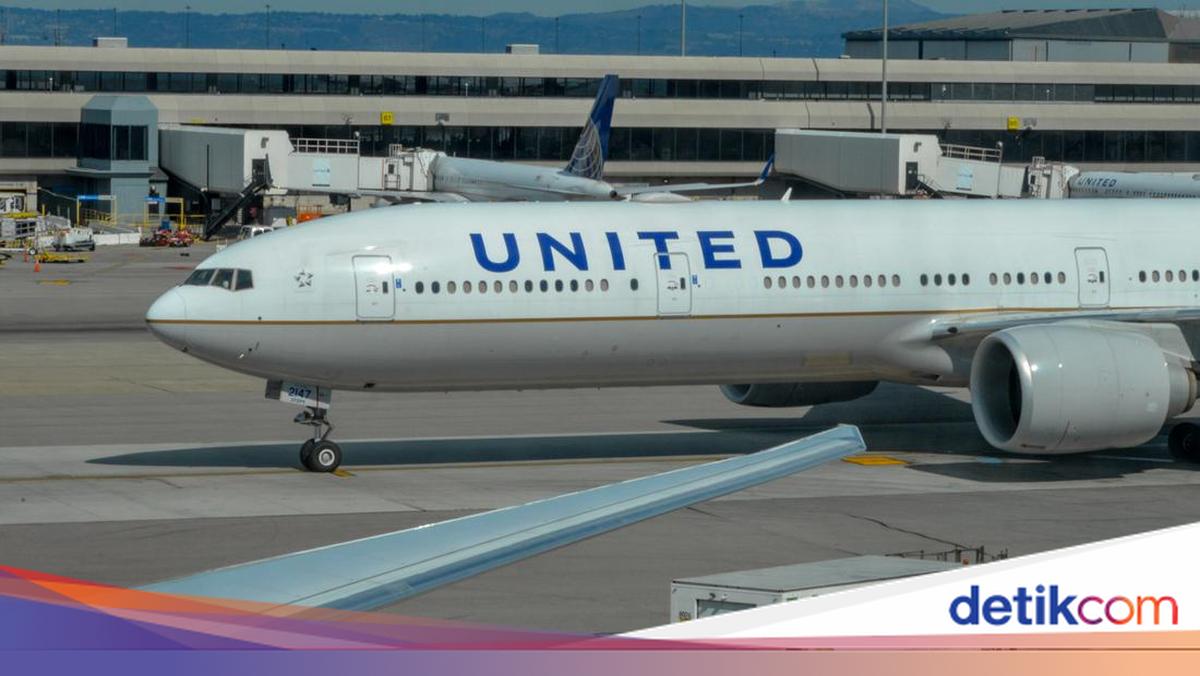
A Boeing-operated flight carrying 202 passengers was forced to return to its departure airport after a technical issue linked to a passenger’s Bluetooth device name triggered safety protocols, according to local media reports. The incident, which occurred on a United Airlines flight en route to Spain, highlights the growing complexities of managing in-flight technology in commercial aviation.
Safety Protocols Under Scrutiny
The aircraft, identified as a Boeing 737 MAX model, diverted to Newark Liberty International Airport after a passenger’s Bluetooth device was reported to have been named in a manner that allegedly interfered with onboard systems. While the exact nature of the device’s configuration remains unclear, the incident has raised questions about the sensitivity of modern aircraft to wireless signals and the adequacy of current safety checks.
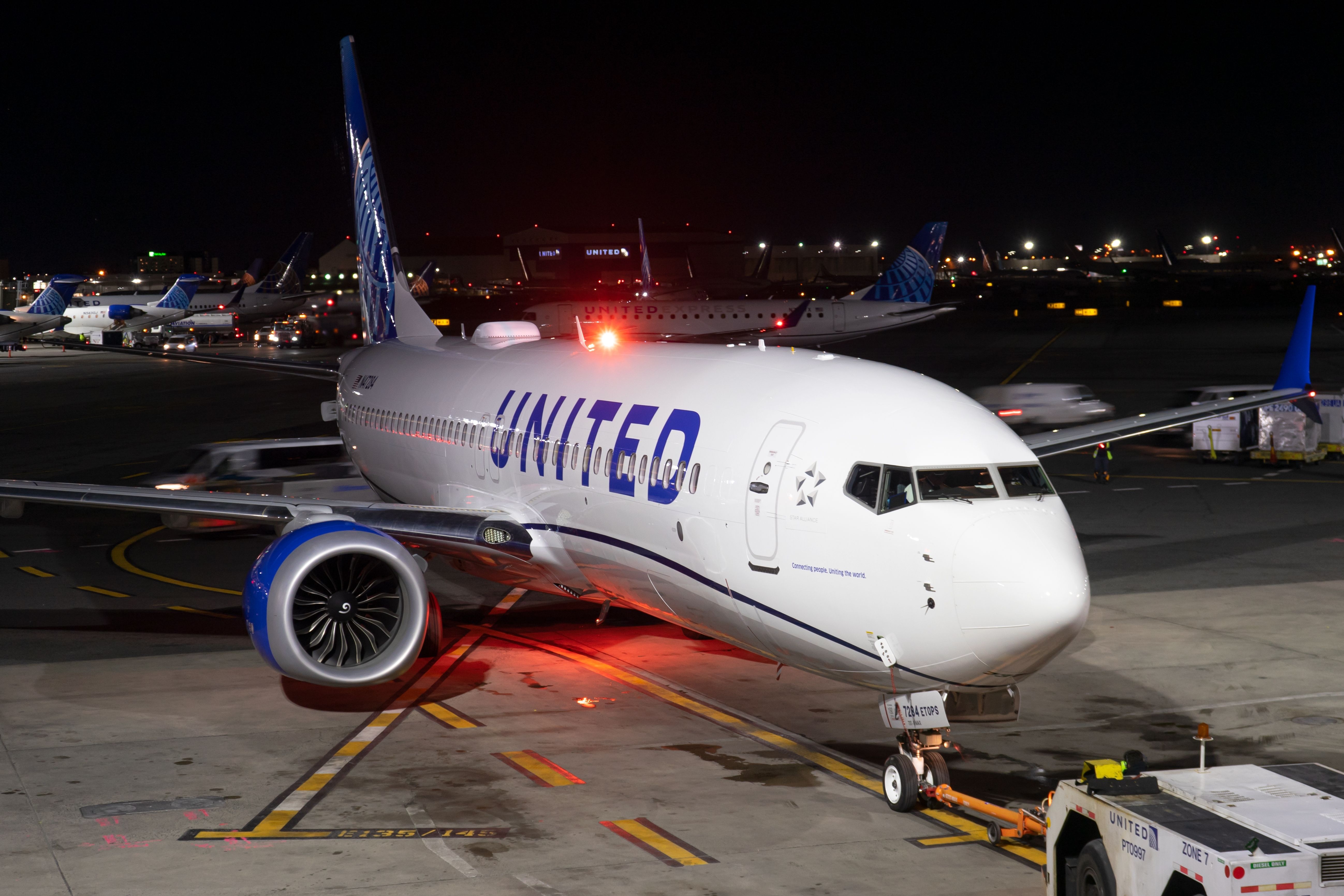
United Airlines confirmed the diversion but did not provide specific details about the cause, stating that the matter was under investigation. No injuries were reported, and all passengers were rebooked on subsequent flights. The airline emphasized its commitment to passenger safety, noting that such incidents are rare and typically resolved without harm.
Technological Challenges in Aviation
The incident underscores the challenges faced by airlines and manufacturers in balancing advanced technology with operational safety. Boeing, which has faced scrutiny in recent years over aircraft design and production delays, has not yet commented publicly on the specific event. However, the company’s recent focus on increasing 737 MAX production rates and enhancing aircraft systems may come under renewed examination.
Aviation experts note that while Bluetooth devices are generally considered low-risk, certain configurations—such as names containing technical terms or symbols—could theoretically interfere with onboard electronics. Regulatory bodies, including the Federal Aviation Administration (FAA), have previously issued guidelines on the use of personal electronic devices, though enforcement remains a gray area.
Broader Implications for the Industry
The event has sparked discussions about the need for stricter oversight of passenger devices and improved communication between airlines and manufacturers. Some analysts suggest that the incident could prompt airlines to revisit their policies on wireless device usage, particularly on long-haul flights where connectivity is more prevalent.
For Boeing, the incident adds to a broader narrative of technological and operational challenges. The company has been navigating production bottlenecks, supply chain disruptions, and regulatory reviews, all of which could be exacerbated by incidents that highlight vulnerabilities in aircraft systems. The outcome of the investigation into this event may influence future design and safety standards.
As the aviation industry continues to integrate more connected technologies, incidents like this serve as a reminder of the delicate balance between innovation and safety. Airlines and regulators will likely need to adapt quickly to ensure that emerging technologies do not compromise the security of air travel.
