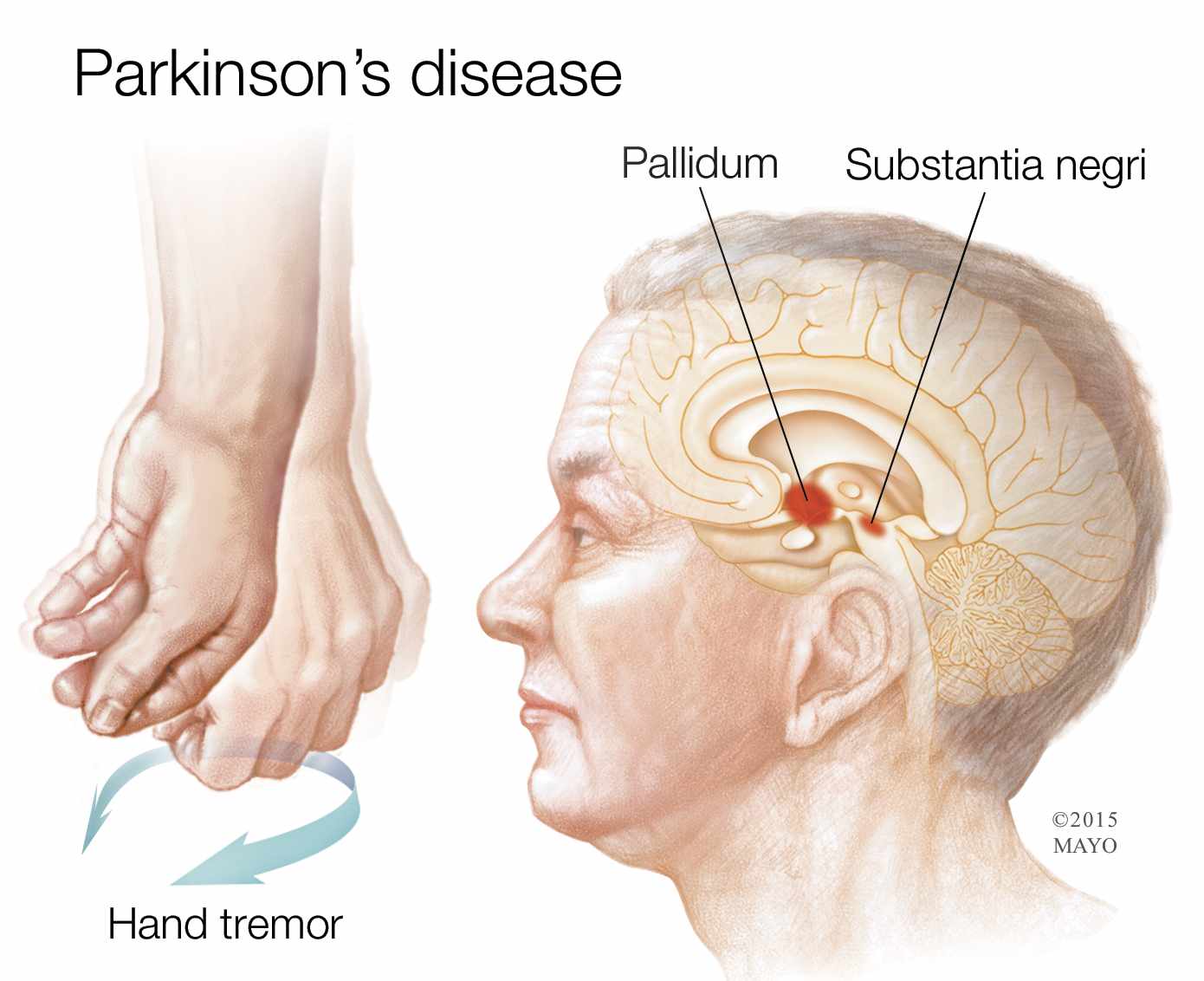
A community initiative in Schagen, Netherlands, is exploring the therapeutic potential of music-based movement programs for individuals living with Parkinson’s disease, according to local health officials. The Parkinson Café, a weekly gathering, combines structured physical activity with musical stimuli to support motor function and social engagement among participants.
What the Initiative Entails
The Parkinson Café, held at a local community center, features guided exercises led by physiotherapists and music therapists. Participants engage in rhythmic movement activities synchronized with live or recorded music, a method supported by preliminary research suggesting that musical cues can enhance motor coordination in neurodegenerative conditions. Attendees also have opportunities to share experiences and receive peer support, emphasizing holistic well-being.
Expert Perspectives
Dr. Liesje van den Berg, a neurologist specializing in movement disorders, noted that while the program is not a substitute for clinical treatment, it aligns with emerging evidence on the benefits of non-pharmacological interventions. “Music can activate neural pathways associated with motor control and emotional regulation,” she said. “This approach may offer a complementary strategy for managing symptoms.”
Participants reported improved balance and reduced stiffness following regular attendance, though no formal clinical trials have been conducted to quantify outcomes. Organizers emphasize that the café is a volunteer-driven effort and not affiliated with medical institutions.
Limitations and Next Steps
Researchers caution that the long-term efficacy of music-based movement programs remains understudied. A 2022 review in the Journal of Neurology highlighted the need for randomized controlled trials to establish causality between such interventions and symptom relief. Current data relies largely on anecdotal reports and small-scale observational studies.
Organizers plan to collaborate with local universities to evaluate the program’s impact through standardized assessments. A pilot study is scheduled to begin in early 2024, focusing on gait stability and quality-of-life metrics among 50 participants.
What This Means for Parkinson’s Care
The initiative reflects a growing trend in patient-centered care models that integrate creative therapies alongside traditional treatments. While no evidence supports music as a standalone therapy, experts agree that multimodal approaches—combining medication, physical therapy, and psychosocial support—offer the most promising outcomes.
Health authorities in the Netherlands have not yet issued formal guidance on music-based interventions, but they acknowledge the importance of community-driven solutions in addressing the diverse needs of Parkinson’s patients.
