
A Global World Cup Tradition Catches Fire in the U.S.: Panini Sticker Collecting – NPR
For decades, the lead-up to the FIFA World Cup has been defined by a specific, tactile ritual across Europe, South America, and Africa: the frantic tearing of foil packets and the meticulous placement of adhesive images into oversized albums. Now, this global phenomenon is experiencing a surge in popularity across North America. As the world prepares for the upcoming tournament, a global World Cup tradition catches fire in the U.S.: Panini sticker collecting – NPR and other observers have noted a shift in how American sports fans engage with the “beautiful game.”
What was once a niche hobby for die-hard soccer enthusiasts in the States has transformed into a mainstream obsession. The allure lies not just in the ownership of the stickers, but in the social economy of the trade. From living rooms to public squares, the quest to complete a full collection is driving a new wave of fandom, blending the nostalgia of traditional card collecting with the high-stakes excitement of the world’s most prestigious sporting event.
The Anatomy of a Global Obsession
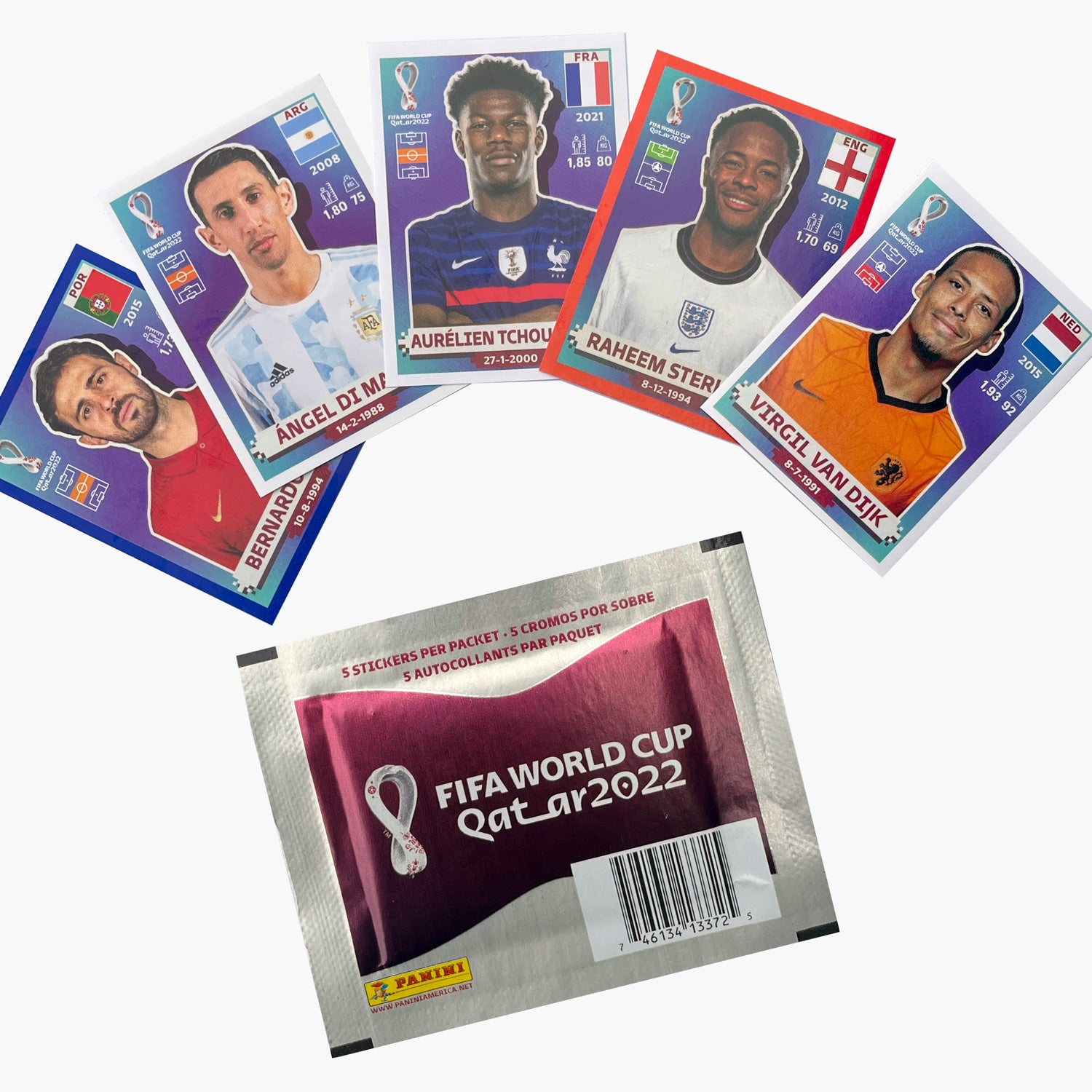
At its core, Panini sticker collecting is more than a hobby; it is a social catalyst. The process begins with the purchase of randomized packs, each containing a handful of stickers featuring players from qualifying nations. The inherent randomness of these packs ensures that duplicates are inevitable, which is where the true heart of the tradition lies: the swap.
The “obsession” mentioned by many collectors stems from the completionist drive. The psychological reward of filling a blank space in an album creates a powerful incentive, turning casual viewers into students of the game. To trade effectively, collectors must learn the names, positions, and nationalities of players they might otherwise never have encountered, effectively educating a new generation of fans on the global landscape of soccer.
The Psychology of the Trade
- The Thrill of the Hunt: The uncertainty of each pack creates a gambling-like excitement, where the “hit” is a rare player or a much-needed missing piece.
- Social Connectivity: Trading requires interaction. It forces collectors to engage with strangers, friends, and family, creating a community bonded by a shared goal.
- Tactile Engagement: In an increasingly digital world, the physical act of peeling and sticking offers a sensory satisfaction that digital collectibles cannot replicate.
The American Shift: Why Now?
The sudden acceleration of sticker collecting in the United States is not an accident. It is the result of a perfect storm of cultural alignment and the looming presence of the World Cup. As the U.S. Becomes more integrated into the global soccer community, the infrastructure for this kind of fandom has matured.

The American sports market has a long history of card collecting, primarily through baseball and basketball. However, the Panini World Cup tradition differs because it is tied to a specific, time-limited event. This creates a sense of urgency that drives demand. The current trend suggests that American fans are no longer content with just watching the matches; they want a tangible connection to the tournament’s narrative.
“The quest for a complete album mirrors the tournament itself—full of unpredictability, strategic moves, and the pursuit of a crowning achievement.”
High-Profile Influence and the “Magic Play”
The growth of this culture is being bolstered by unexpected ambassadors. In a notable intersection of American sporting royalty and global soccer, Giants legend Eli Manning has emerged as a figure boosting World Cup fandom. Manning’s involvement signals a bridge between the traditional American sports establishment and the rising tide of soccer popularity.
Manning has not only embraced the excitement surrounding the event but has also offered insights into the competitive nature of the tournament. When discussing the potential winners, he has pointed toward the possibility of a “long shot” taking home the trophy. According to Manning, the volatility of the World Cup allows for unexpected outcomes, noting that “you just need a magic play” to shift the momentum of the entire competition.
This perspective resonates deeply with the sticker-collecting community. Just as a single “magic” pack can provide the one rare sticker needed to complete an album, a single moment of brilliance on the pitch can elevate an underdog to global glory. The parallel between the collector’s journey and the athlete’s journey further embeds the hobby into the emotional fabric of the tournament.
International Benchmarks: The Chilean Model
To understand the potential scale of this trend in the U.S., one only needs to look at the fervor in South America. In Chile, the passion for collecting reaches a fever pitch, transforming public spaces into hubs of commerce and community. A prime example of this is the “Great WC 2026 Sticker Swap,” where stadiums have been turned into paradises for collectors.
These massive swap events are not merely markets; they are cultural festivals. Thousands of people gather with their albums spread across tables, negotiating trades with a level of intensity usually reserved for the matches themselves. The Chilean experience demonstrates that when sticker collecting reaches a critical mass, it ceases to be a private hobby and becomes a public celebration of national and international identity.
| Feature | Casual Collecting | The “Obsession” Level |
|---|---|---|
| Goal | Collecting favorite players | Completing the entire album |
| Method | Occasional pack purchases | Strategic trading and bulk buying |
| Social Interaction | Limited to close friends | Participation in massive public swaps |
| Knowledge Base | Aware of star players | Deep knowledge of squad rosters |
A Practical Guide: How to Get Started
For those looking to enter the fray, the process of acquiring Panini World Cup stickers is straightforward, though the path to completion is arduous. The journey typically begins at retail outlets, where official packs are sold. However, the most successful collectors know that buying packs alone is rarely enough to finish an album due to the high probability of duplicates.
Steps to Building a Collection
- Acquire the Official Album: This serves as the map for your journey, outlining every player and team required for completion.
- Start with Base Packs: Purchase initial packs to establish a foundation and identify which players you are missing.
- Identify Your “Doubles”: Keep a clear record of your duplicate stickers. These are your currency for trading.
- Enter the Trading Circuit: Seek out local swap meets, online forums, or community groups to trade your doubles for your needs.
- Target the Rares: Some players are printed less frequently than others. These “hard-to-find” stickers often require multiple trades to acquire.
For those struggling to find specific players, some collectors turn to specialized marketplaces, though the spirit of the tradition is most purely felt during a face-to-face trade.
The Broader Impact on Soccer Fandom
The rise of sticker collecting is doing more than just selling paper; it is fundamentally altering the way new fans interact with the sport. By gamifying the process of learning about the teams, Panini has created an entry point for people who may have previously found the complexity of global soccer rosters intimidating.
When a collector spends an afternoon trading for a specific midfielder from a mid-tier qualifying nation, they develop an emotional investment in that player’s performance. This leads to increased viewership and a deeper appreciation for the tactical diversity of the game. The sticker album acts as a primer for the World Cup, ensuring that by the time the first whistle blows, the fans are already invested in the players’ stories.
Key Points of the Phenomenon
- Educational Value: Collectors learn the geography and rosters of global soccer.
- Community Building: The “swap” culture creates new social bonds across different demographics.
- Commercial Growth: The trend signals a growing appetite for soccer-related merchandise in the U.S. Market.
- Emotional Investment: The struggle to complete the album mirrors the drama of the tournament.
As the tournament approaches, the tension between the desire for completion and the randomness of the packs will only increase. The “obsession” is a testament to the enduring power of physical collectibles in a digital age and the universal appeal of the World Cup.
Frequently Asked Questions
What is the main goal of Panini World Cup sticker collecting?
The primary objective is to fill an official tournament album by collecting every single sticker featuring the players and teams participating in the World Cup. Because packs are randomized, collectors must trade duplicates with others to complete their sets.
Why is sticker collecting becoming popular in the United States?
The trend is growing due to an increase in general soccer fandom in the U.S., the influence of sports figures, and the proximity of the World Cup. It appeals to the American tradition of sports card collecting while adding a global, event-driven urgency.
How do “sticker swaps” work?
Sticker swaps are organized events where collectors meet to trade their duplicate stickers. These can range from small gatherings of friends to massive stadium events, like those seen in Chile, where hundreds of people negotiate trades to find the specific stickers they need.
Can you complete an album just by buying packs?
While theoretically possible, it is extremely difficult and expensive to complete an album solely through pack purchases due to the high number of duplicates. Trading is considered an essential part of the process and the tradition.
Who is Eli Manning in relation to this trend?
Eli Manning, a legendary NFL figure, has helped boost the visibility of World Cup fandom in the U.S. He has shared his excitement for the tournament and discussed the unpredictable nature of the competition, noting that a “long shot” can win with a “magic play.”
For those interested in how this trend fits into the larger landscape of American sports, you might find a related explainer on the growth of soccer in North America useful for further context.
