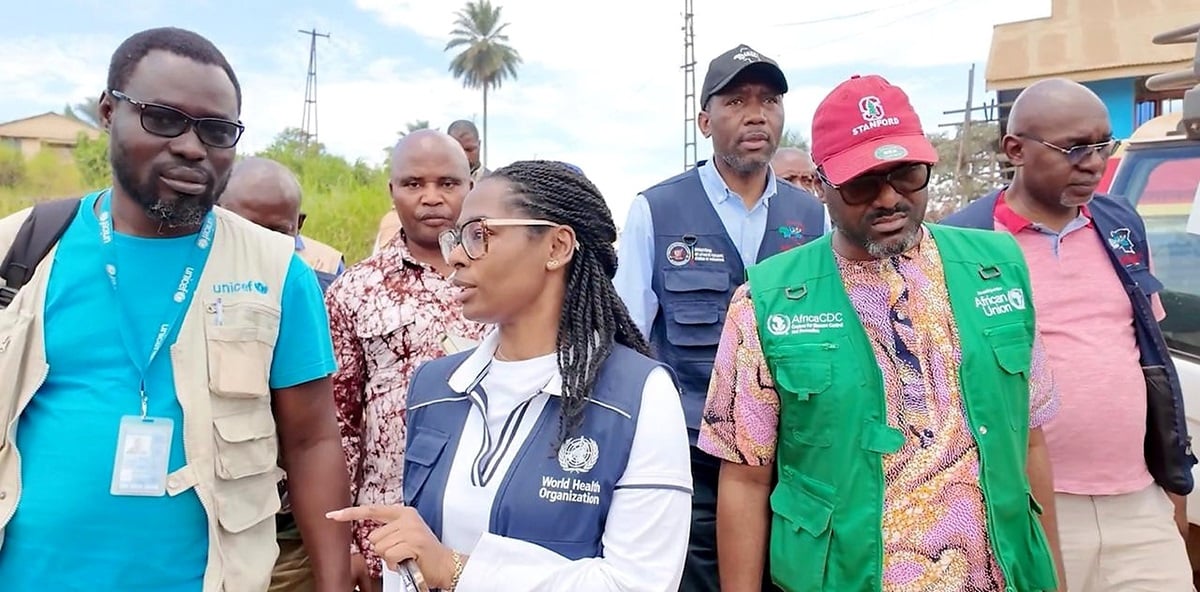
Africa CDC and WHO Launch Joint Continental Ebola Response Plan to Combat Bundibugyo Outbreak
In a decisive move to contain a burgeoning health crisis, the Africa Centres for Disease Control and Prevention (Africa CDC) and the World Health Organization (WHO) have announced the launch of a joint continental Ebola response plan. This strategic partnership arrives as the region grapples with a multi-country Bundibugyo Ebola Virus Disease outbreak, signaling a shift toward a more integrated, African-led approach to pandemic management supported by global health expertise.
The initiative is anchored by a substantial financial commitment, with the WHO announcing a $518 million six-month plan specifically designed to fight the current Ebola surge. By aligning the resources of the Africa CDC—the continent’s primary public health agency—with the global mandate of the WHO, the joint response aims to synchronize surveillance, accelerate vaccine deployment, and standardize treatment protocols across affected borders.
This coordinated effort is particularly critical given the complexities of the current outbreak. While recent reports from the Democratic Republic of Congo (DRC) suggest a decline in active case numbers, health experts warn that the situation remains precarious. The “Bundibugyo” strain of the virus presents unique challenges, and the multi-country nature of the spread requires a level of diplomatic and logistical coordination that transcends national boundaries.
The Strategic Framework of the Joint Continental Response
The launch of the Africa CDC and WHO joint continental Ebola response plan represents more than just a funding agreement; it is a structural evolution in how the continent handles Viral Hemorrhagic Fevers (VHFs). Historically, Ebola responses have often been fragmented, with different international NGOs and national governments employing varying strategies. This new plan seeks to eliminate those silos.
The core objective of the joint plan is to create a unified command structure. By leveraging the Africa CDC’s regional influence and the WHO’s technical standards, the response focuses on several high-priority pillars:
- Unified Epidemiological Surveillance: Establishing a shared data pipeline to track the movement of the virus in real-time across borders, reducing the lag between infection and isolation.
- Rapid Resource Mobilization: Utilizing the $518 million allocation to ensure that Personal Protective Equipment (PPE), diagnostic kits, and therapeutic interventions are prepositioned in high-risk zones.
- Cross-Border Coordination: Creating “health corridors” where screening and monitoring are synchronized between neighboring countries to prevent the virus from hitchhiking across porous borders.
- Community-Centric Engagement: Moving away from top-down mandates toward community-led containment strategies that respect local customs while ensuring safety.
The synergy between the Africa CDC and the WHO ensures that the response is not only globally informed but locally driven, addressing the specific socio-political landscape of the affected regions.
Analyzing the $518 Million Six-Month Emergency Plan
The scale of the WHO’s $518 million commitment underscores the perceived risk of the Bundibugyo outbreak. This funding is not merely for the treatment of the sick, but for the aggressive prevention of a wider pandemic. A six-month window is a critical timeframe in epidemiology; it is often the period during which an outbreak either reaches a tipping point of containment or spirals into a systemic crisis.

While the specific line-item allocations are managed through strict health protocols, such funding typically targets the most volatile aspects of an Ebola response. The financial injection is expected to bolster the following areas:
| Priority Area | Strategic Focus | Expected Outcome |
|---|---|---|
| Vaccination Campaigns | Ring vaccination around confirmed cases. | Creation of “immunity buffers” to stop transmission chains. |
| Laboratory Capacity | Deployment of mobile testing units. | Faster turnaround for case confirmation, reducing “blind spots.” |
| Healthcare Worker Support | Training, PPE, and hazard pay for frontline staff. | Reduction in nosocomial (hospital-acquired) infections. |
| Safe Burial Practices | Community-led, dignified, and safe burials. | Elimination of one of the primary drivers of Ebola transmission. |
The urgency of this funding is highlighted by the IOM’s Situation Report No. 3, which covered the period from May 26 to June 2, 2026. The report emphasizes the multi-country nature of the Bundibugyo outbreak, suggesting that the virus is not contained within a single jurisdiction, thereby justifying a continental rather than a national response.
The Paradox of Progress in the Democratic Republic of Congo
Current data from the Democratic Republic of Congo (DRC) presents a confusing picture for policymakers. On one hand, there are signs of hope: case numbers are dropping, and several high-profile recoveries have been documented. Global health observers insist that these figures are deceptive.
The “dropping numbers” narrative is often a double-edged sword in Ebola outbreaks for several reasons:
The Risk of Premature Complacency
When case numbers decline, there is a natural tendency for both the public and the government to lower their guard. However, Ebola is known for its ability to persist in “reservoirs”—both in animal populations and in human survivors. A drop in active cases does not necessarily mean the virus has been eradicated from the environment.
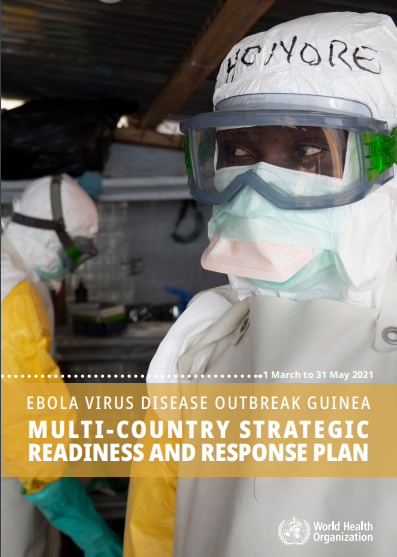
The Challenge of “Hidden” Cases
In many affected regions, fear of stigmatization or distrust of medical facilities leads families to hide sick relatives or conduct secret burials. The official drop in case numbers may reflect a decrease in reporting rather than a decrease in infection.
The Complexity of the Bundibugyo Strain
The Bundibugyo strain, while sometimes associated with lower fatality rates than the Zaire strain, still poses a massive threat to health systems. The complexity lies in the diagnostic overlap with other endemic diseases, meaning that early-stage Ebola can be mistaken for malaria or typhoid, allowing the virus to spread undetected for days.
For those interested in how these trends compare to previous outbreaks, a related explainer on Ebola strain variations provides deeper context on the biological differences between viral lineages.
Frontline Resilience: The Human Cost of Containment
Amidst the high-level policy discussions and multi-million dollar budgets, the actual battle is fought by healthcare workers. A poignant example of this resilience is seen in the stories of four Congolese nurses who recently overcame the outbreak. Their recovery is being hailed by global health chiefs as a symbol of progress and a testament to the efficacy of current treatment protocols.
The experience of these nurses highlights three critical aspects of the current crisis:
- The Danger of Nosocomial Transmission: Nurses are at the highest risk of infection. The fact that these women survived underscores the importance of the strict PPE and isolation protocols being pushed by the Africa CDC and WHO.
- The Psychological Toll: Surviving Ebola is not just a physical victory; it is a psychological one. Survivors often face significant social stigma, which the joint response plan aims to combat through community reintegration programs.
- The Value of Survivor Knowledge: Recovered healthcare workers become invaluable assets. They possess firsthand knowledge of the virus’s progression and the emotional needs of patients, making them the most effective advocates for vaccine uptake and safe practices.
Broader Implications for Continental Health Security
The launch of the Africa CDC and WHO joint continental Ebola response plan is a bellwether for the future of global health. For decades, the “global north” has led the response to African health crises. This new model suggests a transition toward health sovereignty.
By placing the Africa CDC at the center of the response, the continent is asserting its ability to manage its own crises, using the WHO as a partner rather than a director. This shift is essential for several reasons:
- Sustainability: Localized response systems are more sustainable than those dependent on the rotating interests of foreign aid agencies.
- Trust: Local health officials often have deeper trust within their communities than international teams, which is vital for overcoming vaccine hesitancy.
- Speed: A continental plan allows for the rapid movement of resources across borders without the bureaucratic delays associated with international treaty negotiations.
However, the success of this plan depends on continued funding and political will. The $518 million is a start, but the long-term goal is the creation of permanent, high-capacity diagnostic and treatment centers across the continent to ensure that the next outbreak is contained in days, not months.
Frequently Asked Questions
What is the Bundibugyo Ebola Virus Disease?
Bundibugyo is one of the several species of the Ebola virus. While it generally has a lower case-fatality rate compared to the Zaire Ebola virus, it remains a deadly pathogen that causes severe hemorrhagic fever and requires intensive medical intervention and strict isolation to prevent spread.
Why is the Africa CDC and WHO partnering for this response?
The partnership combines the Africa CDC’s regional authority and community access with the WHO’s global technical expertise and funding capabilities. This ensures the response is both scientifically sound and culturally appropriate for the African context.
What does the $518 million funding cover?
The funds are allocated for a six-month emergency period. Primary uses include the procurement and distribution of vaccines, the deployment of mobile laboratories for faster testing, the provision of PPE for healthcare workers, and the implementation of safe and dignified burial protocols.
Why are health officials concerned even though cases are dropping in the DRC?
Dropping numbers can lead to premature complacency. Experts are concerned about “hidden” cases that go unreported due to stigma, as well as the potential for the virus to persist in survivors or animal reservoirs, which could trigger new waves of infection.
How does a “continental plan” differ from a “national plan”?
A national plan focuses on the borders of a single country. A continental plan, like the one launched by Africa CDC and WHO, synchronizes efforts across multiple countries. This represents crucial for Ebola because the virus does not respect national borders, and an outbreak in one country is a threat to the entire region.
The current trajectory of the Bundibugyo outbreak will depend heavily on the speed at which the joint continental response plan is operationalized. With $518 million on the table and a unified command structure in place, the goal is no longer just to manage the outbreak, but to end it decisively while building a more resilient health infrastructure for the future.
