
The intersection of artificial intelligence and global health security is shifting as OpenAI moves toward a role in pandemic surveillance, coinciding with renewed calls for stringent border controls in Europe to mitigate viral threats.
Key Points
- OpenAI is expanding its utility to include the monitoring of potential pandemics.
- Italian Prime Minister Giorgia Meloni has urged increased border vigilance in response to Ebola risks.
- The development highlights a growing trend of integrating AI into public health infrastructure and national security protocols.
AI Integration in Global Health Surveillance
The move by OpenAI to monitor pandemics represents a strategic expansion of generative AI into the realm of predictive health analytics. By leveraging vast datasets to identify patterns and early warning signs of outbreaks, the company is positioning its technology as a critical tool for global health stability. This shift reflects a broader economic trend where AI firms are moving beyond consumer productivity tools and into high-stakes infrastructure and government-adjacent services.
National Security and Border Policy
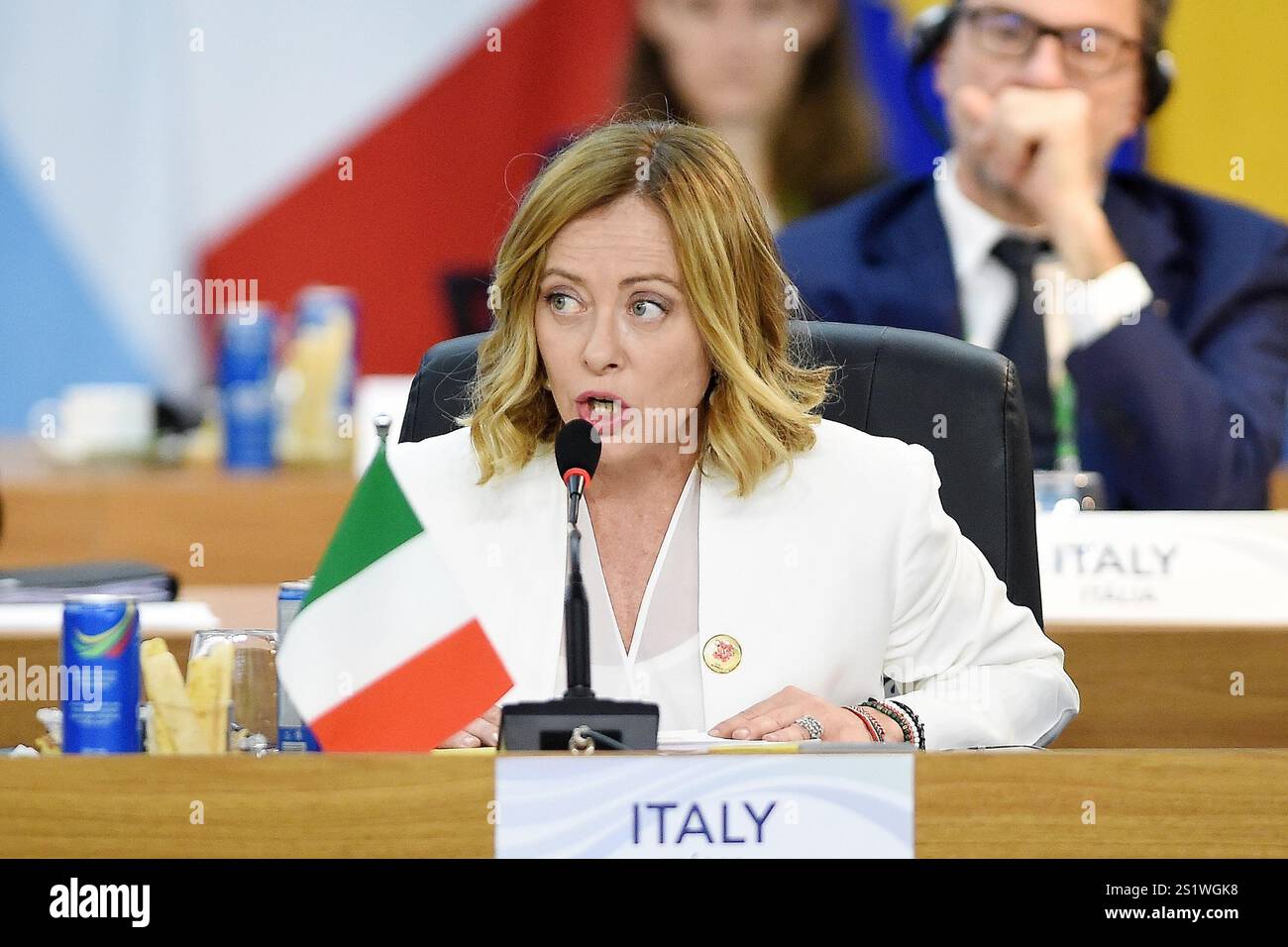
While technology firms scale their surveillance capabilities, European policymakers are focusing on physical security. Italian Prime Minister Giorgia Meloni has raised alarms regarding the threat of Ebola, emphasizing the necessity of tighter oversight at national entry points.
Bisogna controllare le frontiere
Giorgia Meloni
The call to control the borders
underscores the tension between the open movement of people and goods—essential for economic growth—and the imperative of biosecurity. For businesses and markets, such policy shifts often signal potential disruptions in travel, logistics and labor migration if border restrictions are formalized.
Economic and Practical Implications
The convergence of AI-driven surveillance and strict border policies suggests a future where public health management is increasingly automated and data-dependent. For the healthcare and tech sectors, this opens new avenues for public-private partnerships. However, for the broader economy, the emphasis on border control in the face of health crises can lead to increased operational costs for international trade and a heightened reliance on digital monitoring systems to maintain the flow of commerce.
