
Oil Prices Fall on US, Iran Deal Announcement – Axios and Global Market Impacts
Oil prices dropped more than 4% after the U.S. and Iran reached a peace deal and agreed to reopen the Strait of Hormuz, according to Reuters. The announcement caused Brent crude to fall below $90 per barrel, as reported by The Globe and Mail, while Bloomberg noted the agreement has triggered significant movements across global financial markets.
Why did oil prices drop following the US-Iran peace deal?
Crude oil prices plummeted because the announcement of a diplomatic resolution between the U.S. and Iran removed a significant “geopolitical risk premium” from the market. According to The Guardian, prices fell sharply after Donald Trump claimed he was close to securing a deal with Tehran. In commodity trading, prices often spike when there is a threat of supply disruption; conversely, they drop when stability returns.
The price decline is a direct reaction to the perceived increase in global oil supply security. When the U.S. and Iran move toward peace, the likelihood of sanctions being lifted or Iranian oil returning to the global market increases. Reuters specifically reported a slip of over 4% in prices, signaling that traders are betting on a more stable and abundant supply of crude.
Key factors driving the price drop include:
- Reduction in Conflict Risk: The peace deal lowers the probability of military escalation in the Persian Gulf.
- Supply Expectations: Markets anticipate that a diplomatic thaw could lead to the easing of oil export restrictions on Iran.
- Market Sentiment: Rapid selling occurred as investors reacted to the news of the deal’s proximity, as noted by The Guardian.
What is the significance of reopening the Strait of Hormuz?
The reopening of the Strait of Hormuz is a central component of the peace deal and a primary driver of the current price collapse. According to Reuters, the agreement specifically addresses the reopening of this waterway, which is the world’s most important oil transit chokepoint.
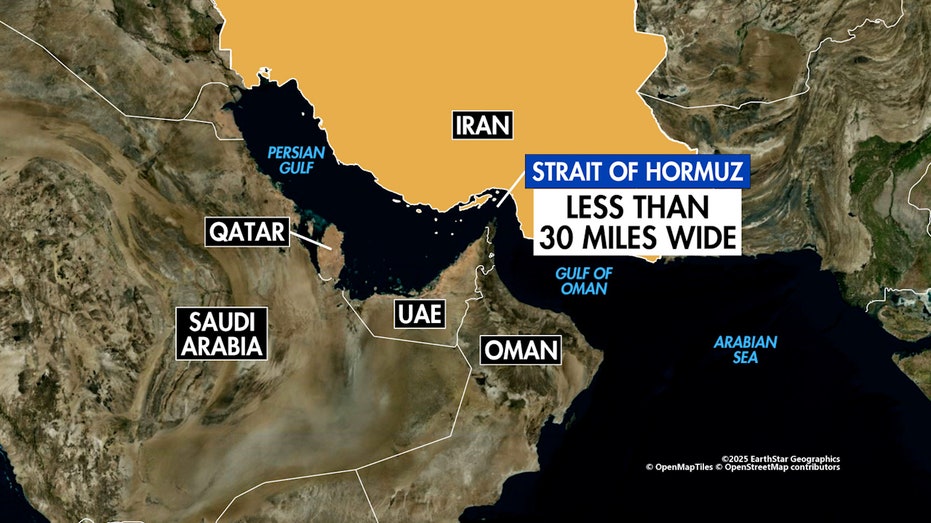
The Strait of Hormuz connects the Persian Gulf with the Gulf of Oman and the Arabian Sea. A massive portion of the world’s total oil consumption passes through this narrow corridor. When the Strait is threatened or closed, the global energy supply is placed at immediate risk, which typically sends oil prices skyrocketing. By securing the reopening of the Strait, the U.S. and Iran have effectively removed the most immediate threat to global energy transit.
“Oil slips over 4% after US, Iran reach peace deal, reopen Strait of Hormuz,” Reuters reported, highlighting the direct link between maritime access and commodity pricing.
For a deeper look at how maritime bottlenecks affect energy, see this related explainer on oil price volatility.
The Strategic Importance of the Strait
To understand why the market reacted so violently to this news, one must look at the volume of trade involved. The Strait of Hormuz is the only sea passage from the Persian Gulf to the open ocean. Most of the oil from Saudi Arabia, Iraq, the UAE, Kuwait, and Iran must pass through this point. Any instability here creates a “bottleneck effect,” where the fear of a blockage causes prices to rise even before a physical shortage occurs.
How are global markets and oil stocks reacting?
The impact of the US-Iran peace deal extends beyond raw crude prices into the broader financial sector. Bloomberg reported that the deal is moving global markets, as investors recalibrate their portfolios based on a lower-inflation, lower-energy-cost environment.
The Globe and Mail specifically highlighted the implications for oil stocks. As Brent crude fell below the $90 threshold, shares in energy companies—particularly those focused on exploration and production—faced downward pressure. When the price of the underlying commodity drops, the profit margins for oil producers shrink, making their stocks less attractive to investors.
The market reaction can be broken down into three main categories:
| Market Segment | Immediate Reaction | Primary Driver |
|---|---|---|
| Crude Oil (Brent) | Dropped below $90/barrel | Removal of supply disruption risk |
| Energy Stocks | Downward pressure | Lower expected profit margins per barrel |
| Global Equities | General volatility/movement | Shift in geopolitical risk assessment |
Investors are now weighing the benefits of lower energy costs—which generally help transport and manufacturing sectors—against the losses in the energy sector. Bloomberg’s reporting suggests that the “peace dividend” is being priced into the market in real-time.
What are the geopolitical drivers behind the US-Iran agreement?
The sudden shift toward a peace deal comes after a period of intense tension. The Guardian reported that the current price plummet followed claims by Donald Trump that he was “close” to a deal. This suggests a shift in U.S. strategy toward diplomatic resolution rather than maximum pressure.
The drivers for this agreement likely include a mutual desire for economic stability. Iran has faced severe economic hardship due to sanctions, while the U.S. has an interest in preventing a full-scale war that would disrupt global trade and spike inflation. The agreement to reopen the Strait of Hormuz serves as a tangible “good faith” gesture that provides immediate relief to the global economy.
The transition from conflict to diplomacy typically follows a specific pattern in the oil market:
- Speculative Spike: Prices rise due to threats of war or closures (e.g., threats to the Strait of Hormuz).
- Diplomatic Signal: A leader or official claims a deal is close (e.g., Trump’s announcement reported by The Guardian).
- Rapid Correction: Traders sell off “long” positions in anticipation of lower prices.
- Stabilization: Prices find a new floor based on actual supply and demand rather than fear.
For more on the regional dynamics, read this analysis of Middle East maritime security.
Understanding the impact of geopolitical risk premiums on crude oil
The phrase “oil prices fall on US, Iran deal announcement – Axios” describes a classic correction of a geopolitical risk premium. A risk premium is an additional cost added to the price of a commodity to account for the possibility of a supply shock. When the U.S. and Iran announce a peace deal, that premium evaporates.
In this instance, the market had priced in the possibility that the Strait of Hormuz could be closed or that Iranian oil would remain off the market indefinitely. Once the peace deal was announced, those risks were removed. The 4% drop reported by Reuters is not necessarily a reflection of a drop in the actual demand for oil, but rather a removal of the fear of shortage.
Comparison of Media Framing
Different news outlets have emphasized different angles of this story, providing a broader picture of the event:
- Reuters focused on the quantitative impact, noting the “over 4%” slip and the specific action of reopening the Strait of Hormuz.
- The Globe and Mail focused on the financial threshold, highlighting the drop of Brent crude below $90 and the subsequent effect on oil stocks.
- The Guardian highlighted the political catalyst, attributing the plummet to Donald Trump’s claims regarding the proximity of a deal.
- Bloomberg took a macro-economic view, reporting on how the deal is shifting broader global markets.
Common misconceptions about oil price drops
A common mistake is assuming that a drop in oil prices always means the economy is slowing down. In this case, the opposite is true. The price drop is a result of increased stability. When prices fall because of a peace deal, it is often seen as a positive for the global economy because it lowers the cost of fuel and transportation, which can help lower inflation.
Another misconception is that a “peace deal” immediately increases the amount of oil in the pipes. In reality, the price drops before the oil actually arrives. Markets are forward-looking; they trade on what they expect to happen in the next 30 to 90 days. The moment the announcement was made, traders adjusted their expectations, causing the “plummet” described by The Guardian.
Key Summary of the Event
- The Event: U.S. and Iran announce a peace deal.
- The Action: Reopening of the Strait of Hormuz.
- The Price Action: Brent crude falls below $90; prices slip over 4%.
- The Market Driver: Removal of the geopolitical risk premium.
- The Beneficiaries: Global transport, manufacturing, and consumers.
- The Losers: Short-term oil stock holders and producers.
Frequently Asked Questions
Why does a peace deal between the US and Iran lower oil prices?
Peace deals reduce the risk of war and supply disruptions. According to Reuters and The Guardian, the announcement of a deal removes the “risk premium” that traders add to prices when they fear a conflict might cut off oil supplies.
What is the Strait of Hormuz and why does it matter?
The Strait of Hormuz is a narrow waterway that serves as the primary exit point for oil from the Persian Gulf. Because so much of the world’s oil passes through it, any threat to close it—as discussed in the Reuters report—causes global oil prices to spike.

How does the drop in oil prices affect the stock market?
The impact is mixed. As reported by The Globe and Mail, oil stocks often fall because lower crude prices reduce producer profits. However, Bloomberg notes that global markets generally react to the increased stability, which can benefit non-energy sectors by lowering operating costs.
What is Brent Crude and why is it the benchmark?
Brent Crude is a major trading classification of sweet light crude oil that serves as a leading global pricing benchmark for oil priced other than That of North America’s West Texas Intermediate (WTI). The Globe and Mail used Brent to track the drop below $90.
Will oil prices continue to fall after this announcement?
Market analysts typically look for the actual implementation of the deal. While the initial announcement caused a plummet, long-term prices will depend on whether the Strait remains open and if Iranian oil actually returns to the global market in significant volumes.
