
The Indonesian rupiah faced renewed pressure this week as seven emerging challenges叠加 with ongoing geopolitical and domestic economic factors, according to market analysts and financial institutions. The currency weakened against the U.S. dollar amid uncertainty over regional trade routes and domestic policy implementation, with capital inflows projected to rise despite these headwinds.
Market Volatility Tied to Geopolitical and Domestic Dynamics
The Indonesian rupiah fell to a 14-month low against the U.S. dollar this week, reflecting heightened anxiety over the Strait of Hormuz’s stability and delayed domestic policy reforms. Local media reported that investors remain cautious, awaiting clarity on the normalization of shipping lanes through the strategic waterway and the rollout of fiscal measures aimed at stabilizing the economy.
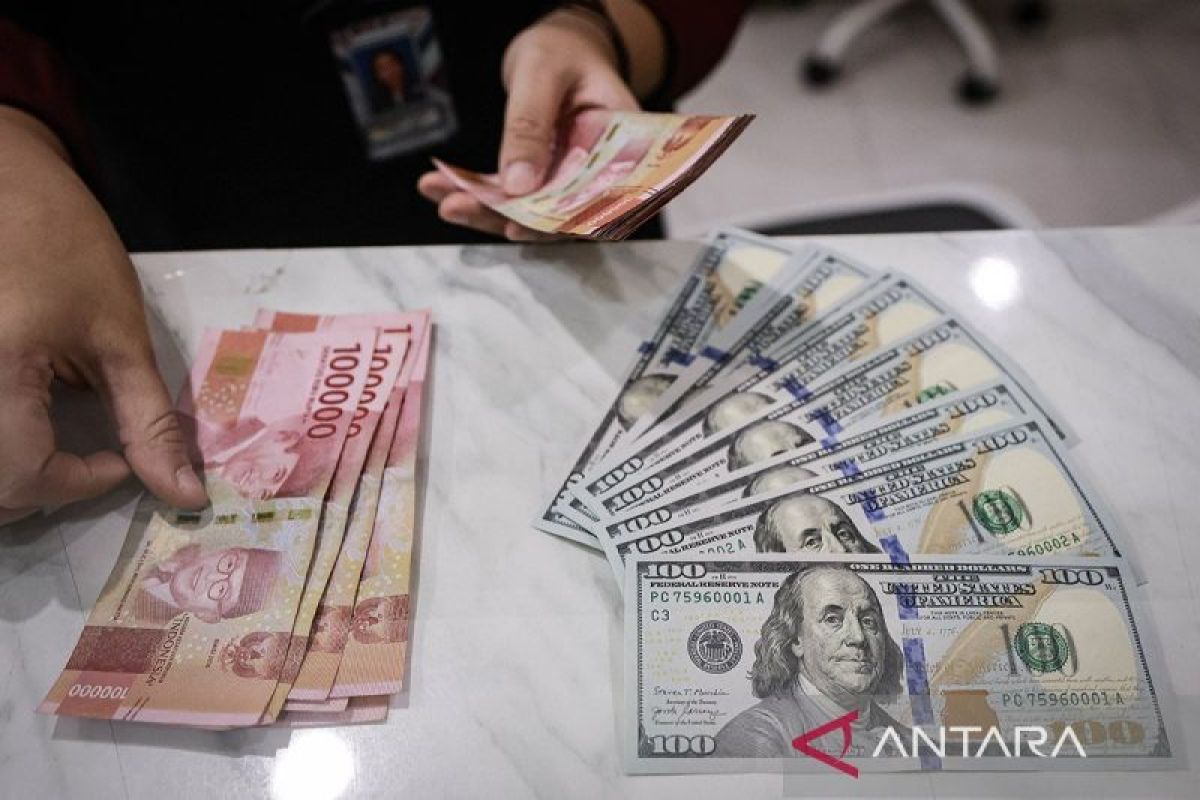
Analysts at Indo Premier Sekuritas noted that the rupiah’s depreciation has been exacerbated by “home bias” among local investors, who favor domestic assets over foreign ones. This behavior, combined with the U.S. Federal Reserve’s tightening monetary policy, has created a challenging environment for the currency, according to a report cited by financial outlets.
Capital Inflows Expected to Offset Some Pressures
Despite the downward trend, projections from kontan.co.id suggest that capital inflows into Indonesia’s financial markets could rise to $2.3 billion this year. This increase is attributed to improved macroeconomic fundamentals, including a projected GDP growth rate of 5.1% and a stabilizing inflation rate of 3.2%, according to government data.
“The inflow of foreign capital is likely to provide a buffer against currency depreciation, but it will depend on the pace of domestic policy execution,” said a spokesperson for Ashmore, a global asset management firm. “Without clear signals from policymakers, volatility is expected to persist.”
Impact of U.S. Financial Policies on Local Markets
The U.S. dollar’s strength, driven by the Federal Reserve’s aggressive rate hikes, has intensified pressure on emerging market currencies, including the rupiah. Financial analysts highlighted that the “carrier ship” strategy of U.S. financial institutions—referring to the dominance of American capital in global markets—has further constrained local currencies, according to reports from revolusinews.com.
This dynamic has prompted calls for greater monetary coordination between Indonesia and its trading partners. However, policymakers have emphasized that domestic reforms, such as tax adjustments and infrastructure investments, remain the priority for long-term stability.
Key Points
- The rupiah fell to a 14-month low against the U.S. dollar amid geopolitical and domestic economic uncertainties.
- Capital inflows into Indonesia’s financial markets are projected to reach $2.3 billion this year, according to kontan.co.id.
- Analysts warn that the rupiah’s depreciation is exacerbated by “home bias” and U.S. monetary policy trends.
- Domestic policy implementation and regional trade stability are critical factors for market confidence.
