
Reserve Bank Urged to Halt Rate Increases Amid Warnings of Economic Fallout
Senior economists and financial analysts are calling on the Reserve Bank of Australia to maintain current interest rates, warning that further hikes could trigger significant economic instability. This comes as the central bank prepares for its June meeting, where decisions on monetary policy will shape the nation’s financial landscape.
What Happened?
The Reserve Bank of Australia (RBA) faces mounting pressure to pause its tightening cycle, with warnings that additional rate increases could exacerbate existing economic vulnerabilities. This follows a series of recent statements from major financial institutions and industry bodies, which highlight the risks of prolonged high-interest environments.

According to a report from a leading economic think tank, the RBA’s current benchmark rate—set at 4.35% as of May 2024—has already contributed to a slowdown in housing market activity and reduced consumer spending. “Continuing to raise rates without clear signs of inflation moderation could push the economy into a recession,” the report states.
The central bank’s decision is critical as it balances its mandate to control inflation with the need to support economic growth. Recent data shows inflation has eased slightly to 3.1%, still above the RBA’s target range of 2-3%, but the path to normalization remains uncertain.
Key Stakeholders and Their Positions
The debate over interest rates involves a range of stakeholders, each with distinct priorities and concerns. Here’s a breakdown of the major players:
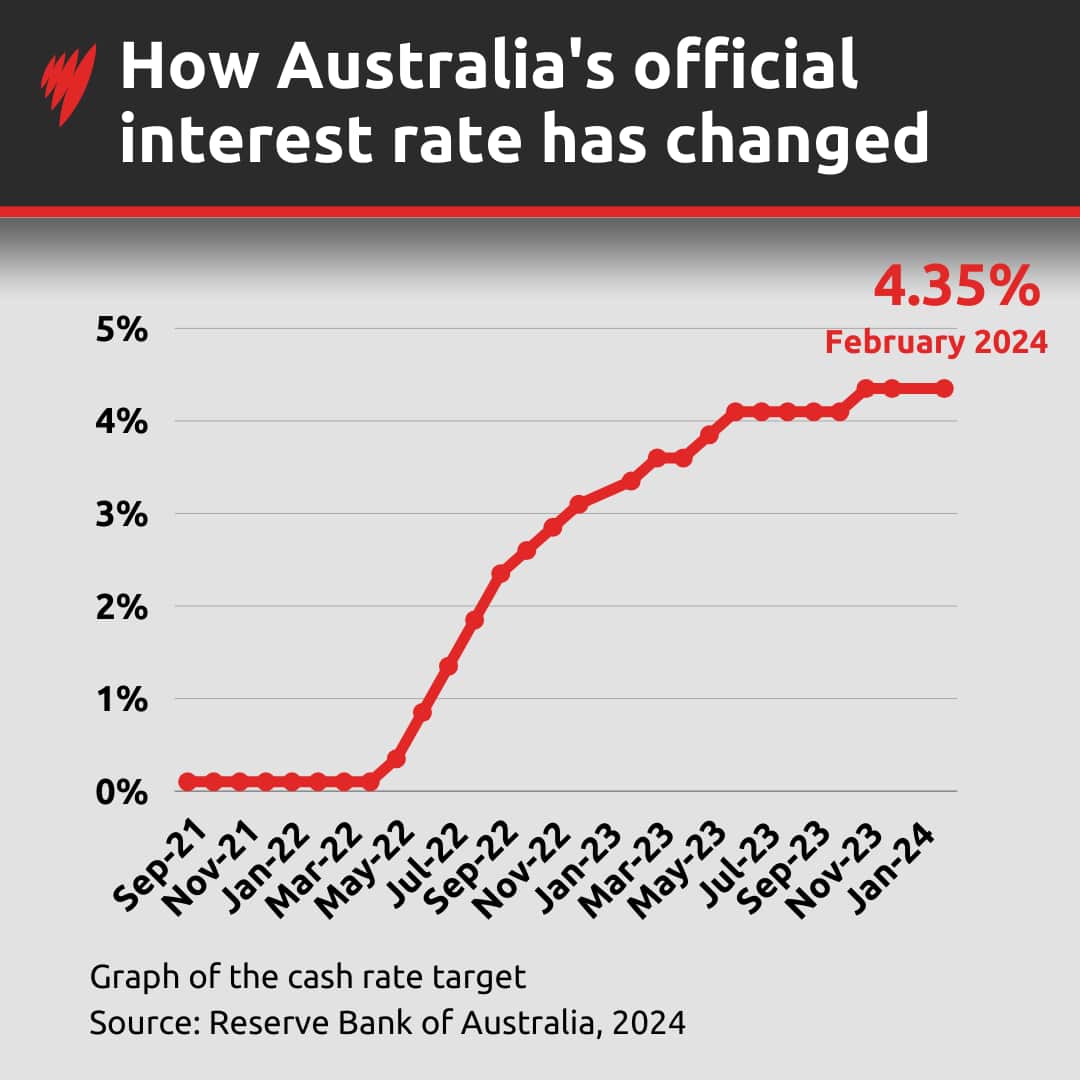
- Reserve Bank of Australia: The RBA’s primary focus is on maintaining price stability. While officials have emphasized the need to keep inflation in check, some members have expressed caution about the potential side effects of aggressive rate hikes.
- Big Four Banks: Australia’s largest commercial banks have issued mixed signals. While some have predicted a pause in rate increases, others have warned that two additional hikes could still be necessary to fully address inflationary pressures.
- Industry Associations: Business groups and housing sector representatives have urged the RBA to avoid further tightening, citing the impact on mortgage rates and investment activity. The Australian Industry Group, for example, has highlighted concerns about reduced business confidence and slower job creation.
- Consumer Advocates: Financial watchdogs and consumer organizations have called for a more gradual approach, arguing that sudden rate increases could disproportionately affect households with variable-rate mortgages.
These divergent perspectives underscore the complexity of the RBA’s decision-making process, as it seeks to navigate conflicting economic signals.
Economic Context and Recent Trends
The current economic climate is marked by a delicate balance between inflation control and growth support. Key factors influencing the RBA’s deliberations include:
- Inflation Trends: While core inflation has shown signs of moderation, underlying pressures from energy costs and wage growth remain. The RBA must assess whether these factors are temporary or indicative of a more persistent trend.
- Global Economic Conditions: International developments, such as the Federal Reserve’s policy moves and global supply chain adjustments, also play a role in shaping the RBA’s strategy. A slowdown in China or a prolonged European recession could have ripple effects on Australia’s export-dependent economy.
- Domestic Consumption: Consumer spending has slowed in recent months, with households prioritizing savings over discretionary purchases. This trend could limit the RBA’s ability to stimulate growth through monetary policy alone.
The RBA’s historical approach to rate-setting has been guided by its dual mandate: price stability and maximum employment. However, the current environment presents unique challenges, as traditional tools may have diminished effectiveness.
Reactions and Expert Analysis
Economic experts have offered a range of perspectives on the potential outcomes of the RBA’s decision. Some highlight the risks of inaction, while others caution against premature relaxation of monetary policy.
“The RBA is walking a tightrope,” said Dr. Emily Carter, an economist at the University of Sydney. “If they continue raising rates, they risk triggering a slowdown in sectors like construction and retail. But if they pause too soon, inflation could reaccelerate, eroding purchasing power.”
A recent analysis by a major investment firm noted that the RBA’s policy rate is now in “neutral territory,” meaning it neither stimulates nor restrains growth. “This suggests the central bank has reached a point where further tightening may be counterproductive,” the report concluded.
However, not all experts agree. Professor Mark Thompson of the Australian National University argued that “the inflationary risks are not yet fully mitigated. The RBA must remain vigilant to ensure that price stability is not compromised.”
Historical Precedents and Policy Comparisons
To understand the current situation, it’s useful to examine past monetary policy decisions. For example, during the 2008 global financial crisis, the RBA cut rates aggressively to stabilize the economy. In contrast, the current approach reflects a more cautious stance, given the different economic conditions.
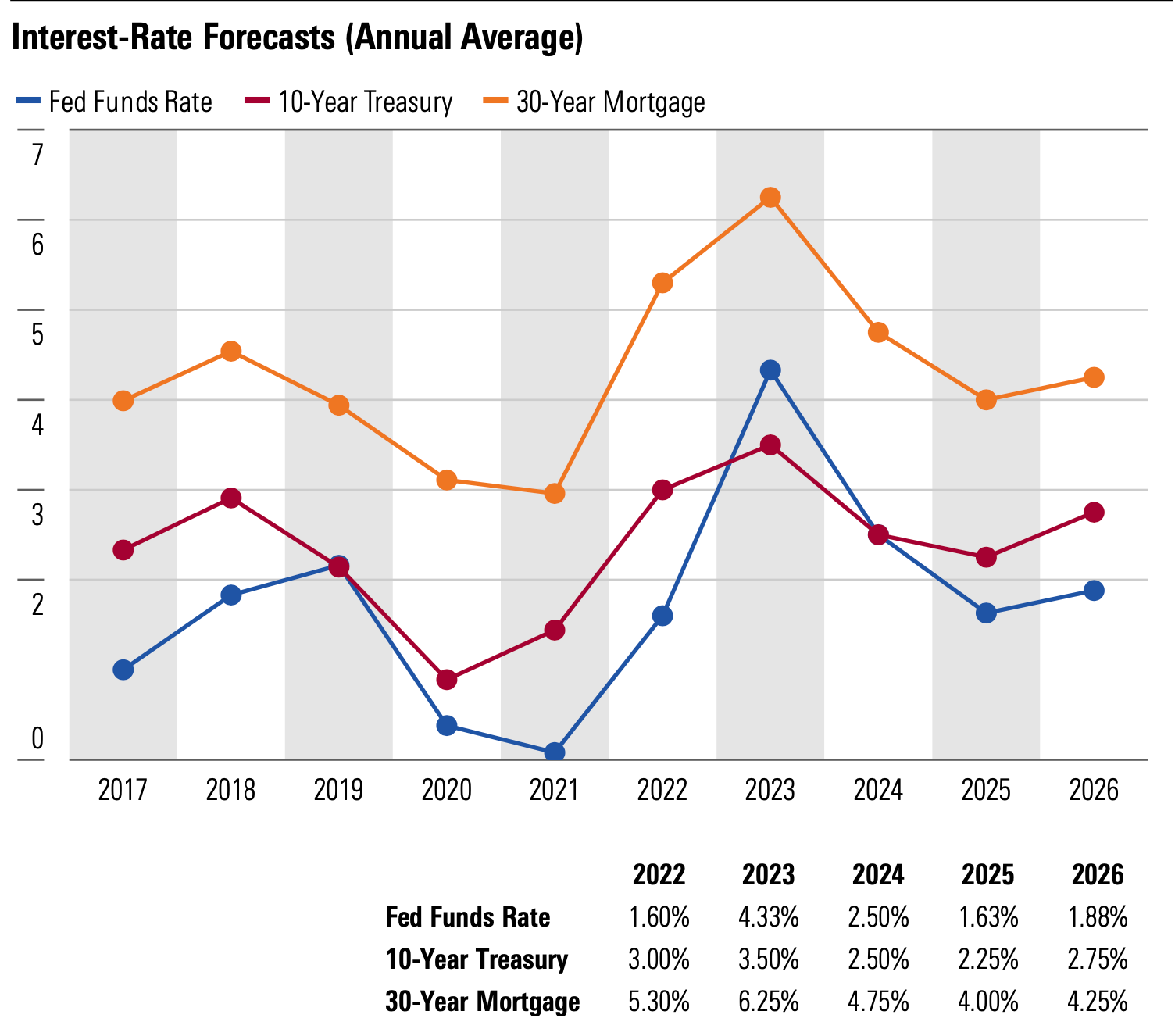
A comparison with the U.S. Federal Reserve’s recent actions provides further insight. While the Fed has maintained its high-rate policy for longer, it has also faced similar challenges in balancing inflation control with economic growth. This highlights the global nature of the monetary policy dilemma.
Another relevant precedent is the RBA’s response to the 2020 pandemic. The central bank implemented record-low rates to support households and businesses, demonstrating its flexibility in crisis situations. However, the current context is different, with inflation being a more pressing concern than deflation.
Implications for Businesses and Households
The RBA’s decision will have far-reaching implications for both businesses and households. Key areas of impact include:
- Mortgage Rates: A pause in rate increases would provide relief to homeowners with variable-rate mortgages, reducing monthly payments and easing financial pressure.
- Business Investment: Lower borrowing costs could encourage businesses to invest in expansion and hiring, potentially boosting employment and productivity.
- Consumer Spending: Reduced rates may stimulate consumer confidence, leading to increased spending on goods and services. However, this effect could be limited by ongoing concerns about job security and inflation.
For businesses, the decision also affects access to credit and the cost of capital. A prolonged period of high rates could lead to reduced investment in new projects, while a pause might encourage more aggressive growth strategies.
