
What the F*** Are You Doing: Trump’s Outburst Over Netanyahu’s Beirut Strike Sparks Global Diplomatic Fallout
U.S. President Donald Trump’s expletive-laden confrontation with Israeli Prime Minister Benjamin Netanyahu over the Israeli airstrike on Beirut in 2024 has intensified regional tensions and raised questions about the stability of ongoing Middle East peace negotiations. The incident, which occurred amid heightened conflict between Israel and Iran-backed groups in Lebanon, has drawn sharp criticism from Washington and Tehran, with implications for U.S.-Israel relations and the broader Iran nuclear deal framework.
The Attack and Immediate Reactions
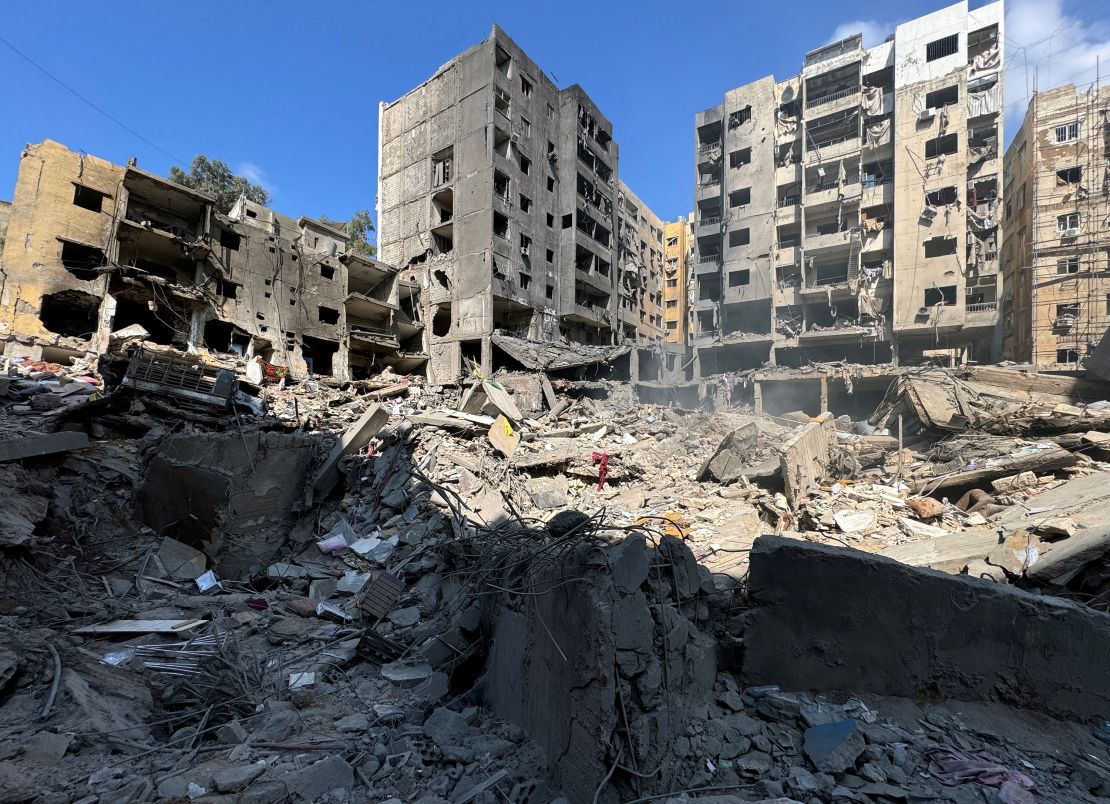
The Israeli military conducted a targeted airstrike in Beirut’s southern suburbs on [insert date], reportedly targeting a senior figure linked to Hezbollah, a Iran-backed militant group. The operation, which killed at least [insert number] individuals and injured [insert number], was condemned by multiple international actors, including Iran, which accused the U.S. of complicity in the attack. Israeli officials stated the strike aimed to disrupt Hezbollah’s operational capabilities, citing recent cross-border attacks on Israeli territory.
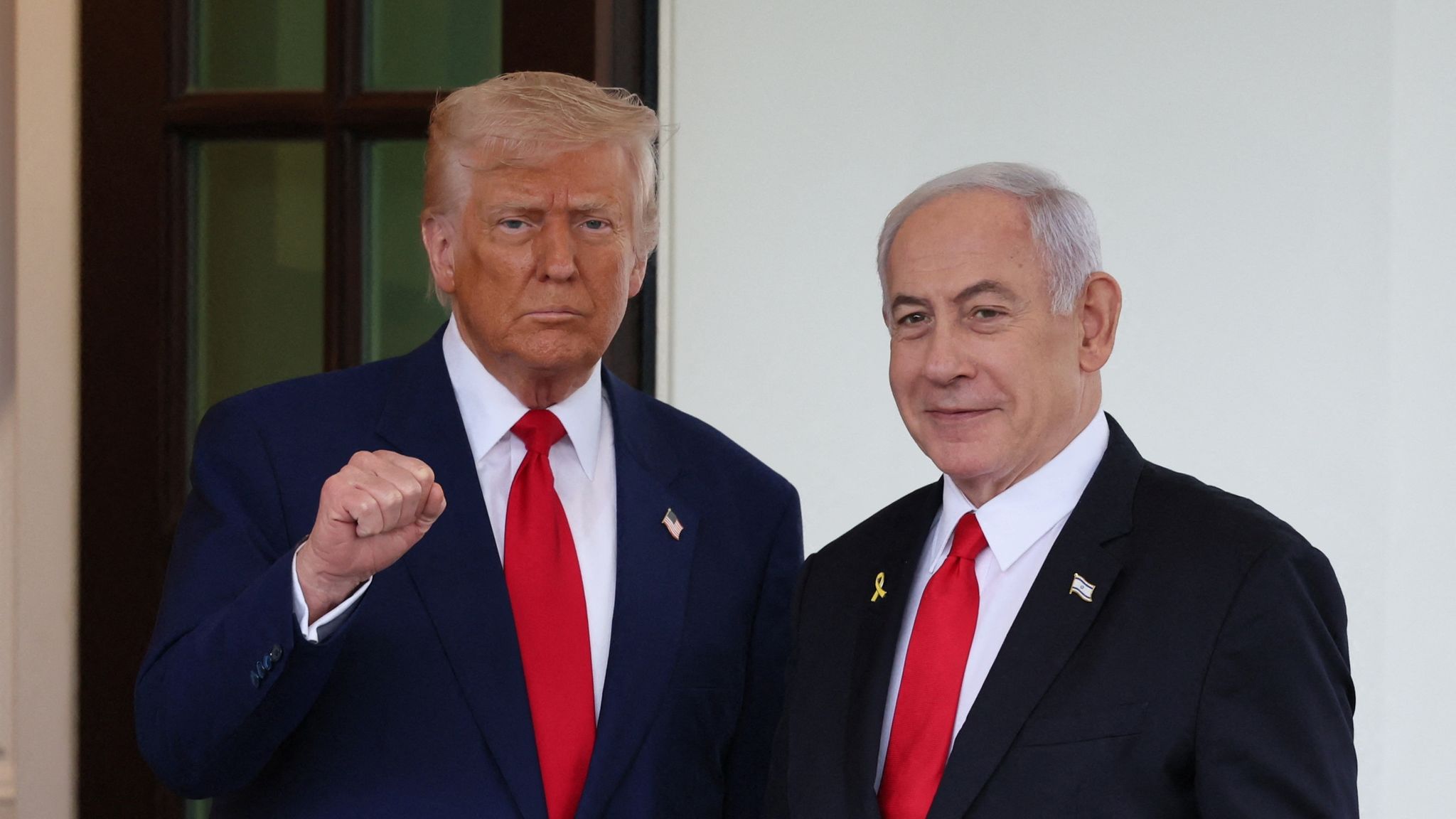
Trump’s public outburst, captured in a brief but intense exchange with Netanyahu, marked a rare moment of overt frustration from the former president. Sources close to Trump described the remarks as a direct rebuke of what they characterized as Netanyahu’s “reckless escalation” in the absence of clear U.S. guidance. “He didn’t just say it—he exploded,” one aide said, referring to the expletive-laden remarks. Netanyahu, meanwhile, defended the strike as a necessary measure to protect Israeli citizens, according to official statements.
The attack coincided with stalled diplomatic efforts to revive the 2015 Iran nuclear deal, which had collapsed under Trump’s administration. Analysts noted that the airstrike could further complicate negotiations, as Iran has consistently tied its willingness to return to the agreement to a reduction in U.S.-Israel military coordination in the region.
Key Players and Their Stances
The conflict involves a complex web of regional and global actors, each with distinct interests and positions:
- Israel: Prime Minister Netanyahu’s government has framed the strike as a defensive measure against Hezbollah, which it views as a direct threat. Israeli officials have emphasized the need for “unwavering deterrence” against Iran’s influence in the region.
- Iran: The Islamic Republic has denounced the attack as an act of aggression, accusing the U.S. of enabling Israel’s actions. Iranian Foreign Ministry statements called for “international accountability” and warned of “proportional responses” to future strikes.
- United States: While the Biden administration has not publicly criticized the airstrike, it has faced pressure from both allies and adversaries. Trump’s remarks, though unofficial, highlighted concerns within the Republican Party about perceived U.S. overreach in Middle East affairs.
- Hezbollah: The group, designated as a terrorist organization by the U.S. and EU, has claimed responsibility for cross-border attacks on Israel. Its leadership has called for retaliation against “American-backed aggressors.”
The incident also underscores the fragile state of U.S.-Israel relations. While the two nations share strong military and political ties, disagreements over military operations in the region have occasionally surfaced. Trump’s remarks, though not officially representing U.S. policy, reflect a broader debate within Washington about the balance between supporting Israel and avoiding escalation with Iran.
Context and Historical Background
The airstrike in Beirut is part of a longer pattern of Israeli military actions targeting Iran’s allies in the region. Since 2020, Israel has conducted numerous strikes in Syria and Lebanon, often citing the need to disrupt Iranian arms shipments and prevent the establishment of a “fifth column” of Iranian proxies. These operations have been met with mixed reactions from the international community, with some viewing them as necessary for regional security and others as provocative acts that risk wider conflict.
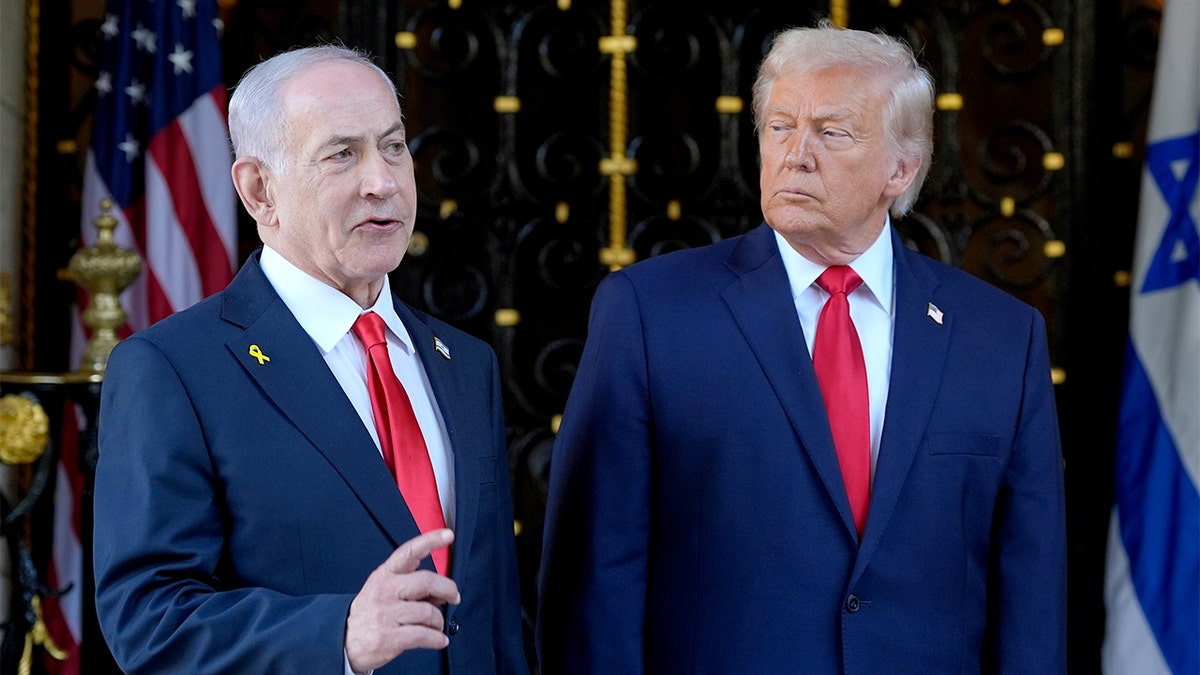
The timing of the attack is particularly significant. In 2024, the U.S. and Iran have been engaged in indirect talks to revive the nuclear deal, known as the Joint Comprehensive Plan of Action (JCPOA). However, negotiations have stalled over disagreements about sanctions relief and verification mechanisms. The Beirut strike could complicate these discussions, as Iran may use the incident to justify its refusal to return to the negotiating table.
Historically, U.S. presidents have sought to balance support for Israel with the need to maintain stability in the Middle East. For example, Barack Obama’s administration faced criticism for its handling of the 2014 Gaza war, while Trump’s decision to recognize Jerusalem as Israel’s capital in 2017 drew sharp rebukes from Arab states. The current crisis highlights the enduring challenge of navigating these competing priorities.
Implications for Regional and Global Diplomacy
The Beirut airstrike has already prompted a wave of diplomatic reactions, with implications for both regional stability and international alliances:
- U.S.-Israel Relations: The incident has reignited debates about the extent of U.S. involvement in Israeli military decisions. While the Biden administration has maintained a public stance of support for Israel, the privately expressed frustration from Trump’s camp suggests deeper divisions within the Republican Party.
- Iran’s Response: Iran’s leadership has vowed to retaliate against what it calls “American-Israeli aggression.” Analysts speculate that this could involve cyberattacks, proxy operations, or direct military action against U.S. interests in the region.
- Global Alliances
