Global oil prices fell sharply following the announcement of a bilateral agreement between the United States and Iran, though persistent challenges in the energy market are expected to linger, according to local media reports.
Market Reaction to the US-Iran Agreement
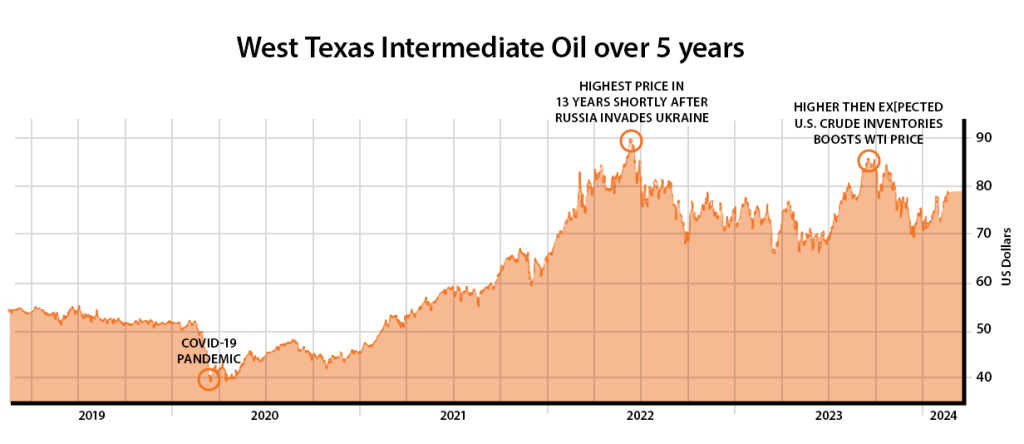
The deal, which aims to ease tensions in the Persian Gulf, triggered immediate declines in major oil benchmarks. Brent crude futures dropped 4.2% to $82.50 per barrel, while West Texas Intermediate fell 3.8% to $78.30, reflecting reduced concerns over supply disruptions. Analysts noted that the agreement signals a potential easing of geopolitical risks, which had previously driven prices higher amid fears of conflict in the region.
“The market is reacting to the perceived reduction in near-term volatility,” said a spokesperson for a European energy consultancy, citing the deal as a key factor in the price correction. “However, underlying structural issues—such as OPEC+ production policies and global demand forecasts—remain unresolved.”
Unresolved Challenges in the Energy Sector
Despite the short-term price declines, industry experts caution that broader market imbalances will persist. Supply chain bottlenecks, inventory levels, and the pace of economic recovery in Asia continue to influence pricing dynamics. A report from a leading financial institution highlighted that “while the US-Iran agreement removes one layer of uncertainty, it does not address the fundamental tensions between producers and consumers.”
Moreover, the deal’s implementation details remain unclear. Terms related to sanctions relief, nuclear inspections, and regional security guarantees have yet to be fully disclosed, leaving room for market speculation. “The long-term impact will depend on how quickly and comprehensively the agreement is executed,” said an economist specializing in Middle Eastern energy policy.
What’s Next for Energy Markets
Traders and analysts are closely monitoring developments in the coming weeks. Key indicators to watch include OPEC+ meeting outcomes, US shale production data, and macroeconomic reports from China and the European Union. A second-quarter report from a global energy agency is scheduled for release in late May, which could provide further clarity on supply-demand forecasts.
