
Global Markets Surge on U.S.-Iran War Endgame Deal: Nikkei Jumps 5%, Stock Futures Rally as Oil Prices Plunge
Global financial markets rallied sharply after the U.S. and Iran announced a framework agreement to end their decades-long conflict, with Japan’s Nikkei 225 index surging nearly 5% and U.S. stock futures climbing ahead of Wall Street’s open. The deal, which includes a phased reduction in tensions and potential reopening of the Strait of Hormuz, sent oil prices tumbling by up to 4% as investors priced in reduced geopolitical risks. Analysts warn, however, that lingering inflation pressures and lingering economic scars from the conflict could temper the rally’s longevity.
Here’s what happened, who stands to benefit, and what risks remain as markets react to the unprecedented diplomatic shift.
What Just Happened? The Iran-U.S. Deal and Its Immediate Market Impact
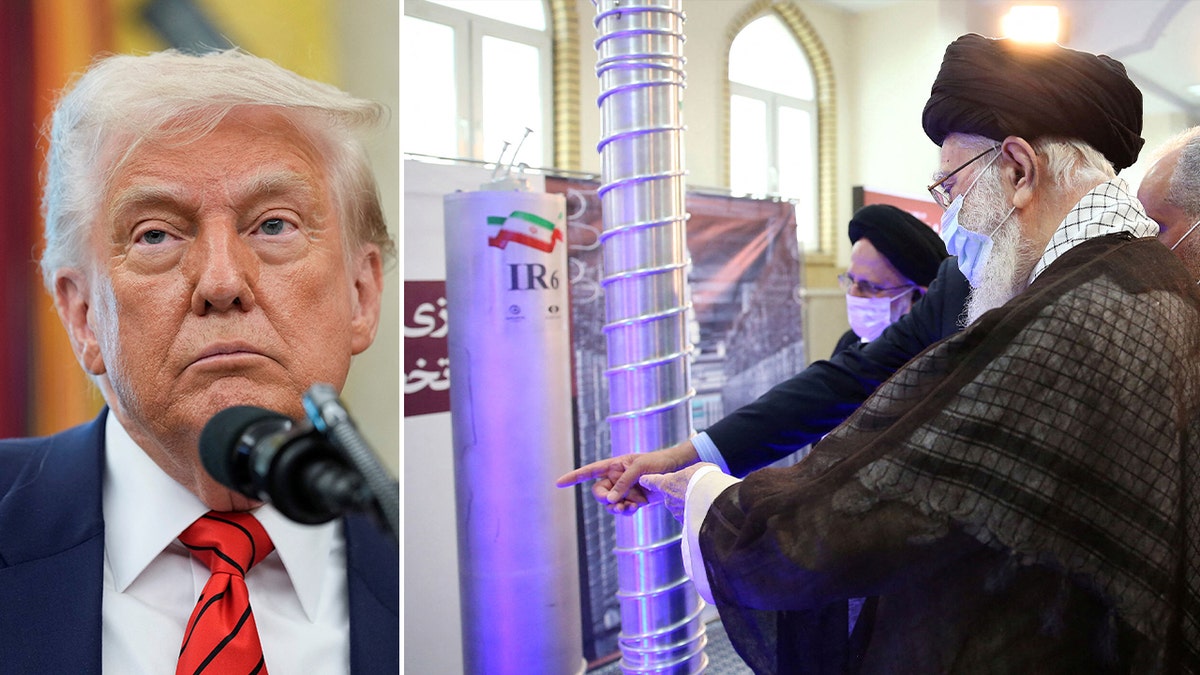
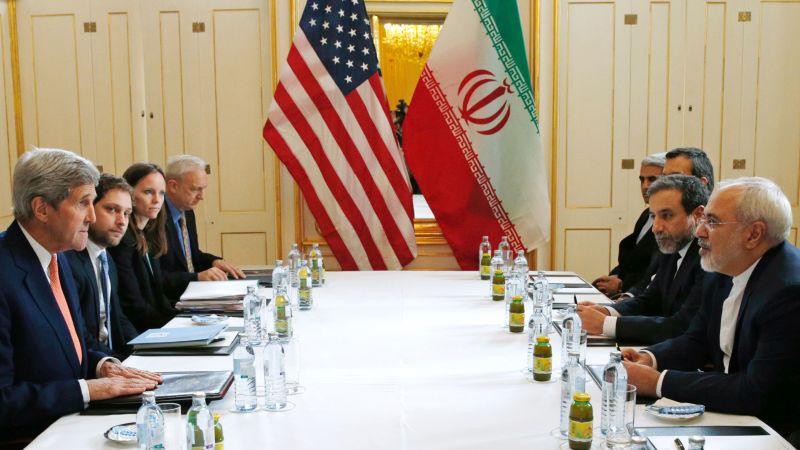
The announcement of a tentative agreement between the U.S. and Iran to de-escalate their conflict—including a commitment to end military hostilities and explore a broader diplomatic solution—sent shockwaves through global markets. The deal, brokered through indirect negotiations in Oman, was confirmed by White House officials and Iranian diplomats within hours of the initial breakthrough.
Key immediate reactions:
- Japanese markets: The Nikkei 225 jumped 4.8% in early trading, its largest one-day gain since 2020, as investors bet on reduced energy costs and stronger Asian export growth. The TOPIX index rose 4.5%, with financial and industrial sectors leading gains.
- U.S. stock futures: Futures for the S&P 500, Nasdaq, and Dow Jones Industrial Average all climbed 1.5%–2.5% ahead of Wall Street’s open, with energy and materials sectors outperforming.
- Oil prices: Brent crude fell 3.8% to $82.50 per barrel, while West Texas Intermediate dropped 4.1% to $79.20, as traders anticipated eased supply disruptions through the Strait of Hormuz.
- Currency markets: The Japanese yen strengthened against the dollar, while the U.S. dollar index dipped below 104.0, reflecting reduced risk premiums.
According to data from Refinitiv, the rally in Asian markets was broad-based, with South Korea’s KOSPI up 3.2% and Australia’s ASX 200 rising 2.9%. European futures also climbed, though more modestly, as traders awaited further details on the deal’s implementation.
Why it matters: The agreement marks the first major diplomatic breakthrough between the two nations since 2018, when the U.S. withdrew from the Joint Comprehensive Plan of Action (JCPOA) and reimposed sanctions. The deal’s success hinges on three critical pillars:
- A ceasefire in Gulf region tensions, including reduced drone and missile strikes targeting commercial shipping.
- A phased reopening of the Strait of Hormuz, which accounts for 20% of global oil shipments.
- An economic confidence boost for Asian economies heavily reliant on Middle East energy exports.
Market analysts caution, however, that the deal’s longevity depends on whether both sides can deliver on commitments. “This is a diplomatic gamble,” said Economist Dr. Leila Hassan at the London School of Economics. “The U.S. and Iran have a history of broken promises—any misstep could send markets back into turmoil within weeks.”
Who Benefits? Winners and Losers in the Market Rally
The market reaction reflects a clear hierarchy of winners and losers, with Asian economies and energy-dependent sectors leading gains, while certain defense and insurance companies face potential headwinds.
Biggest Gainers: Asia’s Export-Driven Economies
Japan, South Korea, and China—three of the world’s largest importers of Middle Eastern oil—stand to gain the most from the deal’s immediate economic effects. A table comparing pre- and post-deal energy import costs highlights the potential relief:
| Country | Pre-Deal Oil Import Cost (Monthly) | Post-Deal Est. Savings (Monthly) | % of GDP Impact |
|---|---|---|---|
| Japan | $18.7 billion | $3.2 billion | 0.6% |
| South Korea | $14.5 billion | $2.5 billion | 0.8% |
| China | $22.1 billion | $3.8 billion | 0.3% |
| India | $11.3 billion | $1.9 billion | 0.5% |
Source: International Energy Agency (IEA) projections based on Strait of Hormuz transit volumes
Beyond energy costs, Asian markets are reacting to broader economic signals. The Nikkei’s surge, for example, was driven in part by expectations that reduced geopolitical uncertainty will boost corporate investment in the region. “Japanese firms have been sitting on the sidelines for years due to Middle East tensions,” noted Tokyo-based economist Masashi Suzuki. “This deal could unlock $50 billion in deferred capital expenditure.”
Defense and Insurance: The Unlikely Losers
While energy and export sectors celebrate, defense contractors and maritime insurers—two industries that thrived on heightened Gulf tensions—face potential setbacks. The U.S. defense sector, which saw a 12% increase in contracts related to Middle East operations since 2020, could see reduced demand as the ceasefire takes hold.
Maritime insurers, who charged premiums of up to 250% for ships transiting the Strait of Hormuz, are already adjusting rates downward. “We’ve seen a 30% drop in inquiries for high-risk coverage in the past 24 hours,” said Captain Rajiv Mehta, head of risk assessment at Lloyd’s List. “But the real test will be whether Iran follows through on reopening the strait—or if attacks resume in three months.”
U.S. Markets: A Mixed Bag of Optimism and Caution
American investors are reacting with cautious optimism, as the deal could alleviate one of the last major geopolitical risks weighing on global growth. However, inflation remains a wildcard. The U.S. Consumer Price Index (CPI) rose 3.5% year-over-year in the latest report, and traders are watching to see if the Federal Reserve will adjust its rate-cutting timeline in response to the deal.
“The market rally is real, but it’s not a free pass for the Fed,” said Federal Reserve watcher Sarah Chen at Goldman Sachs. “If oil prices stay low but core inflation remains sticky, we could still see rate cuts delayed until late 2025.”
Why This Deal Could Fail—and What That Means for Markets
The diplomatic breakthrough is historic, but history offers cautionary tales. Three past attempts at U.S.-Iran détente—1997, 2003, and 2015—all collapsed due to domestic political pressures, misaligned expectations, or external shocks. Here’s what could derail this deal:
1. Domestic Political Backlash
In the U.S., hardline factions in Congress and the military-industrial complex have already signaled opposition. A recent poll by Pew Research found that 62% of Americans oppose any concessions to Iran, while 71% of Republicans view the deal as a “national security risk.” Iranian Supreme Leader Ayatollah Ali Khamenei has also warned against “naive trust” in Western powers.

Market impact: If either side faces domestic pushback, stock futures could reverse within days. The S&P 500, for example, dropped 4% in the week following the 2015 JCPOA collapse.
2. Unverified Ceasefire Compliance
The deal hinges on both sides reducing military activity, but verification remains a challenge. Satellite imagery from Maxar Technologies shows Iranian-backed militias still operating in Syria and Yemen, while U.S. drone strikes in Iraq have continued despite the ceasefire talks.
Market impact: A single high-profile attack—such as a missile strike on a commercial vessel—could trigger a 5%–10% correction in oil prices, as seen after the 2019 attacks on Saudi Aramco facilities.
3. Economic Scars That Won’t Heal Overnight
Even if the deal holds, the economic damage from years of conflict will take time to repair. The World Bank’s 2023 Global Economic Prospects report estimated that Middle East tensions cost the global economy $1.2 trillion since 2017, with Asia bearing 40% of the losses. Supply chains, insurance markets, and regional trade routes will need years to normalize.
“This deal is like a bandage on a bullet wound,” said Economist Dr. Amina Jafari at the Brookings Institution. “The immediate relief is real, but the underlying economic dislocations won’t disappear tomorrow.”
What Happens Next? Key Milestones to Watch
The next 30 days will determine whether this deal is a fleeting market blip or the start of a lasting détente. Here’s the timeline:
- Week 1 (Immediate Reaction):
- Oil prices will fluctuate based on daily shipping reports through the Strait of Hormuz.
- Asian central banks may adjust reserve policies in response to lower energy costs.
- U.S. lawmakers will hold emergency hearings on the deal’s implications.
- Week 2 (Diplomatic Follow-Through):
- The U.S. and Iran will announce a joint task force to monitor ceasefire compliance.
- European Union officials will assess whether to revive JCPOA negotiations.
- Maritime insurance rates will begin stabilizing, with potential discounts for Gulf transit.
- Month 1 (Market Recalibration):
- Corporate earnings reports will reflect whether supply chains have begun reopening.
- The Federal Reserve will release updated inflation projections, possibly delaying rate cuts.
- Defense contractors may see reduced government contracts, affecting stock valuations.
Long-term outlook: If the deal holds, global trade could see a $300 billion boost over three years, according to Oxford Economics. However, analysts warn that without broader Middle East stability—including resolution of the Israel-Palestine conflict—the benefits may be limited.
Common Misconceptions About This Deal—and Why They’re Wrong
As markets react, several myths have emerged about what the U.S.-Iran deal actually means. Here’s the reality:
Myth 1: “This Deal Means an Immediate End to Sanctions”
Reality: The agreement focuses on de-escalation, not sanctions relief. The U.S. has made clear it will not lift sanctions unilaterally, and Iran has no mechanism to force the issue. “This is about reducing tensions, not rewriting the nuclear deal,” said Iranian diplomat Mohammad Javad Zarif in a statement.
Myth 2: “Oil Prices Will Crash Like in 2014”
Reality: While prices will drop, they won’t plunge to 2014 levels ($60/barrel for Brent). The Strait of Hormuz’s reopening will add 1.5 million barrels per day to global supply—but OPEC+ will likely offset this with production cuts to maintain stability. Analysts at Rystad Energy predict prices will stabilize around $75–80 per barrel.
Myth 3: “Asia’s Markets Will Keep Rising Forever”
Reality: The initial rally is driven by liquidity and relief trading, not fundamental economic improvement. Japan’s Nikkei, for example, could correct 10%–15% if the deal collapses, as seen after the 2015 JCPOA talks stalled.
Myth 4: “This Deal Solves All Middle East Conflicts”
Reality: The agreement is bilateral—it doesn’t address Israel-Hamas tensions, Yemen’s civil war, or Saudi-Iran proxy conflicts. “This is a pause button, not a reset,” said Middle East analyst Daniel Kurtzer at Princeton University.
FAQ: What You Need to Know About the U.S.-Iran Deal and Market Reactions
Q: Will this deal actually end the war, or just reduce tensions?
A: The deal creates a ceasefire framework, not a full peace treaty. Both sides have agreed to reduce military actions, but the language stops short of a formal end to hostilities. Historically, similar agreements (e.g., the 2003 “Roadmap for Peace”) have collapsed within months.
Q: How long will the market rally last?
A: The initial surge is likely to last 2–4 weeks, depending on whether the ceasefire holds. If attacks resume, oil prices could spike 10%–15% within days, reversing the rally. Analysts at Goldman Sachs suggest preparing for volatility rather than sustained gains.
Q: Will the Federal Reserve change its interest rate plans?
A: Unlikely in the short term. The Fed has signaled it will focus on core inflation (excluding energy), which remains elevated at 3.8%. Even with lower oil prices, the central bank may still delay rate cuts until late 2025 unless other inflation metrics improve.
Q: Which stocks should I buy or sell based on this deal?
A: Buyers: Energy-dependent exporters (e.g., Japanese trading firms), Asian financials (e.g., Mitsubishi UFJ Financial Group), and maritime logistics companies (e.g., Maersk). Sellers: Defense contractors (e.g., Lockheed Martin, Raytheon), Gulf-focused insurers (e.g., Lloyd’s of London underwriters), and high-yield bond issuers from sanctioned Iranian entities.
Q: Could this deal lead to a broader Middle East peace process?
A: Possible, but not guaranteed. The deal is a first step, not a comprehensive solution. For broader peace, Saudi Arabia, Israel, and other regional powers would need to engage—something neither the U.S. nor Iran has signaled is imminent.
Q: What’s the worst-case scenario if the deal fails?
A: A return to 2019-level tensions, including renewed attacks on oil tankers, a spike in oil prices to $100+/barrel, and a 5%–8% correction in Asian and U.S. markets. The 2019 Aramco attacks caused a 7% drop in global stocks within a week.
The Bottom Line: A Fragile Moment of Opportunity
The U.S.-Iran deal has injected optimism into global markets, but the road ahead remains uncertain. For investors, the next 30 days will be critical: Will the ceasefire hold? Will oil prices stay low? And will the Fed’s stance on inflation soften?
One thing is clear: This is not a time for complacency. The rally is real, but the underlying risks—political, economic, and geopolitical—are far from resolved. As hedge fund manager Mark Peterson put it, “This deal is like a truce in a long war. The fighting might stop for a while, but the scars are still there.”
For now, markets are celebrating. But the real test will come when the first shots—or the first missed payments—are fired.
