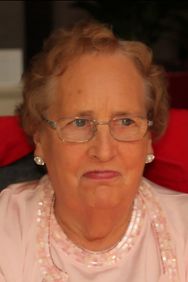
Mary Harrington (née Casey) of Glengarriff, Cork: A Life Remembered Through Community and Legacy
The passing of Mary Harrington (née Casey) has left an indelible mark on the tight-knit community of Glengarriff, a picturesque village nestled in the heart of West Cork. Known for her quiet strength and deep-rooted connections, Mary’s life story reflects the enduring traditions of rural Ireland—where generations are bound by more than just bloodlines, but by shared experiences, memories, and the unspoken bonds of small-town living. Her death notice, shared widely through platforms like RIP.ie, has sparked reflection not only on her personal journey but also on the cultural significance of such memorials in modern Ireland.
For many, death notices serve as more than just formal announcements; they are windows into the lives of those who have shaped local history. Mary Harrington’s story—her family ties, her community involvement, and the quiet legacy she leaves behind—offers a glimpse into the values that continue to define Glengarriff and its residents. This article explores her life, the traditions surrounding Irish death notices, and the ways in which communities like Glengarriff preserve their collective memory.
—
Who Was Mary Harrington (née Casey)?
Mary Harrington, born Mary Casey, was a woman whose life was deeply intertwined with the rhythms of Glengarriff. A village renowned for its natural beauty—surrounded by the Sheep’s Head Peninsula, the Atlantic Ocean, and the rugged landscapes of West Cork—Glengarriff has long been a place where time moves at its own pace. Mary’s story is one of resilience, family, and an unspoken commitment to the community that raised her.
Though details about her personal life remain private, her death notice offers key insights into the pillars that supported her: her marriage to Tom Harrington, her roots in the Casey family, and her enduring connection to Glengarriff. Such notices often highlight these elements not just as facts, but as symbols of a life lived in harmony with the values of the place and people she loved.
Key details from her life:
- Full name: Mary Harrington (née Casey)
- Origins: Glengarriff, County Cork, Ireland
- Family ties: Married to Tom Harrington; part of the Casey lineage, a name deeply embedded in the local history of West Cork
- Community role: While specific contributions may not be publicly documented, her presence in Glengarriff—whether through social circles, local events, or quiet acts of kindness—would have been felt by those who knew her
In Irish culture, particularly in rural areas, a person’s identity is often defined by their family, their place of residence, and their role within the community. Mary Harrington’s life, as reflected in her death notice, embodies these traditions.
—
The Significance of Death Notices in Ireland
Death notices in Ireland carry a weight far beyond their brevity. Unlike obituaries in larger newspapers, which often span pages and detail a person’s career and achievements, Irish death notices—especially those published on platforms like RIP.ie—tend to be concise yet deeply symbolic. They serve multiple purposes:
- Honoring the deceased: A formal acknowledgment of a life lived, often including religious references, family names, and brief personal details.
- Informing the community: In smaller towns like Glengarriff, where everyone knows—or knows of—one another, a death notice ensures that neighbors, friends, and extended family are aware of a passing.
- Preserving memory: For families, these notices become part of a collective archive, passed down through generations as a record of who came before.
- Cultural tradition: The format and language often reflect long-standing Irish customs, particularly in Catholic communities where faith plays a central role in end-of-life rituals.
Platforms like RIP.ie have modernized this tradition, making it easier for families to share notices digitally while still adhering to the cultural norms of brevity and respect. For many Irish people, especially those in rural areas, these notices are a vital link between the living and the memory of the deceased.
Why do Irish death notices often include:
- The phrase “Requiescat in Pace” (Latin for “rest in peace”), a common Catholic blessing
- Mention of the deceased’s parish or church affiliation
- Family names in order of generations (e.g., “survived by her husband Tom and children [names]”)
- Requests for prayers or masses to be said for the soul of the departed
Mary Harrington’s notice, like many in Glengarriff, would have followed these conventions, offering a snapshot of her life while inviting the community to reflect and remember.
—
Glengarriff: A Community Built on Memory and Tradition
Glengarriff is more than a village; it is a microcosm of Ireland’s rural heritage. Located on the Beara Peninsula, the area is known for its:
- Natural beauty: The village sits at the mouth of the Glengarriff River, with views of the Atlantic and the Sheep’s Head Peninsula. Its landscape has inspired artists, writers, and travelers for generations.
- Strong community ties: With a population of around 500, Glengarriff is a place where everyone knows their neighbors. Social gatherings, local events, and even daily interactions reinforce a sense of belonging.
- Cultural preservation: Traditional Irish music, Gaelic sports, and religious festivals are central to life here. The village’s history is preserved through oral traditions, local histories, and landmarks like the Glengarriff Castle and Gougane Barra, a pilgrimage site.
- Economic resilience: Historically reliant on fishing, farming, and tourism, Glengarriff’s economy reflects the adaptability of its residents. Today, it balances its rural charm with a growing tourism industry, attracting visitors with its scenic walks, pubs, and cultural heritage.
In such communities, death is not just a personal loss but a collective one. The passing of someone like Mary Harrington would have been marked not only by private mourning but by public acknowledgment—whether through a funeral mass, a gathering at the local pub, or simply the shared knowledge that another pillar of the community has passed.
How Glengarriff remembers its dead:
- Funeral processions: In many rural Irish towns, funerals are communal events, with the deceased’s body often carried through the village to the church or cemetery.
- Memorial masses: Held at local churches, these services allow the community to come together in prayer and reflection.
- Headstones and cemeteries: Glengarriff’s cemeteries, such as St. Brendan’s Cemetery, are repositories of local history, with gravestones marking the lives of generations.
- Oral histories: Stories about the deceased are shared at gatherings, ensuring their memory lives on beyond the death notice.
For Mary Harrington, her life in Glengarriff would have been shaped by these traditions. Her death notice, is not just a formal announcement but a bridge between her personal story and the collective memory of the village.
—
The Role of RIP.ie in Modern Irish Mourning
In the digital age, platforms like RIP.ie have become essential tools for Irish families grieving the loss of a loved one. Launched in 2007, the website allows users to:
- Publish death notices online, reaching a wider audience than traditional newspaper obituaries.
- Share condolence messages and tributes from friends and family, creating a virtual space for mourning.
- Access records of past notices, which can be invaluable for genealogical research.
- Combine modern convenience with traditional Irish customs, such as including religious references and family names.
For communities like Glengarriff, where internet access may be less universal than in urban areas, RIP.ie ensures that death notices remain accessible to those who need them. It also allows younger generations—who may live abroad—to stay connected to their roots and honor their ancestors.
Why RIP.ie is popular in Ireland:
- Accessibility: Unlike print newspapers, which have declining circulations, RIP.ie reaches anyone with an internet connection.
- Cultural relevance: The platform respects traditional Irish mourning customs while adapting them to a digital format.
- Community support: It provides a space for collective grief, allowing strangers to offer condolences and share memories.
- Historical preservation: By archiving death notices, RIP.ie creates a digital record of Irish lives, useful for family historians and researchers.
Mary Harrington’s notice on RIP.ie would have been seen by family members, friends, and even distant relatives who might not have otherwise known of her passing. In this way, the digital notice serves as both a modern and a timeless tribute.
—
Understanding the Emotional and Cultural Impact
The death of a community member like Mary Harrington carries emotional weight that extends beyond the immediate family. In rural Ireland, where identities are deeply tied to place and lineage, the loss of someone like her can evoke a sense of nostalgia and reflection. Here’s why her passing resonates:
- The loss of a local presence: In small towns, everyone plays a role—whether as a shopkeeper, a neighbor, or a participant in local events. Mary’s absence would have been felt in the daily interactions that define Glengarriff’s social fabric.
- Generational continuity: Her life represents a link between past and present. As the Casey family name continues, her story becomes part of the village’s oral history, passed down through stories and memories.
- Cultural continuity: Irish communities often measure time by the lives of their members. A death notice like hers is a reminder of the cycle of life and the importance of preserving traditions.
- Collective grief: In close-knit communities, grief is shared. The death of one person can bring the entire village together, whether through formal rituals or informal gatherings.
For those who knew Mary, her passing may also serve as a reflection on their own mortality and the importance of legacy. In Irish culture, the way one is remembered—through stories, gravestones, or even digital notices—becomes part of their enduring presence.
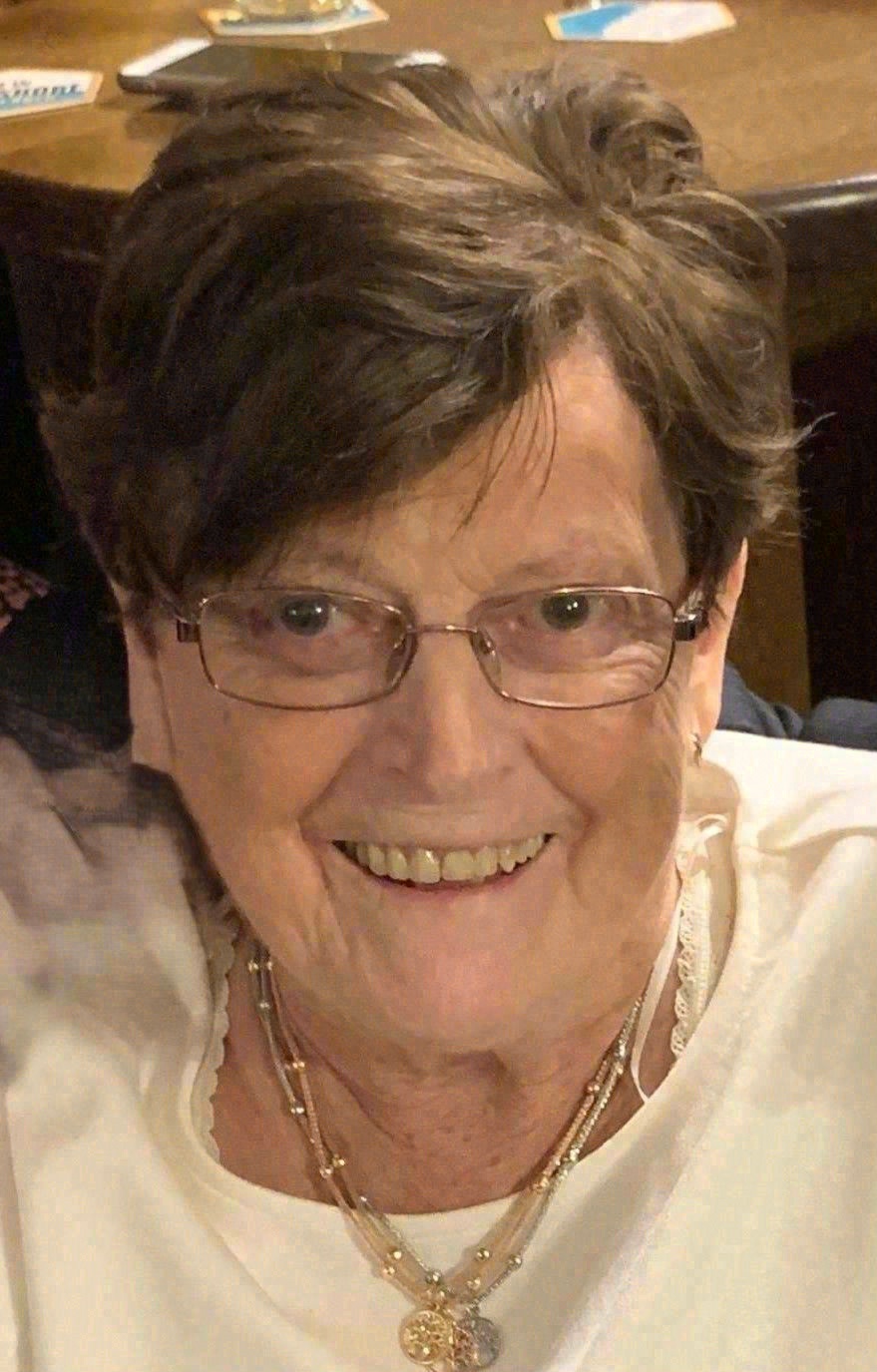
Common reactions in rural Irish communities:
- Public displays of respect: Funerals and memorials are often attended by large numbers of people, regardless of their closeness to the deceased.
- Shared stories: Pubs, tea rooms, and community centers become spaces where memories of the deceased are shared.
- Symbolic gestures: Lighting a candle, signing a condolence book, or contributing to a memorial fund are ways the community honors the dead.
- Future remembrance: Names on gravestones, plaques, or even local landmarks ensure that the deceased are never forgotten.
—
What Happens Next? Preserving Mary Harrington’s Legacy
While Mary Harrington’s life has come to an end, her legacy will continue to shape the community she loved. For families and friends, the next steps often include:
- Funeral and burial: In Ireland, funerals are typically held within a few days of death, followed by burial in a local cemetery. For Mary, this would likely have taken place in Glengarriff, with her final resting place becoming part of the village’s landscape.
- Memorial services: Additional masses or gatherings may be held to honor her life, particularly if she was active in her parish or local organizations.
- Preserving memories: Photographs, personal items, and stories are often kept by family members to ensure Mary’s memory endures. In some cases, these may be shared publicly through social media or local archives.
- Community reflection: Over time, Mary’s story may become part of Glengarriff’s collective memory, told and retold in conversations, historical records, or even local publications.
For those researching family history, her death notice on RIP.ie serves as a starting point. Genealogists and historians often use such records to trace lineages, understand local demographics, and preserve the stories of ordinary people who shaped their communities.
In the case of Mary Harrington, her life—though not widely documented in public records—remains a testament to the quiet strength of rural Irish women. Her story is one of many that, when pieced together, paint a picture of Glengarriff’s enduring spirit.
—
Frequently Asked Questions
How do I find a death notice for someone in Ireland?
Death notices in Ireland are often published in local newspapers, on platforms like RIP.ie, or through funeral homes. For digital records, RIP.ie is the most comprehensive database, allowing users to search by name, location, or date. Traditional newspapers like the Irish Times or Cork Examiner may also carry notices, though these are less common now.
What should be included in an Irish death notice?
A traditional Irish death notice typically includes:
- The full name of the deceased (including “née” for maiden names)
- Date and place of death
- Date and place of birth (if known)
- Marital status and surviving family members
- Religious affiliation (often with a request for prayers or masses)
- A brief personal detail or quote (e.g., “beloved wife of Tom,” “devoted mother”)
- Funeral arrangements (date, time, location)
Why do Irish death notices often mention “Requiescat in Pace”?
Requiescat in Pace (Latin for “rest in peace”) is a traditional Catholic phrase used in death notices to invoke divine mercy for the deceased. It reflects the religious customs of many Irish communities, where faith plays a central role in end-of-life rituals. Even in secular contexts, the phrase remains a respectful way to honor the dead.
How can I pay my respects if I didn’t know the person?
In Irish culture, it is considered respectful to offer condolences to the family, even if you were not personally acquainted with the deceased. You can:
- Sign a condolence book at the funeral home or church
- Send a message through RIP.ie or the funeral home’s website
- Attend the funeral or memorial service (if invited)
- Light a candle or make a donation to a local charity in their name
Are Irish death notices different from obituaries in other countries?
Yes. Irish death notices tend to be:
- Shorter and more formal, focusing on family and religious details rather than career achievements
- More likely to include Latin phrases and Catholic references
- Published in local newspapers or digital platforms rather than large national papers
- Often shared within tight-knit communities where everyone knows—or knows of—the deceased
In contrast, obituaries in countries like the U.S. Or UK may be longer, more detailed, and published in major newspapers, with a focus on professional and personal milestones.
How can I research my family history using Irish death notices?
Death notices are valuable for genealogical research. To trace your family tree:
- Search RIP.ie for names and locations
- Check local Irish newspapers (digitized archives are available through platforms like Irish Newspaper Archives)
- Visit local cemeteries or parish records for additional details
- Consult the General Register Office (GRO) of Ireland for official death certificates
- Join local history groups or forums where descendants share family stories
—
Mary Harrington’s life, though now part of history, continues to resonate in the quiet corners of Glengarriff. Her death notice is more than an announcement; it is a thread in the tapestry of the village’s collective memory. For those who knew her, it is a reminder of shared experiences and unspoken bonds. For others, it offers a glimpse into the enduring traditions of rural Ireland—a place where community, faith, and family remain the cornerstones of life and death.
As Glengarriff moves forward, Mary’s story will be remembered not just through her death notice, but through the stories told in pubs, the names inscribed on gravestones, and the quiet pride of a village that cherishes its past as much as its present.
