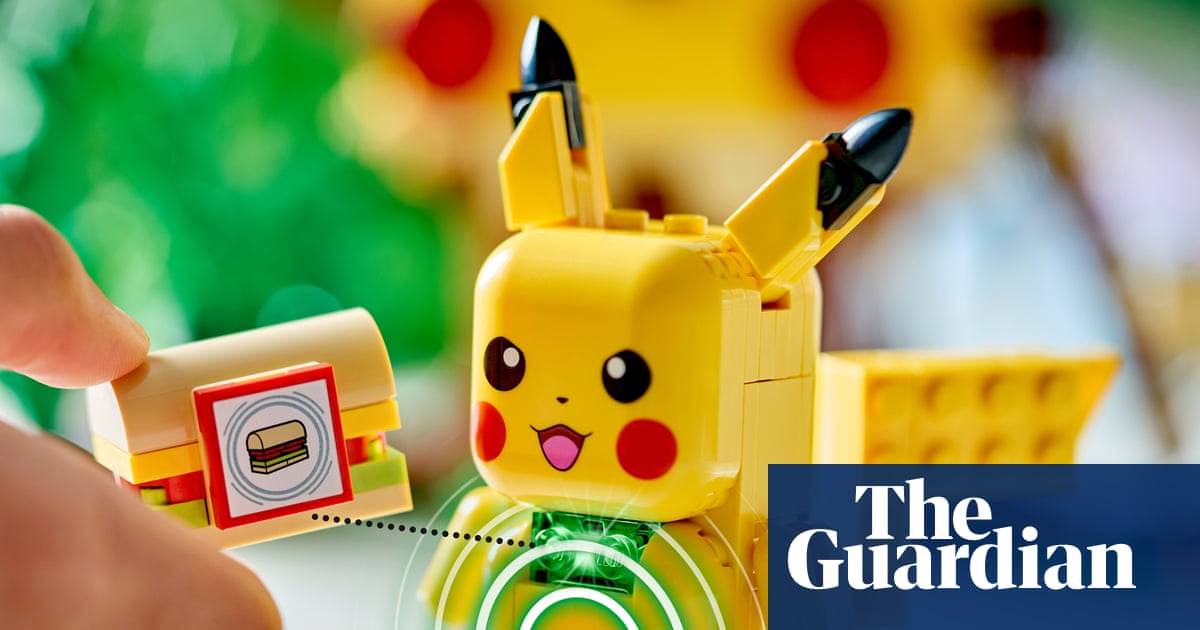
Lego Unveils Pokémon ‘Smart’ Bricks for Interactive Battles
In a groundbreaking move that merges childhood nostalgia with cutting-edge technology, Lego has introduced a new line of Pokémon-themed building sets equipped with smart play features. These innovative bricks allow users to engage in dynamic, interactive battles, blending physical construction with digital interactivity. The launch marks a significant step in the evolution of play, appealing to both longtime fans of the Pokémon franchise and tech-savvy consumers seeking immersive experiences.
The Innovation Behind the Smart Bricks
The latest Lego sets leverage advanced sensor technology to create a seamless blend of traditional building and digital gameplay. Each brick contains embedded sensors that communicate with a companion app, enabling features such as real-time battle tracking, character customization, and interactive challenges. For example, users can construct a Charizard model, program its abilities via the app, and then engage in virtual duels against other Pokémon creations. This integration of hardware and software represents a leap forward in how toys can foster creativity and engagement.
The technology behind these sets is rooted in Lego’s ongoing efforts to modernize its product line. Over the past decade, the company has experimented with digital elements, including augmented reality (AR) and coding kits. The Pokémon collaboration, however, is the first to focus explicitly on interactive gameplay, positioning Lego as a pioneer in the intersection of physical and digital play.
How the Technology Works
At the core of the smart bricks is a proprietary system that uses Bluetooth connectivity to link the physical sets with a mobile application. When users build a Pokémon model, the app recognizes the structure through a combination of image recognition and sensor data. This allows the app to assign specific attributes to the Pokémon, such as attack power, defense, and special moves. Players can then challenge friends or compete against AI-driven opponents, with the app dynamically adjusting battle outcomes based on the bricks’ configurations.
One of the standout features is the ability to “train” Pokémon within the app. By completing challenges or solving puzzles, users can enhance their digital Pokémon’s abilities, mirroring the progression systems found in popular Pokémon video games. This element adds a layer of strategy, encouraging players to experiment with different builds and tactics.
Who Is Involved and Why It Matters
The collaboration between Lego and Pokémon is a strategic partnership that taps into two of the most iconic brands in entertainment and play. Lego, known for its modular building systems, has long sought to expand its appeal beyond traditional construction toys. Meanwhile, Pokémon, a global phenomenon with a massive fanbase, aims to diversify its merchandise offerings to include more interactive and tech-integrated products.
This partnership also reflects broader trends in the toy industry. As children’s screen time increases, manufacturers are under pressure to create products that balance digital engagement with hands-on activities. The smart bricks address this by offering a hybrid experience that satisfies both creative and competitive instincts.
Target Audience and Market Positioning
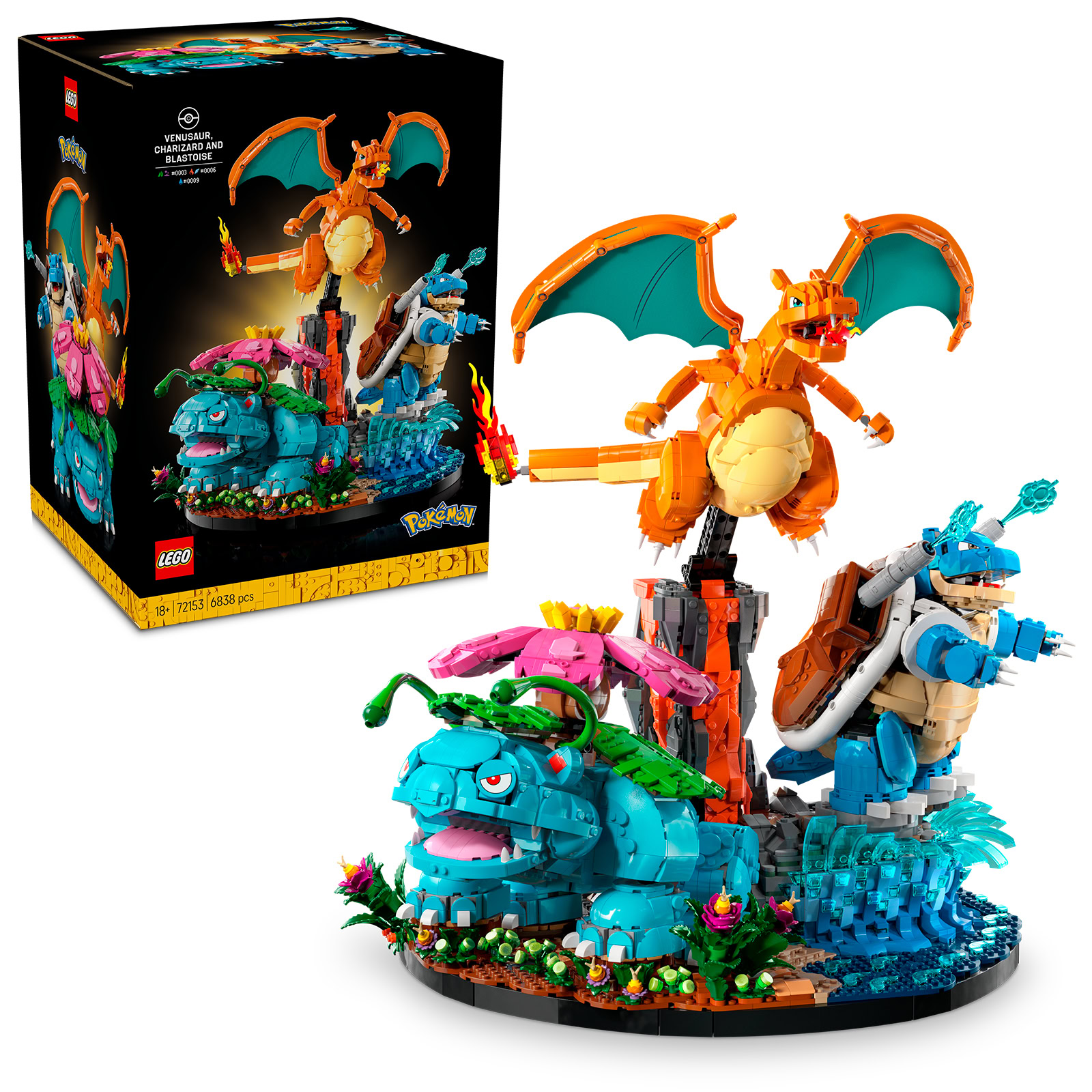
The sets are designed to appeal to a wide demographic, from young children to adult collectors. For younger users, the interactive battles provide an engaging way to learn problem-solving and strategic thinking. For older fans, the sets offer a nostalgic yet modernized way to interact with beloved Pokémon characters. The inclusion of popular Pokémon like Charizard, Lapras, and Pikachu ensures broad appeal across age groups.
From a business perspective, the collaboration is a calculated risk. While the smart bricks may carry a higher price point than traditional sets, their unique features position them as premium products. Analysts suggest that the success of this line could influence future toy development, encouraging other brands to explore similar hybrid models.
Context and Broader Implications
The release of these smart bricks comes at a time when the toy industry is undergoing significant transformation. The rise of streaming services and video games has shifted consumer habits, prompting companies to rethink how they deliver value. Lego’s move into interactive play aligns with this shift, offering a solution that bridges the gap between physical and digital entertainment.
the partnership highlights the growing importance of cross-industry collaborations. By combining Lego’s engineering expertise with Pokémon’s cultural capital, the companies are creating a product that resonates on multiple levels. This approach could set a precedent for future ventures, where brands from different sectors collaborate to innovate and expand their reach.
Reactions and Expert Insights
The initial response to the smart bricks has been largely positive. Tech and toy reviewers have praised the seamless integration of hardware and software, noting that the app’s interface is intuitive and engaging. However, some critics have raised concerns about the reliance on digital components, arguing that it may detract from the tactile experience that traditional Lego sets offer.
Experts in child development have also weighed in, emphasizing the potential educational benefits. Dr. Emily Carter, a developmental psychologist, stated, “These sets encourage a blend of creativity and critical thinking. Children aren’t just building models; they’re strategizing and adapting, which are essential skills.” However, she cautioned against over-reliance on digital elements, suggesting that a balance between screen time and physical play is crucial.
Key Takeaways and What to Watch For
The launch of Lego’s Pokémon smart bricks represents a significant milestone in the toy industry. By combining physical construction with digital interactivity, the sets redefine what is possible in play. Here are some key points to consider:
- Hybrid Play Model: The smart bricks exemplify the growing trend of blending physical and digital elements in toys, offering a unique experience that caters to diverse preferences.
- Brand Collaboration: The partnership between Lego and Pokémon underscores the value of cross-industry alliances in driving innovation and expanding market reach.
- Educational Potential: The sets have the potential to enhance cognitive skills through strategic gameplay and problem-solving, though their effectiveness depends on how they are used.
- Market Impact: If successful, this line could influence future toy development
