---945x532.jpg?sfvrsn=73000500_2 "radiotherapy-imrt-(photo-jan-chlebik-the-icr)—945×532.jpg")
Thousands of Men with Prostate Cancer Will Now Be Offered High-Powered Radiotherapy on the NHS – The Institute of Cancer Research (ICR)
Thousands of men with localized prostate cancer will now have access to high-powered radiotherapy through the NHS, following advancements supported by the Institute of Cancer Research (ICR). This treatment, known as Stereotactic Ablative Radiotherapy (SABR), allows for higher doses of radiation to be delivered in fewer sessions, significantly reducing the time patients spend in hospitals compared to conventional radiotherapy schedules.
What is the high-powered radiotherapy being offered on the NHS?
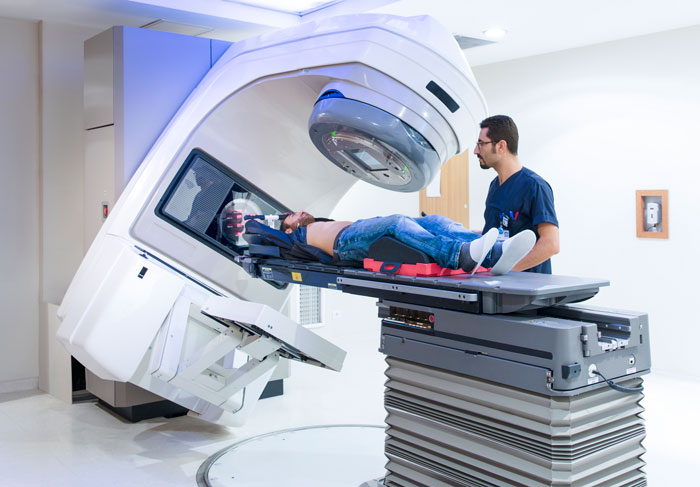
The treatment being rolled out is Stereotactic Ablative Radiotherapy (SABR), also referred to as Stereotactic Body Radiotherapy (SBRT). According to Cancer Research UK, this method uses highly precise, high-dose radiation beams to target tumors. Unlike traditional radiotherapy, which often requires patients to attend daily appointments over several weeks, SABR delivers a more concentrated dose of radiation in a much shorter timeframe.
The Institute of Cancer Research (ICR) has been central to the development and validation of these techniques. The high-powered nature of the treatment allows clinicians to destroy cancer cells with greater precision while minimizing the impact on surrounding healthy tissue. This precision is achieved through advanced imaging and tracking technology that ensures the beam remains locked on the prostate, even as the patient breathes or moves slightly during the session.
- Precision: Uses advanced imaging to target the tumor with millimeter accuracy.
- Intensity: Delivers higher doses of radiation per fraction than standard treatment.
- Efficiency: Reduces the total number of treatment sessions from dozens to just a few.
How does SABR differ from traditional prostate cancer radiotherapy?
Traditional radiotherapy for prostate cancer typically involves “fractionation,” where small doses of radiation are delivered daily for five to eight weeks. This approach is designed to allow healthy cells to recover between sessions. However, SABR changes this dynamic by using “hypofractionation,” delivering much larger doses in far fewer visits.
According to reports from AuntMinnie, single-fraction SBRT has emerged as a valid option for localized prostate cancer, meaning some patients may only require one single, high-powered session rather than a series of treatments. This represents a significant shift in the clinical approach to early-stage prostate cancer management.
| Feature | Traditional Radiotherapy | SABR / SBRT |
|---|---|---|
| Number of Sessions | 20 to 40 visits | 1 to 5 visits |
| Treatment Duration | Several weeks | A few days or a single visit |
| Dose per Session | Low to Moderate | High (Ablative) |
| Precision Level | Standard | Ultra-high precision |
Who is eligible for this high-powered treatment?
This specific radiotherapy offering is not for every prostate cancer patient. According to Healthcare Today, the treatment is primarily targeted at men with localized prostate cancer. Localized cancer is defined as cancer that has not spread outside the prostate gland.
Clinicians determine eligibility based on several factors, including the grade of the tumor and the patient’s overall health. For those with early-stage, low-to-intermediate risk localized cancer, SABR provides a non-surgical alternative that offers similar outcomes to traditional radiation or surgery but with a reduced burden on the patient’s daily life.
The rollout aims to target thousands of men who meet these clinical criteria, ensuring that those who can benefit from a shorter, more intense course of treatment are prioritized. This strategy aligns with government targets to improve cancer survival rates and streamline patient pathways across the NHS.
Why the reduction in treatment time is significant
The transition to SABR is not merely about convenience; it has systemic implications for both the patient and the healthcare provider. Cancer Research UK notes that slashing the time needed to treat early-stage prostate cancers removes a massive logistical hurdle for patients, many of whom are older or live far from specialized radiotherapy centers.
The benefits of reduced treatment duration include:
- Reduced Travel: Patients avoid the financial and physical strain of commuting to a hospital 20 or 30 times.
- Lower Psychological Stress: A shorter treatment window reduces the period of “patienthood” and the anxiety associated with prolonged clinical visits.
- Increased NHS Capacity: By treating a patient in one to five sessions instead of thirty, radiotherapy machines are freed up more quickly, potentially reducing waiting lists for other cancer patients.
“SABR radiotherapy slashes the time needed to treat some early-stage prostate cancers,” according to reports from Cancer Research UK, emphasizing the efficiency gain for the healthcare system.
The role of the Institute of Cancer Research (ICR) and clinical validation
The availability of this treatment on the NHS is the result of rigorous clinical testing and research. The Institute of Cancer Research (ICR) has played a pivotal role in providing the evidence base required for the NHS to adopt these high-powered protocols. For a treatment to be offered on the NHS, it must demonstrate that it is not only effective but also cost-effective and safe compared to existing standards of care.
Research into SBRT has focused on “toxicities,” or side effects. Because the radiation is so high-powered, there was initial concern regarding damage to the bladder and rectum. However, the precision enabled by the ICR’s research and modern imaging has allowed doctors to “shape” the radiation beam more tightly around the prostate, reducing the risk of collateral damage.
The validation of single-fraction SBRT, as highlighted by AuntMinnie, is a particularly important milestone. It proves that for a specific subset of patients, a single massive dose can be as effective as multiple smaller doses, provided the targeting is absolute.
Implications for UK cancer care and government targets
The introduction of SABR into standard NHS care is part of a broader effort to modernize cancer treatment in the UK. Healthcare Today indicates that government targets regarding prostate cancer are focusing on faster diagnosis and more efficient treatment pathways. By integrating high-powered radiotherapy, the NHS can move patients through the “treatment pipeline” more rapidly.

This shift mirrors a global trend toward “personalized medicine,” where the intensity and duration of treatment are tailored to the specific characteristics of the tumor. Rather than a one-size-fits-all approach of eight weeks of radiation, patients are now sorted into pathways—some receiving active surveillance, some traditional radiation, and thousands now receiving SABR.
The long-term impact may include a reduction in the need for inpatient stays and a decrease in the overall cost per patient treated, as the administrative and operational overhead of 30 visits is far higher than that of five.
Common misconceptions about high-powered radiotherapy
Because the term “high-powered” is used, some patients may fear that the treatment is more dangerous or causes more side effects than traditional radiation. However, clinical data suggests otherwise.
Misconception: More power equals more damage.
While the dose per session is higher, the total amount of radiation delivered to the surrounding healthy tissue is often lower because the treatment is delivered over a much shorter period and with far greater precision. The “ablative” nature of the dose is designed to kill the tumor cells instantly rather than wearing them down over weeks.
Misconception: It is a replacement for surgery.
SABR is an alternative to surgery (prostatectomy) and traditional radiation. It is not “better” than surgery for everyone, but it offers a non-invasive option for those who cannot undergo surgery or who prefer to avoid the risks associated with general anesthesia and surgical recovery.
Misconception: It is only for “terminal” cases.
In reality, this treatment is specifically for localized cancer. It is a curative-intent treatment designed to stop the cancer from spreading, not a palliative treatment for advanced disease.
Comparing the patient journey: Traditional vs. SABR
To understand the real-world impact, one can look at the patient journey from diagnosis to completion of treatment. A man diagnosed with localized prostate cancer under the old standard would face a grueling schedule of daily hospital visits, often requiring time off work or assistance with transport for two months.
Under the new protocol involving the ICR’s research, that same patient may enter the clinic for a planning session and then return for a small handful of treatments—or even just one. This removes the “treatment fatigue” that often accompanies long-term radiotherapy.
For further information on how these pathways are managed, readers may find a related explainer on NHS cancer pathways useful for understanding how patients are referred to these specialized centers.
Frequently Asked Questions
What is the main difference between SABR and standard radiotherapy?
The primary difference is the dose and duration. SABR delivers much higher doses of radiation per session, which allows the entire course of treatment to be completed in one to five visits, compared to the 20 to 40 visits required for standard radiotherapy.
Is SABR available for all types of prostate cancer?
No. According to reports from Healthcare Today and the ICR, SABR is currently offered to men with localized prostate cancer, meaning the cancer is confined to the prostate gland and has not spread to other parts of the body.

Does high-powered radiotherapy cause more side effects?
Not necessarily. While the dose per session is higher, the increased precision of SABR helps protect surrounding organs like the bladder and rectum. The overall side-effect profile is generally comparable to traditional radiotherapy, though the experience of the treatment is much shorter.
How did the Institute of Cancer Research (ICR) contribute to this?
The ICR provided the critical research and clinical evidence needed to prove that high-powered, short-course radiotherapy is safe and effective. Their work helped establish the protocols that the NHS now uses to offer this treatment to thousands of men.
Will this treatment be free on the NHS?
Yes, as the treatment is being offered “on the NHS,” it is available to eligible patients free at the point of use, provided they meet the clinical criteria for localized prostate cancer.
The integration of Stereotactic Ablative Radiotherapy into the NHS represents a shift toward more efficient, patient-centric cancer care. By leveraging the research from the Institute of Cancer Research (ICR), the healthcare system can now offer a treatment that reduces the burden on patients while maintaining high clinical standards for the treatment of localized prostate cancer.
