
A Russian official confirmed the death of a woman linked to President Vladimir Putin in a statement released Thursday, marking the latest development in a high-profile case that has drawn international attention. The revelation comes amid ongoing scrutiny of Putin’s personal life and the broader implications for Russian political dynamics.
How the Revelation Unfolds
The woman, identified in Russian media as a long-time associate of Putin, was reported to have died under unspecified circumstances. A government spokesperson stated that the death was “a private matter” and declined to provide further details. However, the announcement has reignited discussions about the president’s personal relationships and their potential influence on his public decisions.
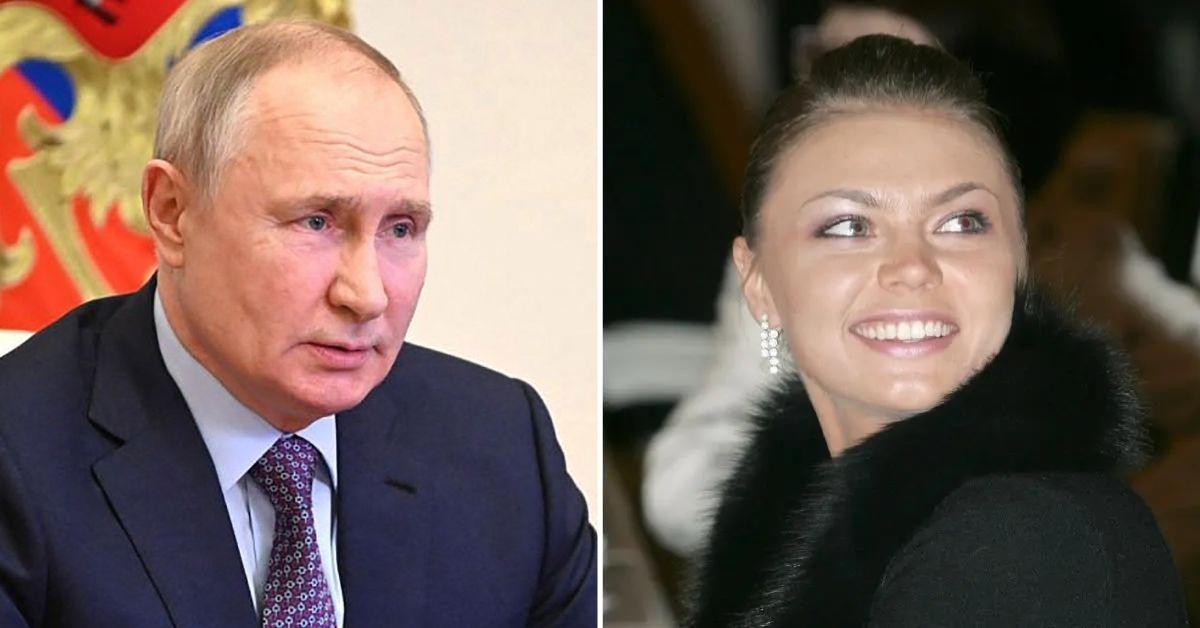
Local media outlets have published photographs and biographical details of the woman, describing her as a former model and businesswoman who maintained a low public profile. Analysts suggest that her death could signal shifts in the inner circle of power within the Kremlin, though no official connections to political maneuvering have been confirmed.
What This Means for Domestic Politics
The incident has sparked conversations about the role of personal relationships in Russian governance. Political analysts note that figures close to Putin often operate in the shadows, with their influence rarely acknowledged publicly. “This case underscores the opacity of decision-making processes in Moscow,” said Dr. Anya Volkova, a researcher at the Institute of Political Studies. “The lack of transparency makes it difficult to assess the full impact of such events.”
Public reaction has been mixed. While some citizens expressed sympathy for the woman’s family, others questioned the focus on personal matters amid broader economic and social challenges. A survey conducted by the Levada Center found that 58% of respondents considered the story irrelevant to national issues, while 32% viewed it as a distraction from pressing concerns.
International Reactions
Foreign governments have largely avoided direct commentary on the matter. The U.S. State Department issued a brief statement noting that “the situation is under review,” while the European Union refrained from making public remarks. Diplomatic sources indicated that the incident is not expected to affect ongoing negotiations with Russia on key issues such as Ukraine and energy exports.
Human rights organizations have called for greater transparency surrounding the woman’s death. “It is crucial to ensure that all individuals, regardless of their association with political figures, are treated with dignity and that investigations are conducted impartially,” said a spokesperson for Amnesty International.
Historical Context
Personal scandals involving Russian leaders are not unprecedented. Former President Boris Yeltsin’s wife, Naina Yeltsina, faced public scrutiny during his tenure, and more recently, the wife of Moscow Mayor Sergei Sobyanin has been a subject of media interest. However, cases involving the sitting president remain particularly sensitive due to the concentration of power and the potential for perceived conflicts of interest.
Experts suggest that the current administration is likely to manage the narrative carefully. “The Kremlin has a history of controlling information about its leaders’ private lives,” said Professor Michael Smith, a specialist in Eurasian politics. “This incident will probably be handled with the same discretion as previous similar cases.”
The situation remains fluid, with further updates expected as investigations continue. For now, the focus remains on understanding the full context of the woman’s death and its potential ramifications for Russian politics.
