
Health officials in Canada are investigating whether passengers on a Toronto-to-Montreal flight may have been exposed to measles, raising concerns about the highly contagious virus’s potential spread during air travel.
According to public health authorities, the exposure occurred on a flight operated by Air Canada between Toronto Pearson International Airport and Montréal-Trudeau Airport on March 12. The source of the infection has not been publicly identified, but officials confirmed that the affected individual was infectious during the flight.
Who Is at Risk and How Measles Spreads
Measles spreads through the air when an infected person coughs or sneezes, and the virus can linger in the air or on surfaces for up to two hours. The disease is particularly dangerous for unvaccinated children, pregnant women, and immunocompromised individuals, who face a higher risk of severe complications such as pneumonia or encephalitis.
Public health officials have not yet released the flight details, including the specific airline, flight number, or seating arrangement. However, they have urged passengers who traveled on that flight to monitor their health for symptoms, which typically appear 7 to 21 days after exposure. Symptoms include high fever, cough, runny nose, red eyes, and a rash that starts on the face and spreads to the rest of the body.
What Passengers Should Do Next
Travelers who were on the flight are being advised to contact their local public health unit if they develop symptoms within the next three weeks. Health officials emphasize that measles is preventable through vaccination, and the two-dose MMR (measles, mumps, and rubella) vaccine is highly effective at protecting against the virus.
“If you were on that flight and are unsure about your vaccination status, this is a good opportunity to check with your healthcare provider,” said a spokesperson for the Public Health Agency of Canada. “Vaccination is the best way to prevent measles and protect yourself and others.”
Why This Outbreak Matters in Canada
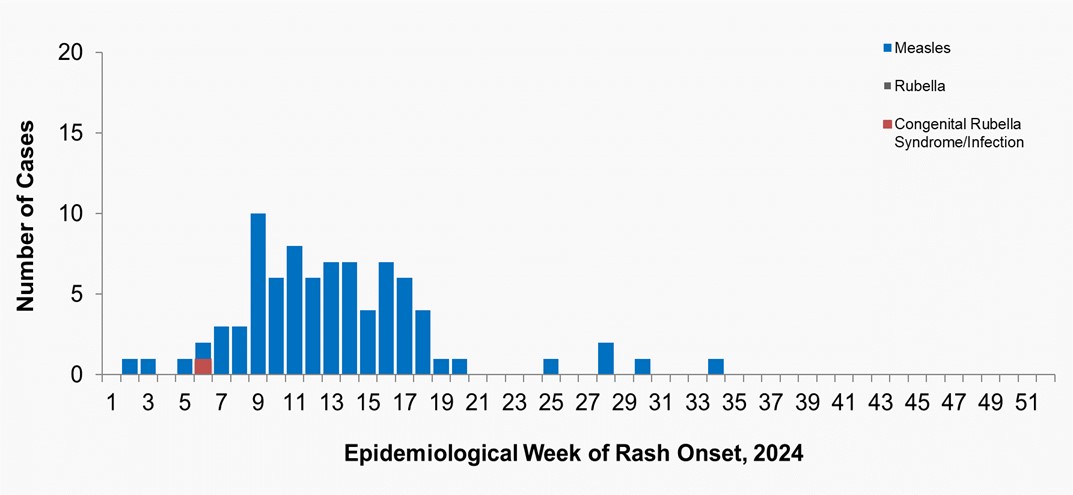
Canada has seen a resurgence of measles cases in recent years, with outbreaks linked to international travel and unvaccinated communities. In 2023, there were 24 confirmed cases nationwide, a sharp increase from previous years when measles was considered eliminated in the country. The World Health Organization declared Canada free of endemic measles transmission in 2016, but cases have since re-emerged due to declining vaccination rates in some regions.
Air travel poses a unique risk for infectious diseases because of the confined space and prolonged exposure to potentially infected individuals. Health officials stress that while the risk of measles transmission on a single flight is low, the consequences of an outbreak—especially in unvaccinated populations—can be severe.
What Officials Recommend for Travelers
Public health authorities are urging travelers to take the following steps:
- Check vaccination status: Ensure you have received two doses of the MMR vaccine, with the second dose given at least 28 days after the first.
- Monitor symptoms: Watch for measles symptoms for up to three weeks after exposure. If symptoms develop, seek medical attention immediately and inform healthcare providers about potential exposure.
- Avoid travel if sick: Individuals with respiratory symptoms should delay non-essential travel to prevent spreading illness.
- Report concerns: Passengers who believe they may have been exposed can contact their provincial or territorial health authority for guidance.
While the investigation is ongoing, health officials have not issued a broader travel advisory for Canada. However, they continue to monitor the situation closely and will provide updates as more information becomes available.
What’s Next for Public Health Response
Public health teams are working to identify all passengers on the affected flight and assess their vaccination status. If needed, post-exposure vaccination may be recommended for unvaccinated or partially vaccinated individuals who were exposed. Officials are also reviewing airline protocols to ensure measures are in place to minimize the risk of infectious disease transmission during flights.
For now, the focus remains on containment and public awareness. “Our priority is to prevent further spread while ensuring those at risk are informed and protected,” said the spokesperson.
