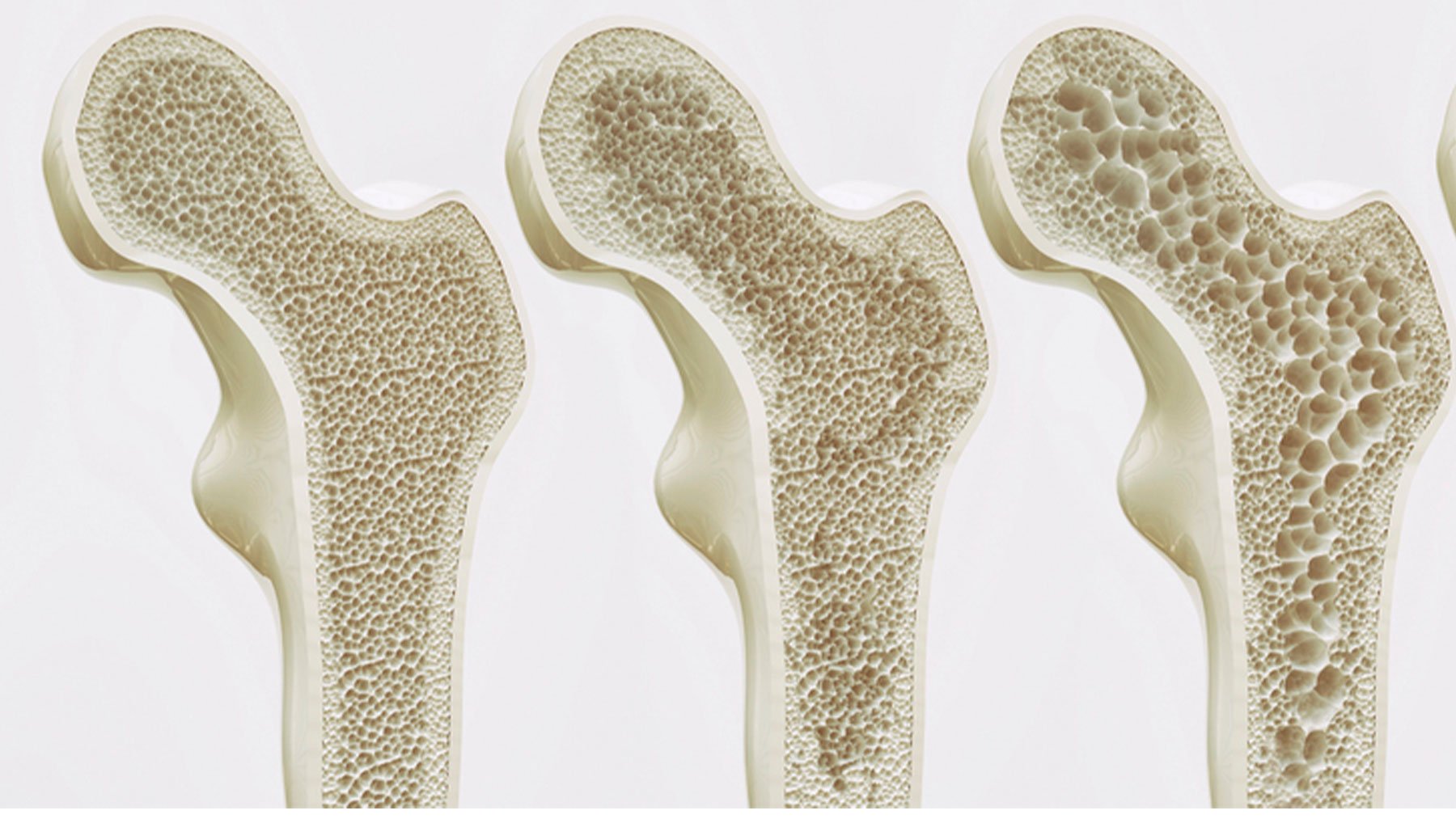
Patients who experience an osteoporotic fracture face an especially high risk of subsequent fractures within the following two years, according to rheumatologist Montserrat Robustillo. To combat the growth of the disease, Robustillo and other health experts advocate for strength training and a healthy diet to prevent or delay osteoporosis.
- High-Risk Window: The two years following an initial osteoporotic fracture are the most critical for preventing a second break.
- Preventative Measures: Strength training and nutritional interventions are primary keys to maintaining bone density.
- Clinical Shift: Medical experts are calling for a more proactive approach to anticipate fracture risks in patients.
Why the First Two Years After a Fracture Are Critical
The period immediately following a bone break is a high-danger zone for patients with osteoporosis. According to rheumatologist Montserrat Robustillo, the risk of suffering another fracture is especially elevated during the two years following an initial osteoporotic event.

“The risk of fracturing again is especially high during the two years following an osteoporotic fracture.”
— Montserrat Robustillo, rheumatologist
This window requires intensified clinical attention to prevent a cycle of repeated injuries that can severely limit patient mobility and quality of life.
How Strength Training and Diet Prevent Bone Loss
Preventing or delaying the onset of osteoporosis relies heavily on lifestyle interventions. Robustillo identifies strength training and a healthy diet as the fundamental pillars for protecting bone health.
Strength training places mechanical stress on the bones, which encourages the body to increase bone density and strength. When combined with proper nutrition, these habits help slow the “unstoppable growth” of the disease, according to reports on current osteoporosis trends.
The Push for Proactive Fracture Risk Assessment
Medical experts are urging a shift in how osteoporosis is managed, moving from reactive treatment to early anticipation. According to reports from medical professionals, there is a pressing need to anticipate the risk of fracture in patients before a break occurs.
This proactive approach aims to identify high-risk individuals earlier, allowing for the implementation of strength and dietary interventions before the bone structure is compromised. Experts argue that anticipating these risks is the only way to effectively curb the rising incidence of the condition.
