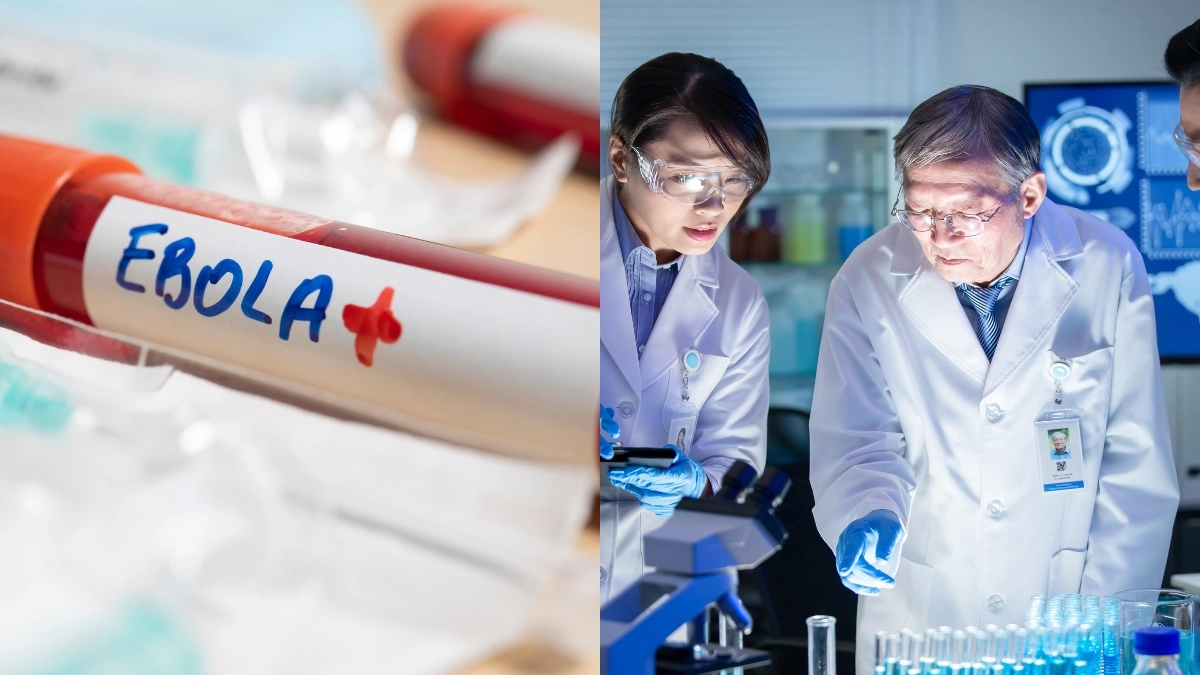
A 2026 Ebola outbreak has recorded over 900 cases and more than 200 deaths, triggering an emergency vaccine development effort by IAVI, Moderna, and Oxford. According to health reports, human trials for these candidates may take two to three months, while the World Health Organization warns that widespread availability will take longer.
- Total Cases: 900+
- Reported Deaths: 139 to 200+
- Developing Entities: IAVI, Moderna, and Oxford
- Trial Timeline: Two to three months for human testing
How many people are affected by the outbreak?
The scale of the current crisis varies slightly across reports. According to EL TIEMPO, the outbreak has surpassed 900 cases and resulted in more than 200 deaths. However, Reporte Indigo cites a lower figure, stating that the outbreak in Congo has left 139 people dead.
Which vaccines are currently in development?
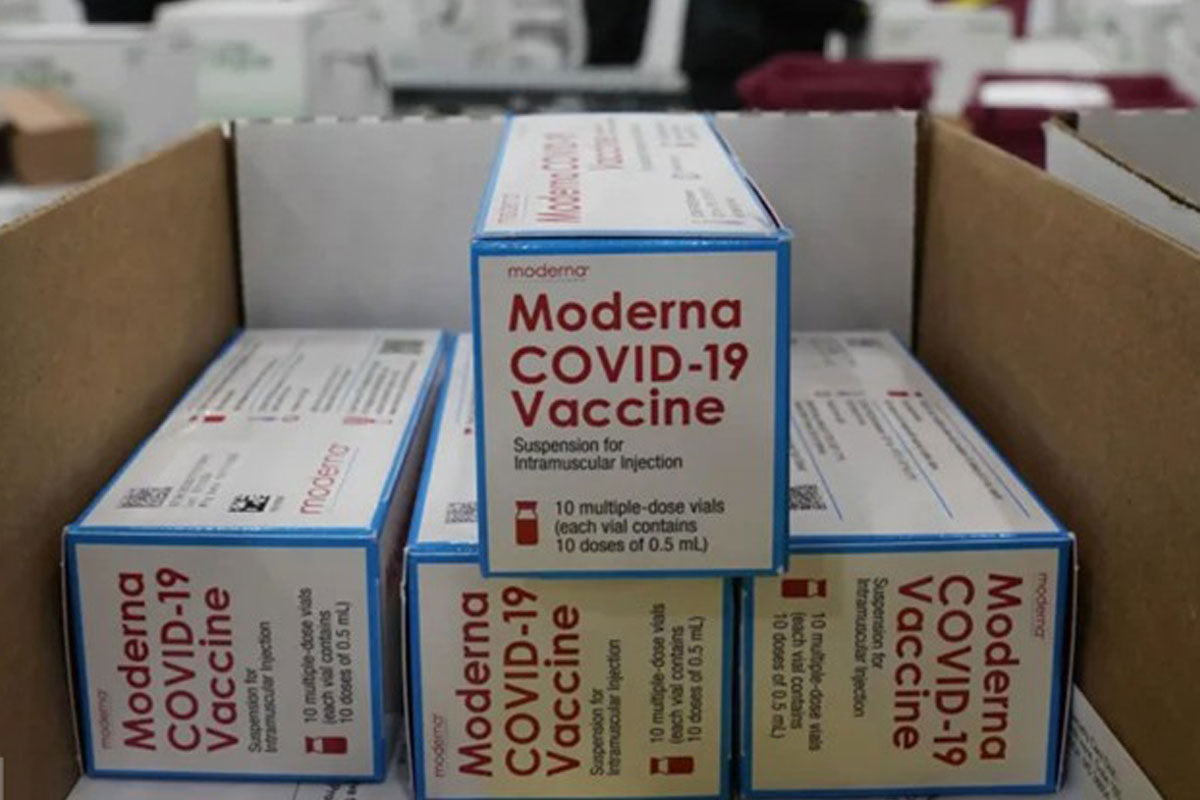
Three separate organizations are working on a response to the crisis. IAVI, Moderna, and Oxford are developing vaccines to curb the spread of the virus. Moderna is specifically focusing on an mRNA vaccine, a technology that health reports suggest could be the primary tool to stop the current crisis.
The urgency of the situation has created a “race against time” for African health systems. According to Infobae, the transition to human trials is the next critical step, a process that could take between two and three months.
Why is the vaccine timeline a concern?
Despite the rapid development of mRNA and other candidates, the World Health Organization (WHO) has issued a warning that the vaccines will take several months to be fully ready for deployment. This gap between the start of human trials and widespread distribution leaves a window of vulnerability for the affected populations in Congo.
Human trials could take “two to three months.”
Infobae
What remains uncertain?
While the mRNA approach is highlighted as a potential solution to freeze the crisis, the exact efficacy of the three competing vaccines remains unknown until human trials are completed. Public health authorities have not yet specified the exact distribution plan or the criteria for prioritizing the first rounds of vaccination once the WHO clears the candidates for use.
