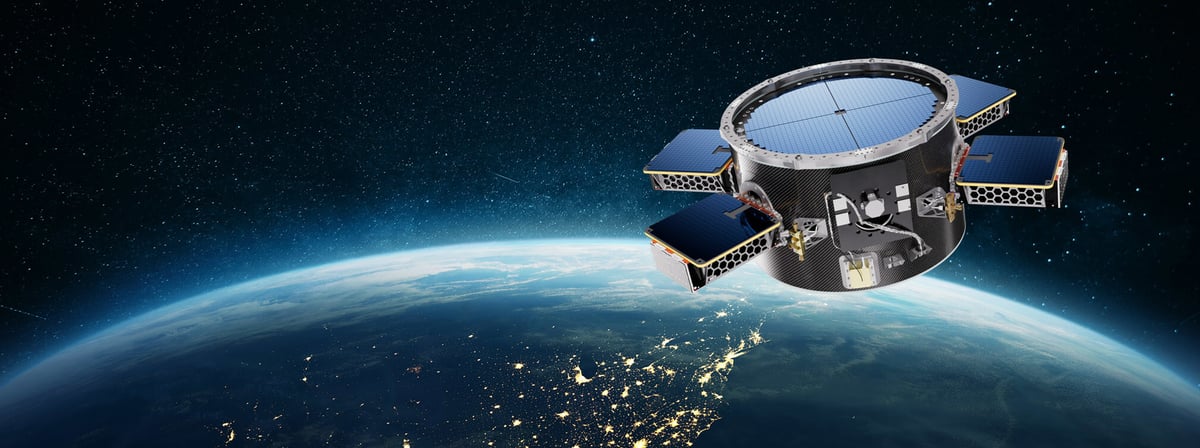
NASA Hires Firefly Aerospace to Build a Drone Aircraft Carrier — to the Moon: Details on the $75 Million MoonFall Project
NASA’s Jet Propulsion Laboratory (JPL) has awarded a $75 million subcontract to Firefly Aerospace to develop a system for delivering drones to the lunar south pole, according to reports from Investing News Network and Yahoo. This “MoonFall” project creates a delivery mechanism—essentially a drone aircraft carrier—designed to deploy autonomous aircraft for high-resolution exploration of the Moon’s most rugged and inaccessible terrain.
What is the MoonFall project and Firefly Aerospace’s role?
The MoonFall project is a specialized initiative managed by NASA’s Jet Propulsion Laboratory aimed at overcoming the “last mile” problem of lunar exploration. According to Investing News Network, Firefly Aerospace, an Austin-based aerospace company, secured a $75 million subcontract to build the infrastructure necessary to transport and launch drones on the lunar surface.
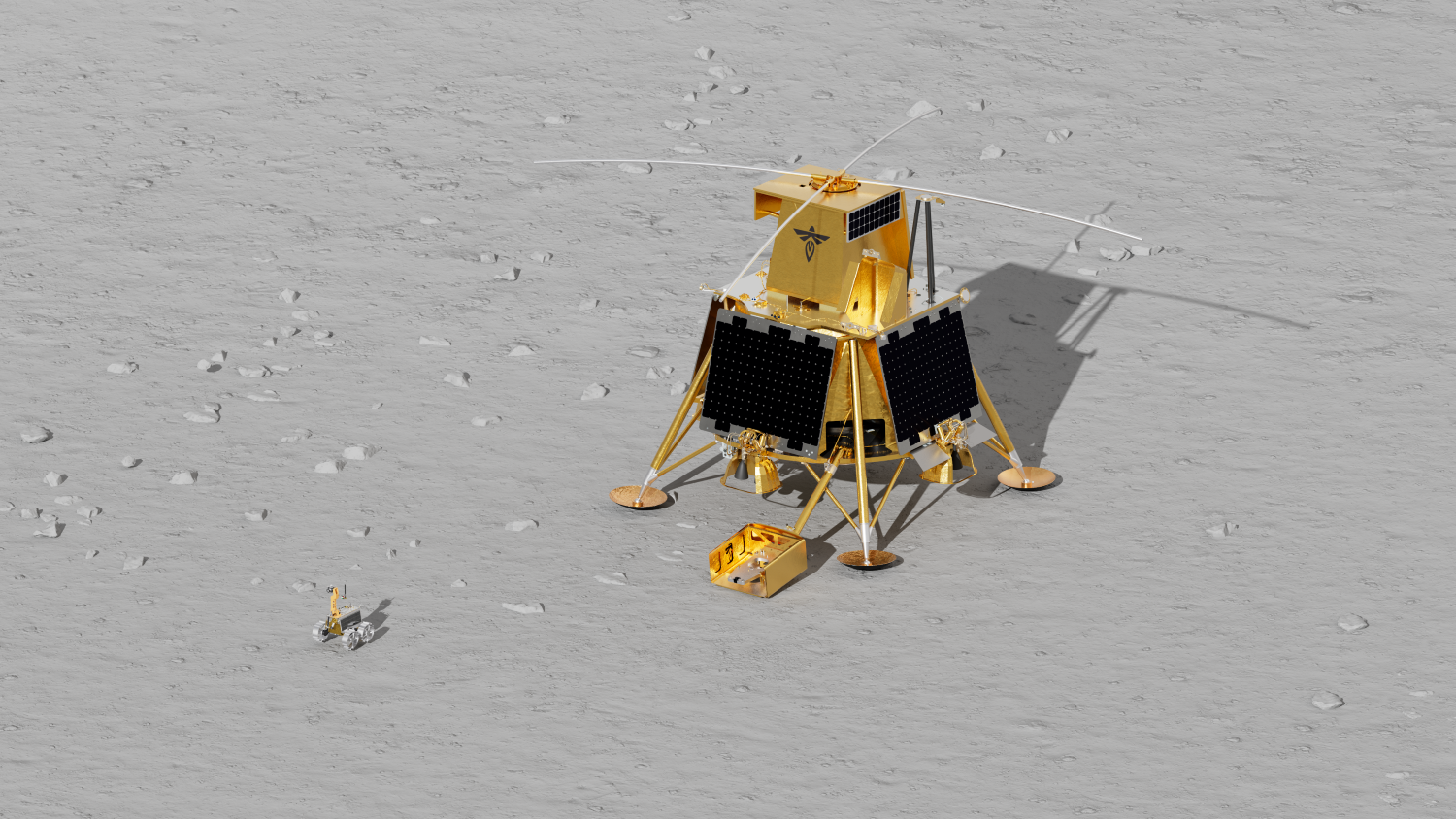
The core of the mission involves a “carrier” system. Rather than attempting to land drones directly in hazardous craters, Firefly will provide a primary landing vehicle that acts as a hub. Once this carrier touches down, it will deploy smaller, autonomous drones to scout the surrounding area. This method reduces the risk to the primary mission hardware while allowing for wide-area reconnaissance.
Key objectives of Firefly’s involvement include:
- Designing a robust delivery vehicle capable of surviving the lunar landing.
- Developing the deployment mechanism for autonomous drones.
- Ensuring the drones can navigate the specific gravitational and environmental conditions of the lunar south pole.
The selection of an Austin-based firm like Firefly Aerospace highlights NASA’s increasing reliance on the “New Space” economy, shifting from internal development to strategic subcontracts with private aerospace entities to accelerate mission timelines.
Why is the lunar south pole the target for drone deployment?
NASA has prioritized the lunar south pole due to the presence of permanently shadowed regions (PSRs). According to reporting from Yahoo and Investing News Network, these regions are believed to contain significant deposits of water ice. Water is a critical resource for any permanent human presence on the Moon, as it can be converted into oxygen for breathing and hydrogen for rocket fuel.
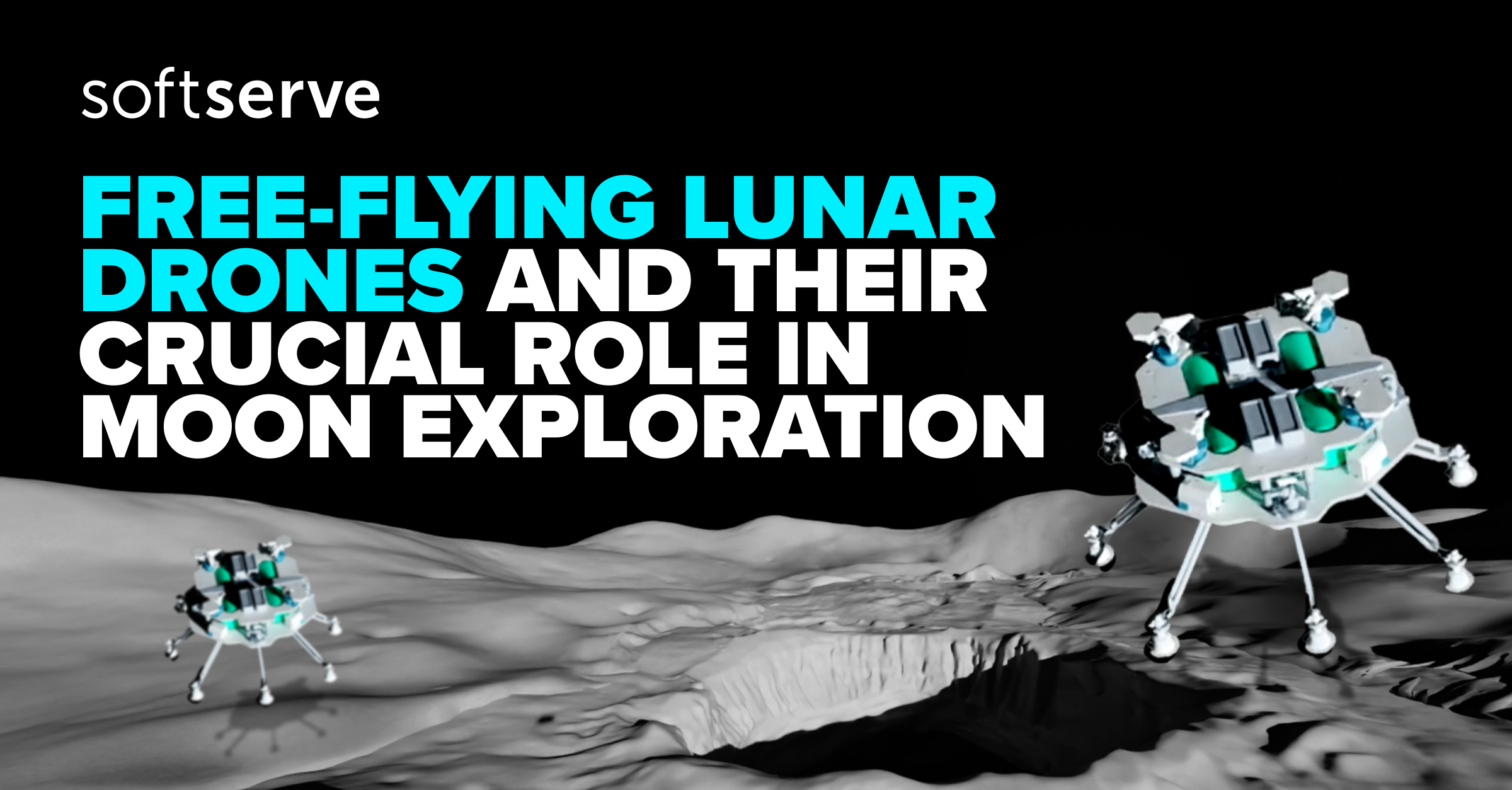
The terrain at the south pole is notoriously difficult. Deep craters and jagged cliffs make traditional wheeled rovers inefficient or prone to failure. Drones provide a solution by allowing sensors and cameras to fly over obstacles and enter craters that are physically unreachable by ground vehicles.
The strategic value of the south pole can be broken down into three primary factors:
- Resource Acquisition: Identifying the exact location and concentration of water ice.
- Topographic Mapping: Creating high-resolution 3D maps of the PSRs to identify safe landing sites for future human missions.
- Scientific Sampling: Accessing ancient lunar material trapped in cold traps that have remained undisturbed for billions of years.
How does this fit into NASA’s phased plan for a permanent moon base?
The MoonFall project is not a standalone mission but a component of a broader, phased strategy to establish a permanent human presence on the Moon. According to eeNews Europe, NASA is outlining a multi-stage plan to transition from short-term visits to a sustainable lunar base.
The drones provided by Firefly Aerospace serve as the “scouts” in this phased approach. Before NASA can commit the massive resources required for a permanent base, it needs precise data on where to build. The drone carrier system provides the necessary intelligence to place habitats and power plants in locations that maximize resource access while minimizing environmental risk.
| Phase | Primary Goal | Role of Drone Technology |
|---|---|---|
| Exploration | Mapping and Resource Identification | Scouting PSRs and mapping crater interiors. |
| Infrastructure | Establishing Power and Communications | Identifying optimal sites for solar arrays and antennas. |
| Sustainability | Permanent Habitation and Mining | Ongoing monitoring of resource extraction sites. |
This phased progression ensures that human astronauts do not land blindly in high-risk areas, using the autonomous capabilities of the Firefly system to clear the way for the Artemis missions.
What impact does the New Glenn timeline have on lunar infrastructure?
While the MoonFall project advances, the broader logistics of NASA’s lunar plans have faced volatility. SpaceNews reports that NASA’s plans for a moon base have undergone an “explosive rewrite” due to factors involving the New Glenn rocket, developed by Blue Origin.
The New Glenn is intended to be a heavy-lift vehicle capable of carrying the massive payloads required for a permanent base. However, delays or changes in the availability and performance of such heavy-lift vehicles force NASA to adjust its architecture. When the primary transport method changes, the sequence of delivery for components—including the Firefly drone carriers—must be recalibrated.
The dependency on private launch providers creates a ripple effect. If a heavy-lift rocket is delayed, NASA may have to:
- Break down base components into smaller, less efficient packages.
- Shift the timeline of “scouting” missions (like MoonFall) to align with new launch windows.
- Re-evaluate the mass and power constraints of the drones and carriers to fit available rocket fairings.
This dynamic illustrates the risk and reward of the public-private partnership model. While companies like Firefly can innovate quickly on specific tools, the overall mission timeline remains tethered to the development of the massive rockets required to get those tools to the Moon.
Comparing drone carriers to traditional lunar rovers
The shift toward a drone-based exploration model represents a significant departure from the Apollo-era and early 21st-century rover missions. While rovers have provided invaluable data, they are limited by the “terrain trap”—the inability to cross steep slopes or gaps.
According to the mission goals outlined in the MoonFall subcontract, the drone aircraft carrier approach offers several advantages over traditional rovers:
- Speed of Coverage: Drones can cover kilometers of territory in a fraction of the time it takes a rover to crawl across the regolith.
- Vertical Access: Drones can fly directly into the depths of permanently shadowed craters to sample ice, whereas rovers must navigate the rim and descend carefully.
- Risk Mitigation: If a single drone crashes, the “carrier” and the rest of the fleet remain operational. If a single rover gets stuck in a sand trap, the entire mission typically ends.
However, drones face challenges that rovers do not, specifically regarding power and propulsion in a vacuum. This is why the “carrier” aspect is so vital; the hub provides the charging and maintenance infrastructure that the drones cannot carry themselves.
The role of Firefly Aerospace in the lunar economy
Firefly Aerospace’s selection for this $75 million contract marks a significant milestone for the Austin-based company. By moving from launch vehicle development into specialized lunar infrastructure, Firefly is diversifying its portfolio within the lunar economy.
The company’s ability to execute the MoonFall project depends on its capacity to integrate complex robotics with aerospace transport. This contract places Firefly in a critical position within the NASA supply chain, acting as a bridge between the heavy-lift launch providers and the scientific instruments deployed on the surface.
Industry analysts suggest that the success of the MoonFall project could lead to further contracts for “last mile” lunar delivery. As NASA and other international agencies seek to build a permanent presence, the need for autonomous, agile delivery systems will likely increase, potentially turning the “drone carrier” concept into a standard piece of lunar infrastructure.
For those following the financial implications of these contracts, the “NASA Hires Firefly Aerospace to Build a Drone Aircraft Carrier — to the Moon – The Motley Fool” narrative highlights the intersection of government spending and private equity in the space sector. The $75 million award is a tangible indicator of how NASA is distributing its budget to foster a competitive ecosystem of private providers.
Frequently Asked Questions
What is the “drone aircraft carrier” for the Moon?
It is a primary landing vehicle developed by Firefly Aerospace under a $75 million NASA JPL subcontract. This vehicle acts as a hub that lands on the lunar surface and then deploys smaller, autonomous drones to explore the surrounding area, particularly the lunar south pole.
Why does NASA want to send drones to the Moon’s south pole?
The south pole contains permanently shadowed regions (PSRs) that likely hold water ice. Drones can access these deep, rugged craters more safely and efficiently than wheeled rovers, providing critical data for future human habitats.
How much is the Firefly Aerospace subcontract worth?
According to Investing News Network and Yahoo, the subcontract for the MoonFall project is valued at $75 million.
How does the New Glenn rocket affect NASA’s moon base plans?
As reported by SpaceNews, changes or delays associated with the New Glenn heavy-lift rocket have forced NASA to rewrite parts of its lunar base strategy, as the timing and capacity for delivering large-scale infrastructure are dependent on these launch vehicles.
Is this part of the Artemis program?
Yes, the delivery of drones and the mapping of the south pole are essential precursors to the Artemis missions, which aim to return humans to the lunar surface and establish a sustainable, permanent presence.
For more information on how private companies are reshaping space travel, see our related explainer on the New Space economy.
