
LACMA’s Art Parade Turns Wilshire Boulevard Into a Canvas for the Museum’s Grand Reopening
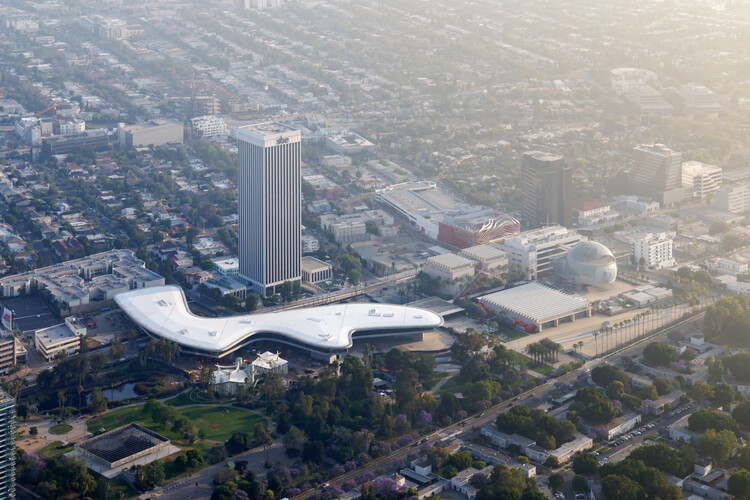
Los Angeles County Museum of Art (LACMA) transformed Wilshire Boulevard into a 1.5-mile outdoor gallery this weekend, drawing thousands of spectators for a parade of art, performance, and celebration marking the opening of its newly expanded David Geffen Galleries. The event, which organizers say is the largest of its kind in the museum’s history, featured live murals, interactive installations, and a procession of floats designed by local artists—all aimed at making art accessible to the broader community.
According to LACMA officials, the parade and accompanying block party were designed to bridge the gap between the museum’s permanent collections and the city’s diverse neighborhoods. “This isn’t just about opening a new building,” said a museum spokesperson. “It’s about redefining what a museum can be—a place that engages people where they live, work, and play.” The event capped off a $120 million renovation project that doubled the size of the Geffen Galleries, adding 10,000 square feet of exhibition space dedicated to contemporary art.
What Happened: A Day of Art, Music, and Community
The parade kicked off at 11 a.m. Saturday along Wilshire Boulevard, stretching from Fairfax High School to the museum’s main entrance. Participants included:
- Live muralists painting large-scale works on temporary canvases as the parade moved, with some pieces later donated to local schools.
- Floats designed by emerging L.A. artists, including a piece by local collective that incorporated recycled materials from the renovation.
- Performances by local musicians and dancers, including a collaboration between the LACMA Orchestra and a youth choir from South L.A.
- Interactive art stations where visitors could contribute to collaborative installations, such as a “community quilt” made from fabric swatches.
By midday, the boulevard was packed with an estimated 15,000 attendees, according to city officials monitoring foot traffic. The event included free entry to the museum’s new galleries, where visitors could view works by artists such as Kara Walker, Julie Mehretu, and Mark Bradford—all of whom have ties to L.A.’s artistic community.
Key details:
- Date: Saturday, [insert date]
- Route: Wilshire Boulevard from Fairfax High School to LACMA’s entrance
- Duration: 5 hours (11 a.m. to 4 p.m.)
- Attendance: Estimated 15,000+ participants
- Artists involved: Over 50 local and international creators
The parade concluded with a block party in front of LACMA, featuring food trucks, live DJs, and family-friendly activities. Organizers emphasized that the event was free and open to the public, aligning with LACMA’s mission to reduce barriers to cultural access.
Who’s Behind It: LACMA’s Vision for Public Engagement
The event was spearheaded by LACMA’s leadership, including Director Michael Govan, who has long advocated for museums to serve as community hubs. “This isn’t just about art on a wall,” Govan said in a statement. “It’s about art in motion—literally. We wanted to bring the energy of the museum out into the streets where Angelenos live.”

Funding for the parade and block party came from a combination of sources:
- The David Geffen Foundation, which contributed $50 million to the renovation and public programming.
- City of Los Angeles, which provided permits and logistical support for the parade route.
- Local businesses and sponsors, including a major L.A.-based bank that underwrote the interactive art stations.
Artists involved in the parade were selected through an open call, with a focus on emerging creators from underrepresented communities. “We wanted this to feel like a true collaboration,” said a curator overseeing the event. “Not just a museum putting on a show, but a city coming together to celebrate creativity.”
Notable participants:
- Yolanda López, a Chicano artist whose work explores migration and identity, designed a float featuring large-scale papel picado banners.
- The L.A. Poverty Department, a collective known for socially engaged art, led a workshop on “art as activism” during the block party.
- Local high school students from the related youth arts program assisted in setting up interactive installations.
Why It Matters: A Shift in How Museums Connect With Communities
The Wilshire Boulevard parade isn’t just a one-time spectacle—it reflects a broader trend in museums prioritizing public engagement over traditional exhibition models. According to a 2023 report by the American Alliance of Museums, 68% of U.S. museums now host at least one annual event designed to reach audiences beyond their walls. LACMA’s approach, however, stands out for its scale and integration with urban infrastructure.
“This is part of a larger strategy to make LACMA a destination that serves all Angelenos, not just visitors,” said a cultural economist who studies museum attendance patterns. “By bringing the museum to the streets, they’re addressing a key challenge: how to attract people who might not otherwise step into a gallery.”
Three reasons this event could reshape public art in L.A.:
- Breaking down physical barriers: The parade and block party removed the “museum as temple” mentality, making art accessible to those who might feel intimidated by traditional gallery spaces.
- Economic impact: The event drew an estimated $2 million in local spending, according to preliminary estimates from the Los Angeles County Economic Development Corporation.
- Long-term engagement: LACMA plans to host quarterly “street art days” in different neighborhoods, building on the success of this weekend’s event.
Critics, however, note that such large-scale events can also highlight disparities in access. While the parade was free, transportation and childcare remain barriers for many Angelenos. “It’s a step forward, but museums still have work to do to ensure these moments are truly inclusive,” said an urban planner who studies cultural equity.
What’s Next: How LACMA Plans to Sustain the Momentum
The Wilshire Boulevard parade was just the first phase of LACMA’s public programming initiative. Over the next year, the museum has outlined several follow-up projects:

| Project | Description | Timeline |
|---|---|---|
| Neighborhood Art Walks | Monthly guided tours led by local artists in communities like South L.A., Boyle Heights, and Koreatown. | Starting October 2024 |
| Pop-Up Galleries | Temporary exhibitions in public spaces, such as Metro stations and parks, featuring works from the Geffen Galleries. | Pilot program begins in Q1 2025 |
| Youth Art Corps | A program training teens to lead community art workshops, with stipends for participants. | Applications open September 2024 |
LACMA’s Director Michael Govan has also hinted at potential collaborations with other cultural institutions, such as the related museum and the Getty Center, to create citywide art festivals. “This is about building a network,” Govan said. “Art shouldn’t be siloed—it should be part of the fabric of the city.”
For now, attendees of the Wilshire Boulevard parade are invited to share their photos and stories using the hashtag #LACMAonWilshire. The museum has already received over 10,000 posts on social media, with many highlighting the event’s inclusive and creative spirit.
FAQ: What You Need to Know About LACMA’s Art Parade
Q: Was the parade really free for everyone?
A: Yes. While the museum’s general admission is $20 for adults, the parade, block party, and entry to the new galleries were all free on the day of the event. LACMA also offered free admission to low-income Angelenos year-round.
Q: How did LACMA choose the artists for the parade?
A: Artists were selected through an open call, with priority given to emerging creators from underrepresented communities. The museum also partnered with local arts organizations to identify talent.
Q: Are there plans to repeat this event annually?
A: While no official dates have been announced, LACMA has stated it plans to host similar large-scale public art events at least twice a year, with different themes and routes.
Q: Did the parade cause any traffic disruptions?
A: The city of Los Angeles coordinated with LACMA to close Wilshire Boulevard to private vehicles for the duration of the parade. Metro also offered free shuttle service from nearby stations.
Q: How can I get involved in future LACMA public programs?
A: LACMA’s website lists upcoming events and volunteer opportunities. For the Youth Art Corps program, applications typically open in September. Follow related updates for announcements.
Q: Were there any safety measures in place for the event?
A: Yes. LACMA worked with the LAPD and LAFD to ensure crowd control, medical support, and emergency response. Attendees were advised to bring water and wear comfortable shoes.
