
Bali Hotspots Becoming Impossible for Tourists to Access as Overtourism Peaks
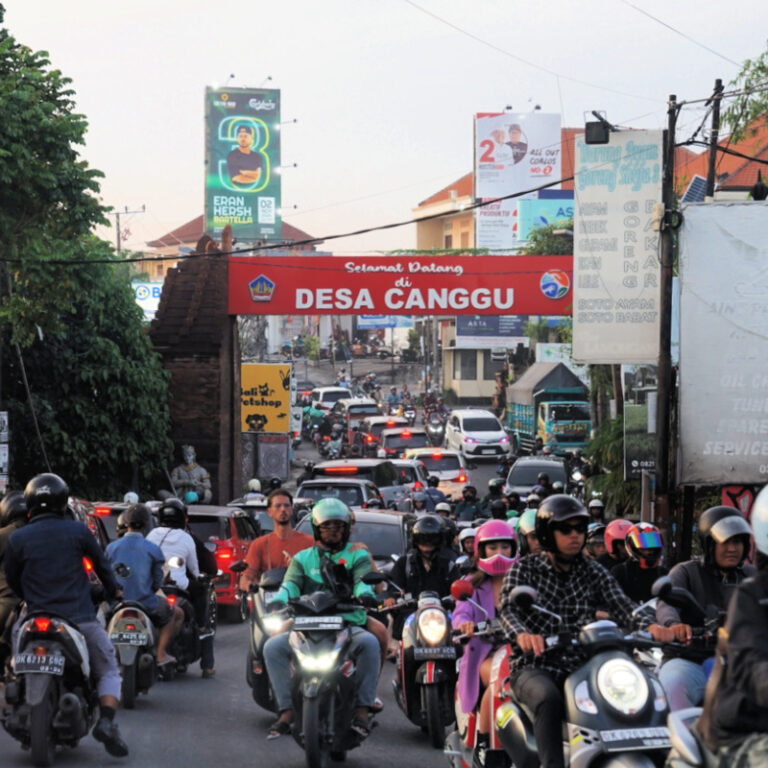
Severe traffic congestion and unplanned urban growth have rendered several of Bali’s most popular tourist destinations nearly inaccessible, according to reports highlighting the crisis of overtourism. Infrastructure in southern Bali is currently failing to support the volume of visitors, leading to gridlock that affects both the local economy and the visitor experience.
Why are Bali’s popular hotspots becoming impossible to access?
The primary driver of the accessibility crisis is a misalignment between the rapid growth of tourism and the development of physical infrastructure. In areas like Canggu, Seminyak, and Ubud, narrow roads originally designed for scooters and agricultural use now carry thousands of cars and tourist shuttles daily. This creates a bottleneck effect where a single accident or rainstorm can paralyze entire districts for hours.
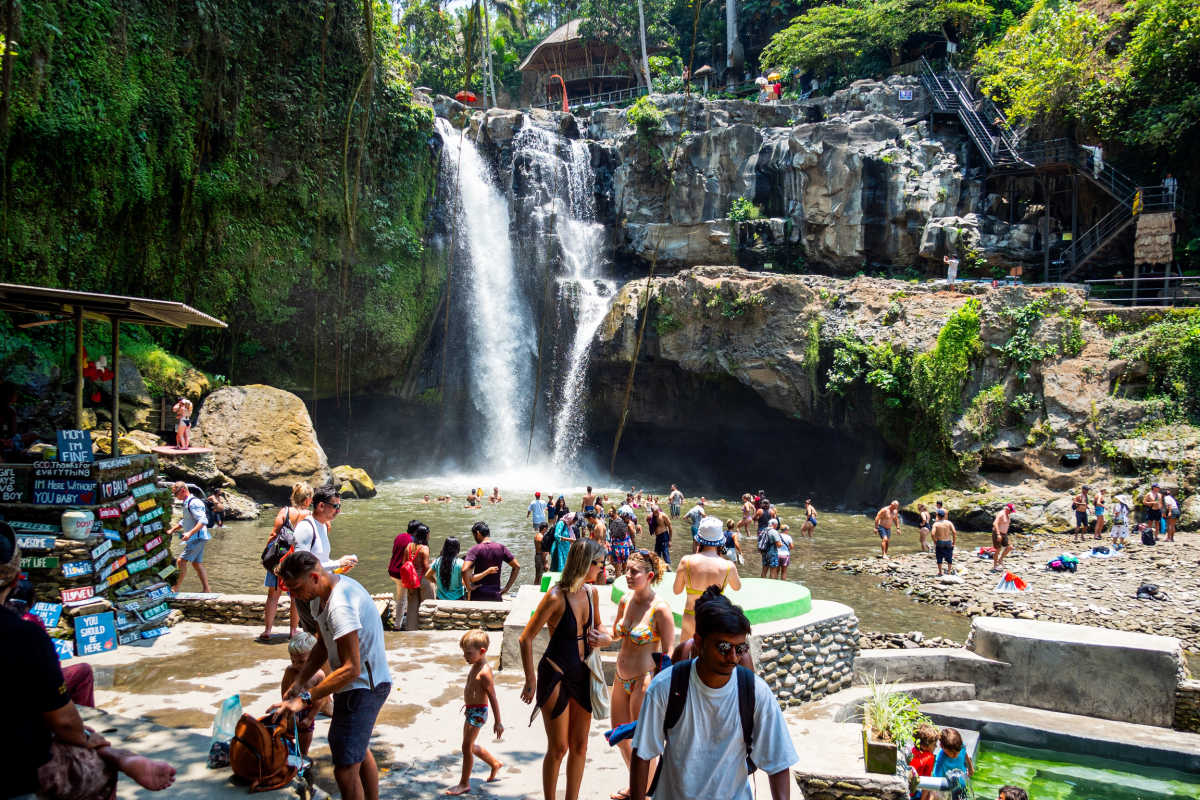
According to reports on the trend of a Bali hotspot becoming impossible for tourists to access – PerthNow, the surge in “Instagram tourism” has pushed crowds toward “hidden gems” that lack the road capacity to handle high volumes. When a remote waterfall or a secluded beach goes viral on social media, thousands of visitors descend upon a single point of entry, often using vehicles that are too large for the local lanes.
Key factors contributing to the lack of access include:
- Unregulated Urban Sprawl: The rapid construction of villas, beach clubs, and cafes without corresponding road widening.
- The Scooter Surge: An overwhelming number of rental scooters creating chaotic traffic patterns.
- Seasonal Spikes: Massive influxes during Australian and European holiday windows that exceed the island’s carrying capacity.
- Geographic Concentration: The vast majority of tourists remain in the southern “golden triangle,” leaving northern and western Bali underutilized while the south suffocates.
The ‘Instagram Effect’ and the erosion of hidden gems
The phenomenon of “viral destinations” has fundamentally changed how tourists move through Bali. Previously, tourism was concentrated in established hubs like Kuta. Now, the search for “authentic” or “secret” spots leads travelers to fragile ecosystems and residential villages that are not equipped for mass transit.
This shift creates a cycle of degradation. Once a spot is identified as a “hotspot,” the surrounding land is often quickly developed into parking lots or overpriced cafes. This commercialization further congests the narrow access roads, eventually making the destination so difficult to reach that the “exclusive” appeal vanishes, replaced by frustration and traffic jams.
“The pursuit of the perfect photo has turned quiet villages into parking lots,” observes regional tourism analysts focusing on Southeast Asian sustainability.
This trend doesn’t just affect the tourists; it disrupts the daily lives of Balinese residents who can no longer navigate their own neighborhoods to reach markets or schools. The tension between the economic necessity of tourism and the practical reality of a collapsed transport system is reaching a breaking point.
Government response: The push for ‘Quality Tourism’
The Indonesian government and provincial authorities in Bali have begun implementing measures to pivot away from “mass tourism” toward “quality tourism.” This strategy aims to attract higher-spending visitors who stay longer and respect local customs, rather than short-term visitors who contribute to overcrowding without significant economic benefit.
One of the most visible interventions is the implementation of a tourist levy. By charging an entry fee for international visitors, the government intends to fund infrastructure repairs and environmental conservation projects. The revenue is earmarked for waste management and the preservation of Bali’s cultural heritage, which has been strained by the sheer volume of people.
| Measure | Objective | Expected Impact |
|---|---|---|
| Tourist Levy (Fee) | Fund infrastructure and culture | Reduced volume of low-budget mass tourism |
| Strict Visa Enforcement | Crack down on illegal workers | Better regulation of “digital nomad” hubs |
| Zoning Regulations | Limit construction in green zones | Prevention of further urban sprawl in rural areas |
Additionally, authorities have increased crackdowns on tourists who violate local laws or disrespect sacred sites. This is part of a broader effort to ensure that the “hotspots” that remain accessible are treated with respect, reducing the need for restrictive barriers or total closures.
Comparing Bali’s crisis to global overtourism trends
Bali is not alone in this struggle. The accessibility crisis mirrors issues seen in other global destinations where “viral” fame has outpaced infrastructure. For example, Thailand’s Maya Bay was forced to close entirely for several years to allow the ecosystem to recover from the onslaught of tourists.
Unlike Maya Bay, which is a contained beach, Bali’s problem is systemic and urban. While a beach can be closed, a village like Canggu cannot be shut down without destroying the local economy. This makes Bali’s situation more complex, as it requires a balance of urban planning and tourism management rather than a simple ban on entry.
A comparison of the “overtourism” response reveals two distinct paths:
- The Restriction Model: Seen in Venice, Italy, where entry fees and cruise ship bans are used to physically limit the number of people in the city center.
- The Diversification Model: What Bali is attempting by promoting the “North Bali” initiative, encouraging tourists to visit Lovina or Munduk to relieve pressure on the south.
The success of the diversification model depends on the government’s ability to build reliable roads and transport links to the north, which currently remain underdeveloped compared to the southern corridor.
The economic paradox of the inaccessible hotspot
There is a stark economic paradox at play: the very popularity that brings wealth to Bali is now threatening the viability of its most lucrative zones. When a hotspot becomes “impossible to access,” the economic return begins to diminish.
Business owners in high-traffic areas report a “plateau” effect. While demand for their services remains high, the inability of customers to actually reach the venue leads to cancellations and negative reviews. Furthermore, the cost of logistics increases; delivering food, linens, and supplies to a beach club in a gridlocked zone becomes significantly more expensive, eating into profit margins.
For the average traveler, the “Bali experience” is being redefined. The expectation of a relaxing tropical escape is being replaced by the reality of spending three hours in a car to travel five kilometers. This shift risks damaging Bali’s brand as a wellness and spiritual retreat, potentially pushing high-value tourists toward competitors like Lombok or the islands of the Philippines.
To understand more about regional travel shifts, see our related explainer on Southeast Asian tourism trends.
How to navigate Bali amidst the accessibility crisis
Despite the challenges, Bali remains a premier destination. However, the strategy for visiting has to change. The “hit list” approach—visiting the top ten most Instagrammed spots in one week—is no longer practical and often leads to the frustrations mentioned in reports about a Bali hotspot becoming impossible for tourists to access – PerthNow.
Alternative transport strategies
The most effective way to bypass gridlock is to avoid four-wheeled vehicles entirely. Scooters remain the fastest way to move, though they require a valid international license and a high tolerance for chaotic traffic. For those uncomfortable with bikes, hiring a local driver who knows the “gangs” (small alleyways) is essential. These drivers can often navigate shortcuts that are invisible to GPS apps like Google Maps.
Timing and location shifts
Visiting popular sites at dawn is no longer a suggestion; it is a necessity. Most hotspots reach peak capacity by 10:00 AM. By arriving at 6:00 AM, visitors can often experience a site before the tour buses arrive and the roads lock up.
Moreover, shifting the base of operations is highly recommended. Instead of staying in the heart of Canggu or Seminyak, travelers are finding more success staying in slightly more residential areas and using targeted trips to the hotspots, rather than attempting to live within them.
Consider these alternatives to avoid the worst crowds:
- Instead of Canggu: Try Pererenan or Seseh for a similar vibe with slightly better flow.
- Instead of Central Ubud: Look toward the Tegallalang outskirts or the highlands of Kintamani.
- Instead of Uluwatu’s main cliffs: Explore the more remote beaches of the Bukit Peninsula.
The long-term implications for Balinese culture
Beyond the traffic and the tourists, the accessibility crisis has a profound impact on the social fabric of the island. Bali’s culture is built on the Tri Hita Karana philosophy—harmony between people, nature, and the divine. Overtourism disrupts all three.
The “impossible access” is not just about roads; it’s about the encroachment of tourism into sacred spaces. When a temple becomes a “hotspot,” the spiritual purpose of the site is often overshadowed by the needs of the tourist. The physical congestion leads to a psychological congestion, where locals feel alienated in their own home.
The long-term risk is a “museumification” of Bali, where the culture becomes a performance for visitors because the actual living culture has been pushed out by the infrastructure of tourism. The current push for quality over quantity is an attempt to prevent this outcome, ensuring that Bali remains a living, breathing society rather than just a backdrop for social media.
For more on sustainable travel, check out our guide to eco-friendly destinations.
Frequently Asked Questions
Is it still possible to visit popular Bali spots?
Yes, but it requires significant planning. Visitors should avoid peak hours, utilize scooters or local drivers who know shortcuts, and be prepared for significant delays in areas like Canggu and Ubud. Many “hidden” spots are still accessible if visited very early in the morning.
What is the Bali tourist tax and how does it affect access?
The tourist levy is a fee implemented by the provincial government to fund infrastructure and cultural preservation. While it doesn’t physically limit access to specific sites, the goal is to use the funds to improve the very roads and waste systems that are currently causing the accessibility crisis.
Which areas of Bali are the most congested?
The most congested areas are currently the southern regions, specifically Canggu, Seminyak, Kuta, and the center of Ubud. These areas have seen the highest concentration of new developments without corresponding upgrades to the road networks.
Are there any “secret” spots that are still easy to reach?
Generally, the further you move away from the southern coast, the easier access becomes. Northern Bali (Lovina, Munduk) and Western Bali (Pemuteran) offer similar natural beauty to the hotspots but with a fraction of the traffic and crowds.
How has social media contributed to the accessibility problem?
Social media creates “concentrated demand.” When a specific location becomes a trend, thousands of people attempt to visit the exact same coordinates simultaneously. Because these locations were often “hidden” and lacked infrastructure, the sudden influx creates immediate and severe gridlock.
The current state of Bali’s infrastructure serves as a warning for other emerging destinations. The transition from a hidden gem to a global hotspot can happen in a matter of months via a single viral post, but building a road to support that growth takes years. For now, the burden of navigation falls on the traveler, who must balance the desire to see the sights with the reality of a strained island ecosystem.
