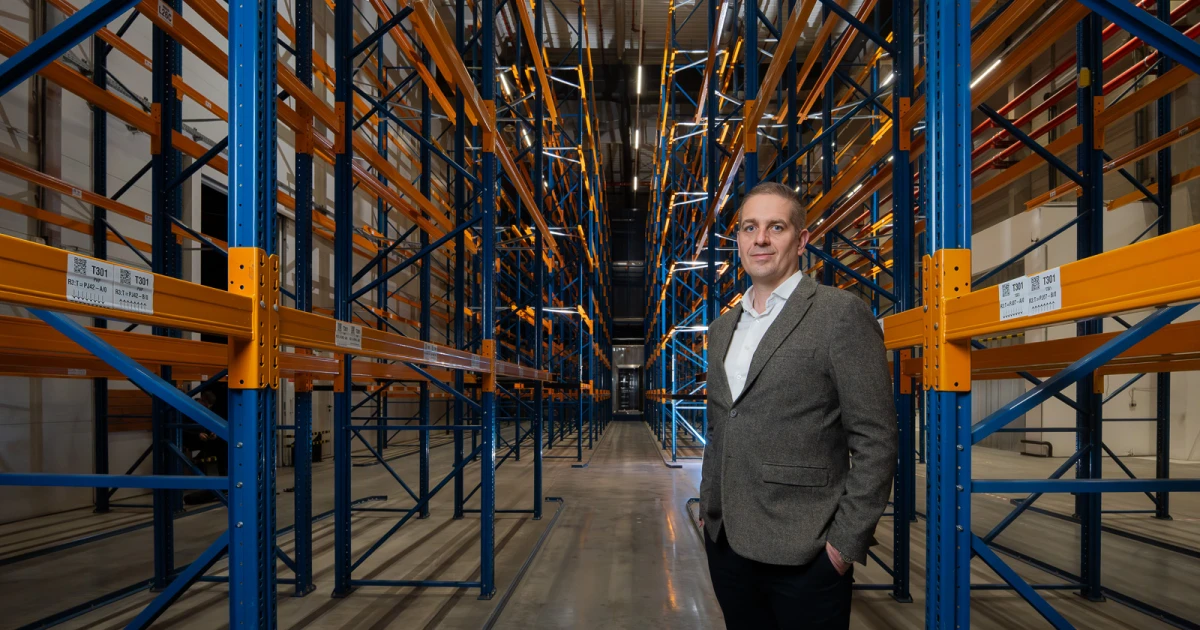
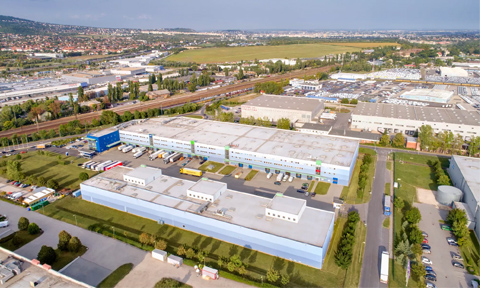
Logicor Hungary, a logistics real estate provider, is redefining the value proposition of warehouse and distribution center spaces by integrating advanced technologies and data-driven solutions, according to company representatives. The shift reflects a broader industry trend where physical infrastructure is being augmented with smart systems to enhance efficiency, sustainability, and operational flexibility.
How the New Approach Works
The company’s strategy involves embedding Internet of Things (IoT) sensors, AI-powered analytics, and energy management systems into its properties. These technologies enable real-time monitoring of environmental conditions, asset tracking, and predictive maintenance, reducing operational costs and downtime for tenants. Logicor Hungary also emphasizes green building certifications and renewable energy integration, aligning with global sustainability goals.
A spokesperson for Logicor Hungary stated, “Our goal is to transform logistics real estate into dynamic, responsive ecosystems that adapt to the evolving needs of businesses. This isn’t just about providing space—it’s about delivering a platform for innovation.”
Implications for the Industry
The move comes as European logistics companies face pressure to modernize aging infrastructure. Competitors like Prologis and DHL Supply Chain have also launched similar initiatives, but Logicor Hungary’s focus on localized, customized solutions sets it apart. The company’s projects in Budapest and Debrecen highlight its emphasis on regional supply chain resilience, particularly in light of recent geopolitical disruptions.
Industry analysts note that the integration of smart technologies is becoming a critical differentiator. “Clients are no longer just evaluating square footage,” said Dr. Anna Kovács, a logistics researcher at Corvinus University. “They’re looking for facilities that can scale with their growth and reduce carbon footprints, which aligns with EU regulatory targets.”
What This Means for Users
For businesses, the upgrades could translate to lower overheads and improved service reliability. Retailers and manufacturers relying on just-in-time delivery systems may benefit from reduced delays caused by equipment failures or inefficient resource allocation. However, the transition requires upfront investments, which could pose challenges for smaller operators.
Logicor Hungary has partnered with tech firms such as Siemens and IBM to develop its smart infrastructure, though specific details about the partnerships remain undisclosed. The company plans to expand its portfolio to 15 new sites by 2025, with a focus on regions experiencing industrial growth.
