Multidisciplinary Dental Rehabilitation in an Adult with Noonan Syndrome: A Case Report – Cureus
A comprehensive clinical case report published in the journal Cureus details the successful full-mouth dental rehabilitation of an adult patient with Noonan Syndrome. The treatment utilized a multidisciplinary approach, coordinating various dental specialties to address complex oral health failures and systemic complications associated with the genetic disorder.
What occurred in the multidisciplinary dental rehabilitation case?
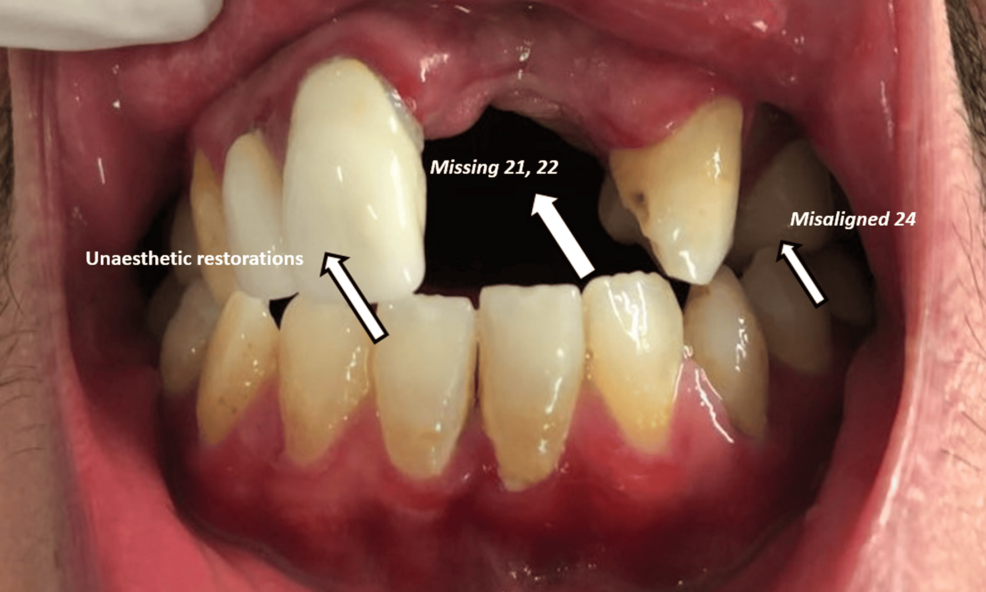
According to the report titled “Multidisciplinary Dental Rehabilitation in an Adult with Noonan Syndrome: A Case Report – Cureus,” a patient diagnosed with Noonan Syndrome presented with severe dental deterioration, including multiple missing teeth, advanced periodontal disease, and failing previous restorations. The clinical team implemented a phased treatment plan that integrated periodontics, endodontics, and prosthodontics to restore both the function and aesthetics of the patient’s smile.
The process began with a systemic health evaluation to manage the risks associated with Noonan Syndrome, followed by a rigorous cleaning and stabilization phase. The team then moved toward corrective surgeries and restorative work, eventually placing crowns and bridges to replace missing teeth and support the jaw structure. The report notes that this coordinated effort was essential because the patient’s systemic condition made standard, single-specialty treatment insufficient for long-term success.
Key milestones in the rehabilitation process included:
- Initial Assessment: Comprehensive radiographic and clinical examination to map bone loss and decay.
- Phase I (Stabilization): Scaling, root planing, and the extraction of non-salvageable teeth.
- Phase II (Corrective): Endodontic treatments (root canals) and periodontal surgeries to stabilize the foundation.
- Phase III (Restorative): Fabrication of fixed and removable prosthetics to restore occlusion.
- Phase IV (Maintenance): A strict recall schedule to prevent relapse of periodontal disease.
How does Noonan Syndrome impact oral health and dental treatment?
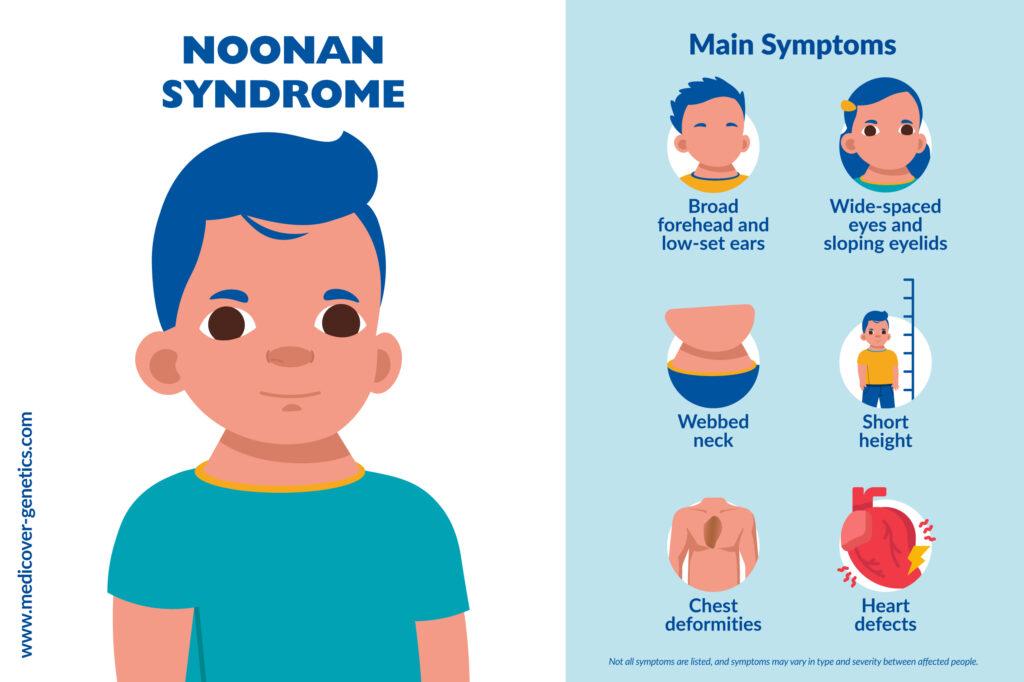
Noonan Syndrome is a genetic disorder characterized by distinctive facial features, short stature, and potential cardiac defects. According to the Cureus case report, these systemic factors create specific challenges for dental professionals. The disorder often manifests in the oral cavity through delayed tooth eruption, malocclusion (misaligned teeth), and an increased susceptibility to periodontal disease.
Beyond the teeth, the report highlights that systemic complications—particularly cardiac issues such as pulmonary valve stenosis—require careful coordination with medical physicians before any invasive dental procedure. The use of certain anesthetics and the management of patient stress are critical to avoid triggering cardiovascular events. Furthermore, the facial morphology associated with Noonan Syndrome can complicate the fitting of prosthetics and the alignment of the bite.
Clinicians managing patients with this syndrome must account for several variables:
- Cardiac Risks: Potential need for antibiotic prophylaxis to prevent endocarditis.
- Craniofacial Structure: Unique jaw shapes that may require customized prosthetic designs.
- Psychological Factors: The need for a patient-centric approach to manage anxiety during long-term treatment.
Why is a multidisciplinary approach necessary for Noonan Syndrome patients?
The Cureus report argues that a multidisciplinary approach is superior to fragmented care because it ensures that systemic health and oral health are treated as a single, integrated system. In the case of the adult patient, a single general dentist would have struggled to address the simultaneous needs of deep periodontal pockets, infected root canals, and missing teeth while monitoring cardiac stability.
By involving a team of specialists, the treatment plan could be sequenced logically. For example, the periodontist first ensured the gums were healthy enough to support the crowns that the prosthodontist would later install. If the crowns had been placed before the periodontal disease was controlled, the restorations would likely have failed due to lack of bone support.
| Treatment Aspect | Single-Specialty Approach | Multidisciplinary Approach (Cureus Model) |
|---|---|---|
| Risk Management | General health check; limited coordination. | Integration of cardiology and systemic health monitoring. |
| Sequencing | Treatment based on immediate symptoms. | Phased approach: Stabilization → Correction → Restoration. |
| Outcome | Higher risk of prosthetic failure. | Increased longevity of restorations via foundation support. |
| Patient Experience | Multiple disconnected appointments. | Coordinated care plan with shared patient records. |
What were the specific clinical steps taken in the rehabilitation?
The rehabilitation detailed in the “Multidisciplinary Dental Rehabilitation in an Adult with Noonan Syndrome: A Case Report – Cureus” followed a strict clinical protocol to ensure the patient’s safety and the longevity of the results.
The Stabilization Phase
The first priority was the elimination of infection. The team performed full-mouth scaling and root planing to reduce inflammation in the gingival tissues. Teeth that were deemed “hopeless”—those with insufficient bone support or extensive decay—were extracted to prevent them from acting as reservoirs for bacteria that could enter the bloodstream and affect the heart.
The Corrective Phase
Once the inflammation subsided, the focus shifted to saving as many natural teeth as possible. This involved endodontic therapy to treat infected pulp and the placement of core build-ups. The report emphasizes that the stability of the remaining teeth was paramount before any bridges or crowns were designed, as these structures rely on the strength of the “abutment” teeth.
The Restorative Phase
The final stage focused on function and aesthetics. The team used a combination of fixed partial dentures (bridges) and crowns. These were designed to restore the patient’s vertical dimension—the distance between the upper and lower jaws when closed—which had collapsed due to missing teeth. This restoration not only improved the patient’s ability to chew but also supported the facial muscles, improving the overall aesthetic appearance.
“The integration of various dental specialties allowed for a comprehensive treatment plan that addressed the patient’s complex needs while minimizing the risks associated with their systemic condition.”
What are the long-term implications of this case for adult patients with genetic syndromes?
The success of this case suggests that adults with complex genetic disorders like Noonan Syndrome can achieve high-quality oral health outcomes if a structured, multidisciplinary framework is used. It challenges the notion that patients with systemic complications should only receive “palliative” or minimal dental care.
The report indicates that the key to long-term success is not the surgery itself, but the maintenance phase. For patients with Noonan Syndrome, the risk of periodontal relapse is higher. Therefore, the Cureus report advocates for a shortened recall interval—bringing the patient in for professional cleaning and evaluation more frequently than the standard six-month window.
Furthermore, this case serves as a blueprint for treating other RASopathies (a group of syndromes caused by mutations in the RAS/MAPK pathway). The necessity of medical clearance and the phased approach to dental restoration are applicable across various genetic conditions that affect both the cardiovascular system and craniofacial development.
Common misconceptions about dental care in Noonan Syndrome
There are several misconceptions regarding the treatment of patients with Noonan Syndrome that the Cureus report helps clarify.

Misconception 1: These patients cannot undergo complex restorative work.
Some practitioners believe that the systemic risks of Noonan Syndrome make complex procedures too dangerous. The case report proves that with proper medical coordination and a phased approach, full-mouth rehabilitation is possible and safe.
Misconception 2: Dental issues in Noonan Syndrome are purely a matter of hygiene.
While hygiene is a factor, the report highlights that genetic predispositions—such as abnormal tooth morphology and jaw structure—contribute significantly to dental failure. This means that standard brushing and flossing may not be enough; clinical intervention is often required to correct structural vulnerabilities.
Misconception 3: A general dentist can manage all aspects of the rehabilitation.
The complexity of the periodontal and prosthetic needs in this case demonstrates that specialized knowledge in periodontics and prosthodontics is necessary to ensure the restorations do not fail prematurely.
Frequently Asked Questions
What is Noonan Syndrome and how does it affect teeth?
Noonan Syndrome is a genetic condition that affects several parts of the body, including the heart and skin. In the mouth, it can cause delayed eruption of teeth, crowded or misaligned teeth (malocclusion), and a higher tendency toward gum disease (periodontitis), according to the Cureus case report.
Why is “multidisciplinary” care important for these patients?
Multidisciplinary care involves a team of different specialists (such as gum experts and crown experts) working together. This is crucial for Noonan Syndrome patients because their treatment requires a balance between managing systemic health risks (like heart issues) and performing complex dental repairs.
Can adults with Noonan Syndrome get dental implants or bridges?
Yes. As demonstrated in the “Multidisciplinary Dental Rehabilitation in an Adult with Noonan Syndrome: A Case Report – Cureus,” adults can receive bridges and crowns. Whether implants are viable depends on the amount of available bone and the patient’s overall systemic health, which must be evaluated by a specialist.
What are the primary risks during dental surgery for someone with Noonan Syndrome?
The primary risks are related to the heart. Many patients have pulmonary valve stenosis or other cardiac anomalies. This makes the management of stress, the choice of anesthesia, and the prevention of bacterial infection in the heart (endocarditis) the top priorities for the clinical team.
How often should a person with Noonan Syndrome visit the dentist?
While standard patients visit every six months, the Cureus report suggests that patients undergoing complex rehabilitation or those with high periodontal risk may need more frequent visits to ensure the stability of their restorations and the health of their gums.
For those seeking more information on genetic disorders and oral health, a related explainer on RASopathies and dental health may provide further context on how similar syndromes affect the body.
