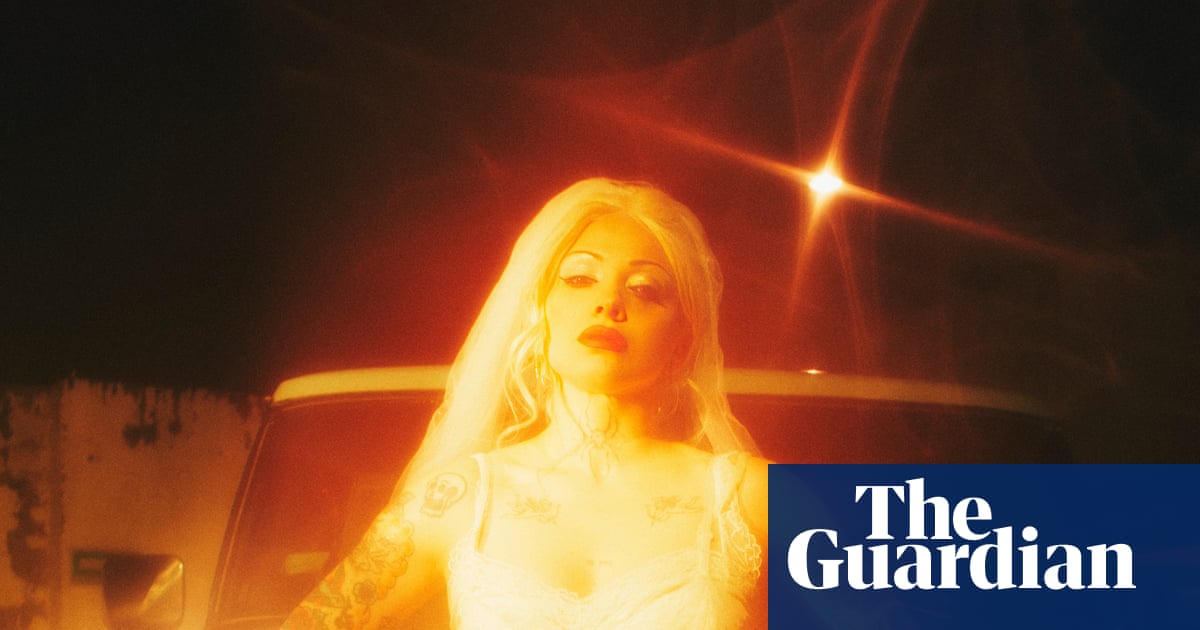
‘Dangerous for being free’: Mon Laferte on calling out injustice as Chile’s biggest pop star – The Guardian
Mon Laferte, Chile’s most prominent pop export, uses her global platform to challenge systemic injustice and gender inequality. According to recent interviews and public statements, the singer views her refusal to remain neutral in the face of political turmoil as a necessity, despite the professional and personal risks associated with public dissent in Latin America.
How does Mon Laferte balance pop stardom with political activism?
Mon Laferte operates at the intersection of commercial music and grassroots activism. While her chart-topping success grants her access to millions, she explicitly rejects the industry expectation that pop stars remain apolitical to protect their brand. According to Laferte, the act of speaking truth to power is what makes an artist “dangerous,” as it disrupts the status quo of those in control.
This duality is evident in her performance style and songwriting. She blends traditional Latin American genres—such as bolero and cumbia—with modern pop and rock, often weaving lyrics about heartbreak with themes of systemic oppression. By doing so, she bridges the gap between mainstream entertainment and social critique.
“Being free is dangerous because it means you cannot be bought or silenced,” Laferte has indicated in discussions regarding her public image and political stances.
The tension between her fame and her activism often manifests as a conflict with institutional power. Laferte has noted that while her fans embrace her messages of liberation, corporate entities and political figures often view her outspokenness as a liability. However, she maintains that her art is meaningless if it does not reflect the struggles of her people.
What role did the Chilean ‘Estallido Social’ play in her activism?
The 2019 social unrest in Chile, known as the Estallido Social, served as a catalyst for Laferte’s more direct political engagement. What began as a protest against metro fare hikes in Santiago quickly evolved into a nationwide uprising against neoliberal economic policies, privatization of basic services, and the enduring legacy of the Augusto Pinochet dictatorship.
Laferte used her social media presence and public appearances to amplify the voices of protesters. She condemned the violence perpetrated by state security forces and called for a new constitution to replace the 1980 document drafted during the military regime. According to reports on the movement, artists like Laferte provided a cultural soundtrack to the rebellion, legitimizing the grievances of the working class on an international stage.
The impact of the Estallido Social on her work can be seen in the shift toward more explicitly political themes. She transitioned from songs primarily focused on personal longing to anthems that addressed collective suffering and the demand for dignity. This period solidified her position not just as a singer, but as a cultural representative of Chilean resistance.
Timeline of Political Influence in Chile
| Period/Event | Context | Laferte’s Response/Role |
|---|---|---|
| 1980 Constitution | Drafted under Pinochet; focused on neoliberalism. | Advocated for its complete replacement. |
| October 2019 | Start of the Estallido Social protests. | Used global platform to condemn police brutality. |
| 2020-2022 | Constitutional drafting process. | Publicly supported systemic structural changes. |
| Current Era | Ongoing social and gender inequality. | Focus on feminist movements and indigenous rights. |
Why is Mon Laferte a central figure in Latin American feminism?
Laferte’s activism extends beyond national politics into the broader struggle for women’s rights across Latin America. She has aligned herself with the “Ni Una Menos” (Not One Less) movement, which fights against femicide and gender-based violence. According to the artist, the patriarchy is a systemic force that requires a systemic response, not just individual resilience.
Her approach to feminism is intersectional. She frequently highlights how gender oppression overlaps with class struggle and racial discrimination, particularly concerning indigenous women in Chile and Mexico. By addressing these overlaps, she avoids a “one size fits all” version of feminism, instead focusing on the specific vulnerabilities of marginalized women.
Key areas of her feminist advocacy include:
- Reproductive Rights: Advocating for the decriminalization of abortion in Chile, a country with some of the strictest laws in the region.
- Economic Equality: Challenging the wage gap and the lack of professional opportunities for women in the music industry.
- Bodily Autonomy: Using her image and lyrics to reclaim female sexuality from the male gaze.
This commitment often puts her at odds with conservative sectors of society. Laferte has reported receiving threats and harassment for her views, yet she argues that the visibility of these attacks only proves the necessity of the struggle.
What are the personal and professional costs of her public dissent?
Calling out injustice as a global star comes with significant risks. Laferte has described the psychological toll of being a target for political hatred. In various interviews, she has discussed the isolation that can occur when an artist is branded as “too political” for certain markets or corporate sponsorships.
The professional cost often manifests as a “glass ceiling” for activist artists. According to industry analysis, brands are frequently hesitant to partner with figures who take hardline stances on controversial issues like abortion or government corruption. This can lead to a loss of lucrative endorsements or limited airplay on conservative-leaning media outlets.
However, Laferte views these losses as a fair trade for her intellectual and creative freedom. She posits that the “safety” of neutrality is actually a form of imprisonment. To her, the risk of being “dangerous” is preferable to the sterility of a curated, corporate-approved persona.
Comparison: Commercial Pop vs. Activist Pop
To understand Laferte’s position, it is useful to compare the traditional “commercial pop” model with the “activist pop” model she employs.
- Commercial Pop: Prioritizes broad appeal, avoids polarizing topics, relies on corporate partnerships, and maintains a carefully managed public image to maximize profit.
- Activist Pop: Prioritizes message over marketability, engages with polarizing social issues, accepts the loss of certain sponsorships, and views the audience as a community of citizens rather than just consumers.
While many artists attempt to blend these two, Laferte leans heavily toward the latter, often using her concerts as spaces for political education and mobilization.
How does her musical style reinforce her message of injustice?
The sonic architecture of Mon Laferte’s music is not incidental; it is a political choice. By reviving genres like the bolero, ranchera, and cumbia, she is performing an act of cultural reclamation. These genres are deeply rooted in the working-class history of Latin America, and by centering them in her work, she honors the people she advocates for.
Her voice, characterized by its raw emotionality and wide range, mirrors the volatility of the themes she tackles. A song may begin as a quiet lamentation of grief and escalate into a scream of rage, mirroring the trajectory of social unrest. This emotional honesty prevents her political messages from feeling like lectures, instead framing them as lived experiences.
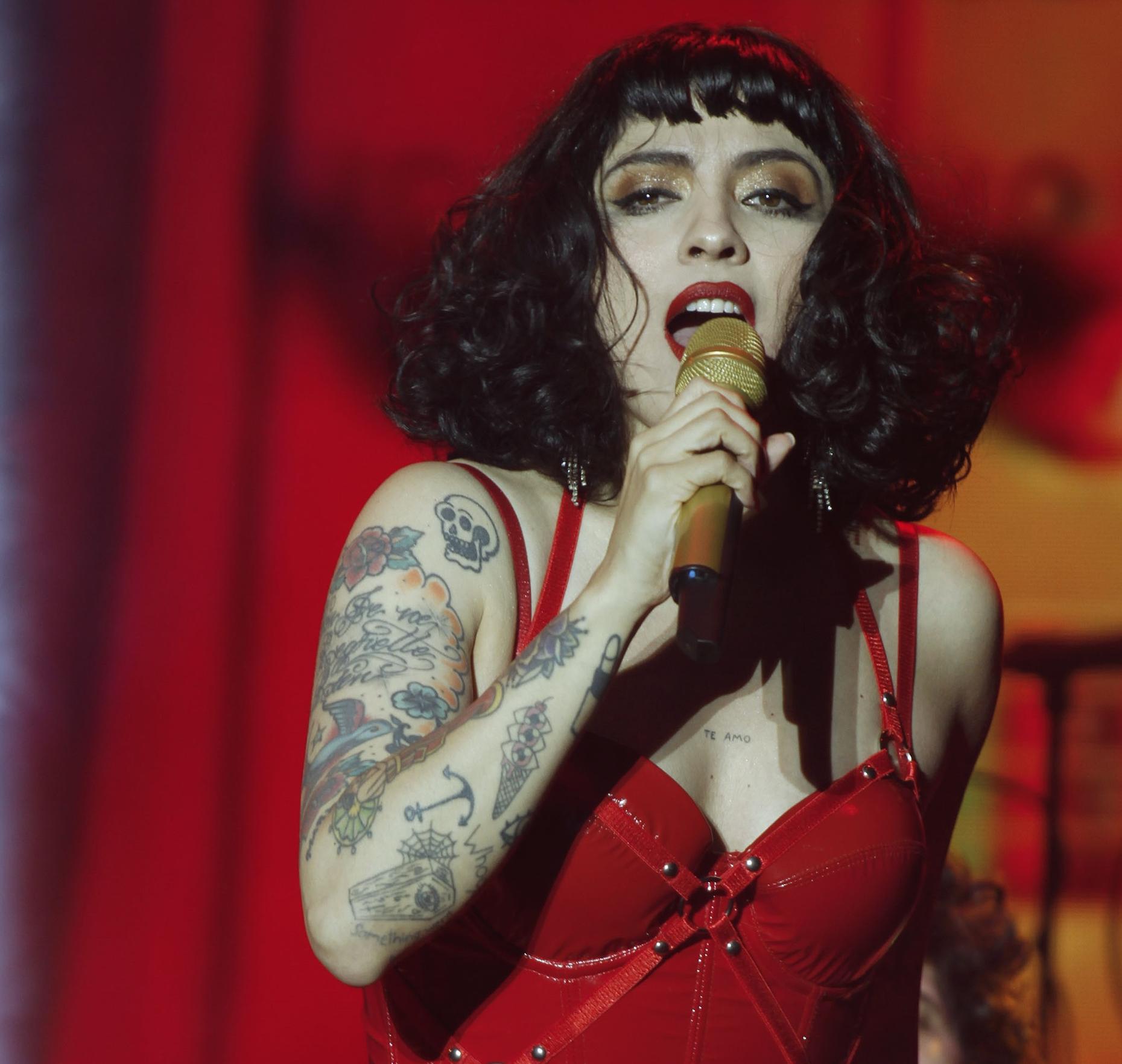
Furthermore, her visual aesthetics—often blending traditional folk elements with avant-garde fashion—challenge the Westernized standards of beauty and success. According to critics, this visual language signals a refusal to assimilate into the “global pop” mold, reinforcing her theme of being “dangerous for being free.”
What are the common misconceptions about her activism?
One common misconception is that Laferte’s activism is a calculated marketing strategy to attract a “progressive” audience. Critics often argue that political stances are used as “branding” in the modern music industry. However, the consistency of her advocacy—long before it was a trend in global pop—suggests a deeper ideological commitment. Her willingness to alienate significant portions of her potential audience in conservative regions contradicts the logic of a purely profit-driven marketing strategy.
Another misconception is that her focus is solely on Chile. While her roots are Chilean, Laferte has lived in Mexico for years and has integrated the struggles of the Mexican people into her worldview. She views the fight against injustice as a hemispheric struggle, linking the disappearances in Mexico to the state violence in Chile.
Finally, some argue that her music is “too angry” to be effective. In response, Laferte and her supporters argue that anger is a rational and necessary response to injustice. They contend that “polite” protest is often ignored, whereas the visceral energy of her music demands attention and triggers conversation.
How does Laferte’s approach compare to other global activist artists?
Laferte’s trajectory shares similarities with artists like Nina Simone or Billie Holiday, who fused their musical genius with the Civil Rights Movement in the United States. Like them, Laferte recognizes that the artist occupies a unique position in society—they are often granted a level of visibility that allows them to say things that journalists or politicians cannot.
Compared to contemporary Western pop stars who may support social causes through social media posts or curated charity events, Laferte’s activism is more integrated into her identity. She does not treat activism as a side project but as the core purpose of her art. This “total” approach to activism makes her a more polarizing figure but also a more authentic voice for those in the margins.
This approach is also mirrored in the works of some Latin American contemporaries who use reggaeton or trap to discuss street violence and poverty, though Laferte’s focus remains more explicitly tied to feminist and systemic political reform.
Key Points of Influence
- Cultural Reclamation: Using traditional sounds to validate working-class identities.
- Direct Action: Using social media and concerts to mobilize for specific legislative changes.
- Intersectional Focus: Linking gender, class, and race in her critique of power.
- Risk Acceptance: Prioritizing freedom of expression over corporate safety.
For those interested in the broader context of Latin American social movements, a related explainer on the 2019 Chilean protests provides deeper insight into the economic drivers of the unrest.
Frequently Asked Questions
Why does Mon Laferte say she is “dangerous for being free”?
She uses this phrase to describe the threat that an independent, outspoken artist poses to established power structures. In her view, an artist who cannot be bought, intimidated, or silenced is “dangerous” because they can mobilize public opinion and expose systemic injustice.
What specific Chilean laws has Mon Laferte campaigned against?
Laferte has been a vocal critic of the 1980 Chilean Constitution and has campaigned for the legalization of abortion and the protection of women’s reproductive rights in Chile.
Is Mon Laferte’s music primarily political?
While she is a dedicated activist, her music covers a wide spectrum of human experience, including love, loss, and heartbreak. However, she often weaves political themes into these personal narratives, arguing that the personal is political.
How has the music industry reacted to her activism?
Responses have been mixed. While she has a massive, loyal fanbase that admires her courage, some corporate entities and conservative media outlets have distanced themselves from her due to her polarizing political stances.
Which Latin American countries influence her work most?
Chile and Mexico are the primary influences. She was born in Chile and has spent a significant portion of her adult life and career in Mexico, blending the cultural and political struggles of both nations into her art.
As the political landscape in Latin America continues to shift, the role of the artist as a provocateur remains critical. Mon Laferte’s career serves as a case study in how fame can be leveraged not for personal gain, but as a tool for systemic challenge. Her insistence on remaining “dangerous” ensures that her music continues to serve as both a mirror to society’s failures and a map toward potential liberation.
