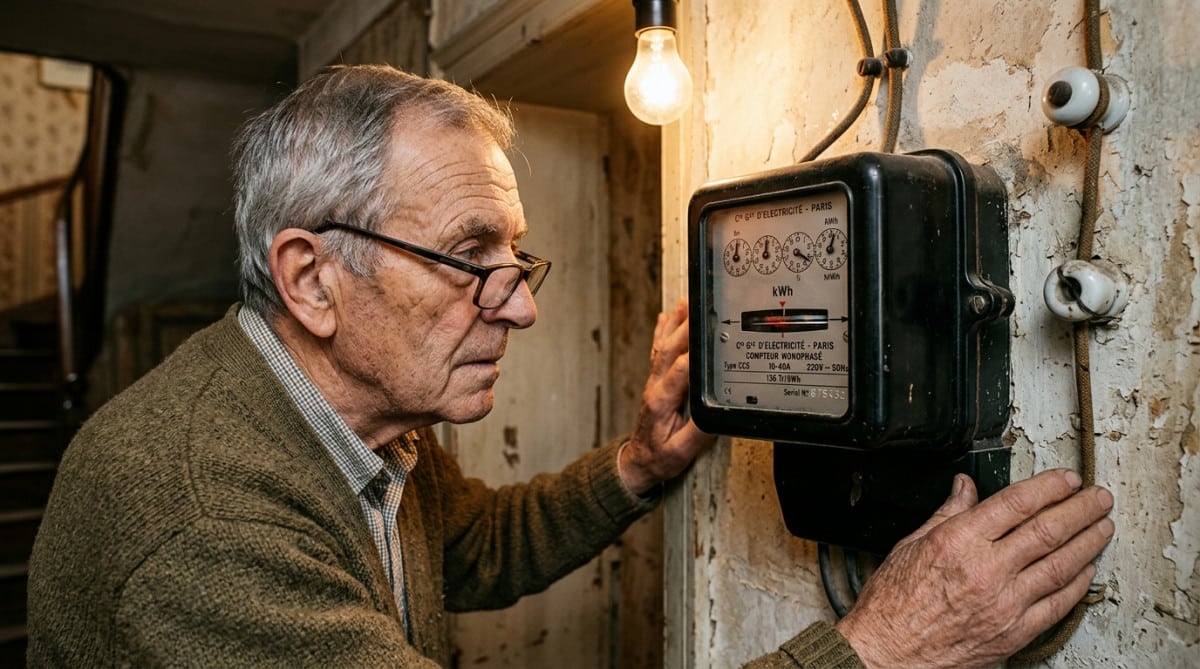
France has completed a broad transition in its electrical infrastructure, replacing legacy electro-mechanical meters—defined by a rotating disc and manual readings—with the automated Linky smart meter system, according to local media reports. This shift moves the utility sector from a labor-intensive manual billing model to a digital grid capable of real-time data transmission.
- Technology Shift: Transition from rotating-disc electro-mechanical meters to digital smart meters.
- Operational Change: Elimination of physical technician visits for meter readings.
- Consumer Impact: Shift from estimated or periodic billing to precise, automated data tracking.
How the electro-mechanical meter functioned
For approximately 60 years, the French electrical grid relied on a mechanical system to track energy consumption. According to local media reports, these devices featured a rotating disc that spun at a speed proportional to the amount of electricity being used by the household. As the disc turned, it moved a series of dials that recorded the total kilowatt-hours consumed.
Because these devices lacked connectivity, the utility provider required physical access to the hardware. Technicians were dispatched to homes periodically to manually record the numbers on the dial, which then served as the basis for customer billing. This process often resulted in estimated bills between actual readings, creating discrepancies in consumer costs.
Why France shifted to the Linky system
The introduction of the Linky meter represents a move toward a “smart grid” economy. Unlike its predecessor, the Linky meter is an electronic device that transmits consumption data automatically to the provider via power-line communication. This removes the need for manual intervention and the associated labor costs of sending technicians to millions of residential properties.
The transition provides two primary economic advantages: operational efficiency for the utility provider and greater transparency for the consumer. Users can now track their energy usage in near real-time, allowing for more precise budget management and the identification of energy-heavy appliances.
The generational gap in energy infrastructure
The speed of this technological rollout has created a distinct generational divide in consumer experience. Local reports indicate that individuals under the age of 40 have largely never interacted with the old mechanical dials, as the digital transition coincided with their entry into adulthood or homeownership. The mechanical meter has shifted from a standard piece of utility hardware to a legacy object of the mid-20th century.
