The global oil market faces heightened volatility as tensions in the Middle East intensify, supply disruptions worsen, and demand patterns shift, according to multiple reports. Prices for crude oil rose 3.2% on Monday amid fears of reduced exports from the region, with analysts warning of potential shortages if conflicts escalate.
Key Points
- MidEast conflict disrupts oil supplies, pushing prices up 3.2% in one day
- Chinese oil demand drops to 9-year low, according to local media
- U.S. to release 10 million barrels from strategic reserves, per Energy Department
- CNN reports oil market “on the brink of crisis” as supply gaps widen
The International Energy Agency (IEA) noted that Middle East production has fallen by 1.8 million barrels per day since January, with key exporters like Saudi Arabia and Iran facing infrastructure risks. “The situation is dangerously close to a supply shock,” said a senior analyst at the agency, citing satellite data showing reduced tanker activity in the Persian Gulf.

Meanwhile, China’s oil demand declined 7.4% in April compared to the same period last year, the steepest drop since 2015, according to reports from wnpl.pl. The slowdown reflects weaker industrial activity and a shift toward renewable energy investments, as outlined in the country’s 14th Five-Year Plan. “This is a structural change in demand patterns,” explained a Beijing-based economist, “not just a temporary contraction.”
In response to rising prices, the U.S. Department of Energy announced it would release 10 million barrels from the Strategic Petroleum Reserve (SPR) over the next three months. The move aims to stabilize markets but has drawn criticism from environmental groups. “Injecting more oil into the system contradicts long-term climate goals,” said a spokesperson for the Sierra Club, though the agency emphasized the action is “a temporary measure to prevent economic disruption.”
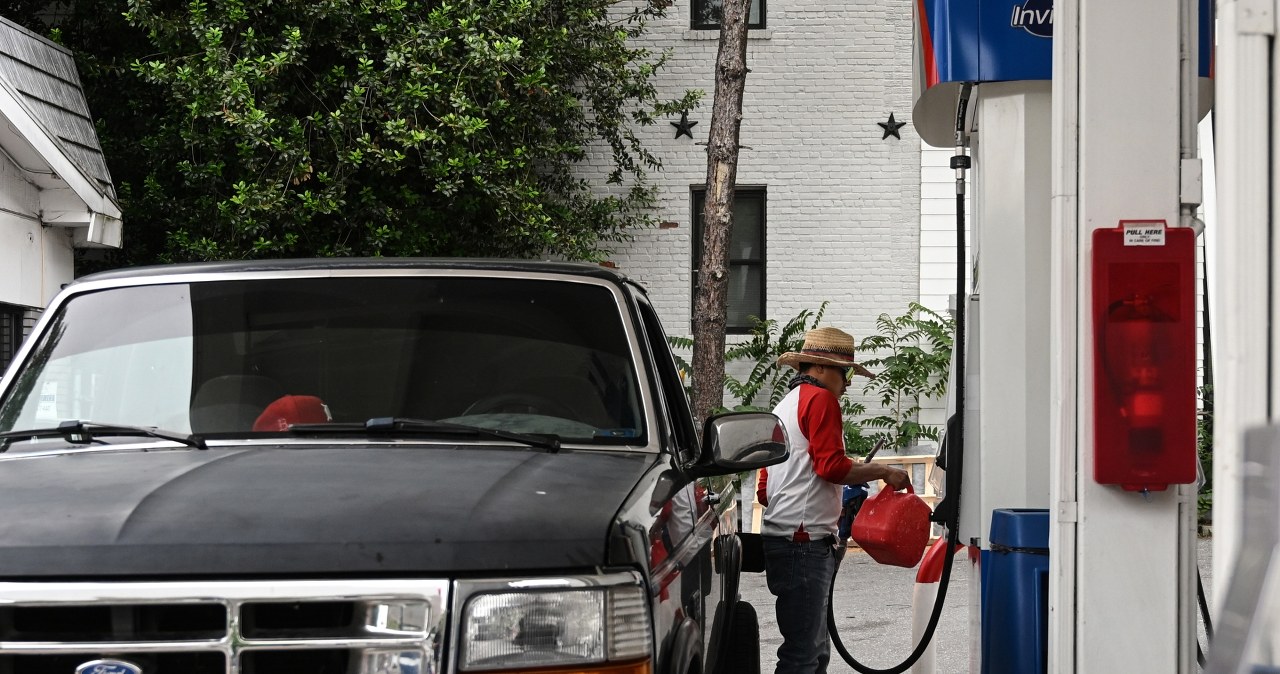
Market reactions have been mixed. While Brent crude climbed to $112 per barrel, U.S. gasoline prices fell 8 cents per gallon in the past week, according to data from the Energy Information Administration (EIA). Analysts at Business Insider Polska noted that “the short-term price spike may not translate to sustained increases if U.S. releases offset Middle East disruptions.”
What’s next? The IEA has scheduled an emergency meeting for May 10 to assess supply risks, while OPEC+ ministers will convene on May 15 to discuss production adjustments. Meanwhile, the U.S. Energy Department will monitor the impact of the SPR releases over the next 60 days before deciding on further actions.
