A 47-year-old Belgian man faces a life-altering medical and financial reckoning after a severe accident in Greece left him requiring a leg amputation, according to local media reports. The case highlights the hidden economic burdens of travel-related injuries, from medical costs to lost income, as the European Union grapples with rising cross-border healthcare expenses.
Why the accident matters for travelers and insurers
The victim, identified only by his age and nationality, suffered injuries severe enough to necessitate amputation surgery at a Greek hospital. While Greek public hospitals provide emergency care regardless of citizenship, the long-term treatment—including prosthetics, rehabilitation, and follow-up care—often falls to the patient’s home country’s healthcare system. Belgium’s social security system typically covers such expenses abroad, but the process can be bureaucratic and costly, leaving patients to navigate complex paperwork while recovering.

Travel insurance policies vary widely in Europe, with some covering medical emergencies abroad but excluding pre-existing conditions or high-cost treatments like amputations. Industry data from the European Health Insurance Card (EHIC) network shows that cross-border healthcare claims rose by 12% in 2022, driven by accidents and chronic care during vacations. The Belgian patient’s case underscores a growing gap: while emergency care is guaranteed under EU rules, post-hospitalization treatment can become a financial burden for individuals and their families.
How medical tourism and EU healthcare rules interact
Greece, a popular destination for European retirees and medical tourists, has become a focal point for debates over cross-border healthcare. The country’s public hospitals treat thousands of EU citizens annually, but reimbursement rates for long-term care differ sharply between nations. Belgium, for instance, reimburses up to €5,000 for medical expenses abroad, but prosthetic limbs and rehabilitation can exceed €20,000—leaving patients to cover the remainder.
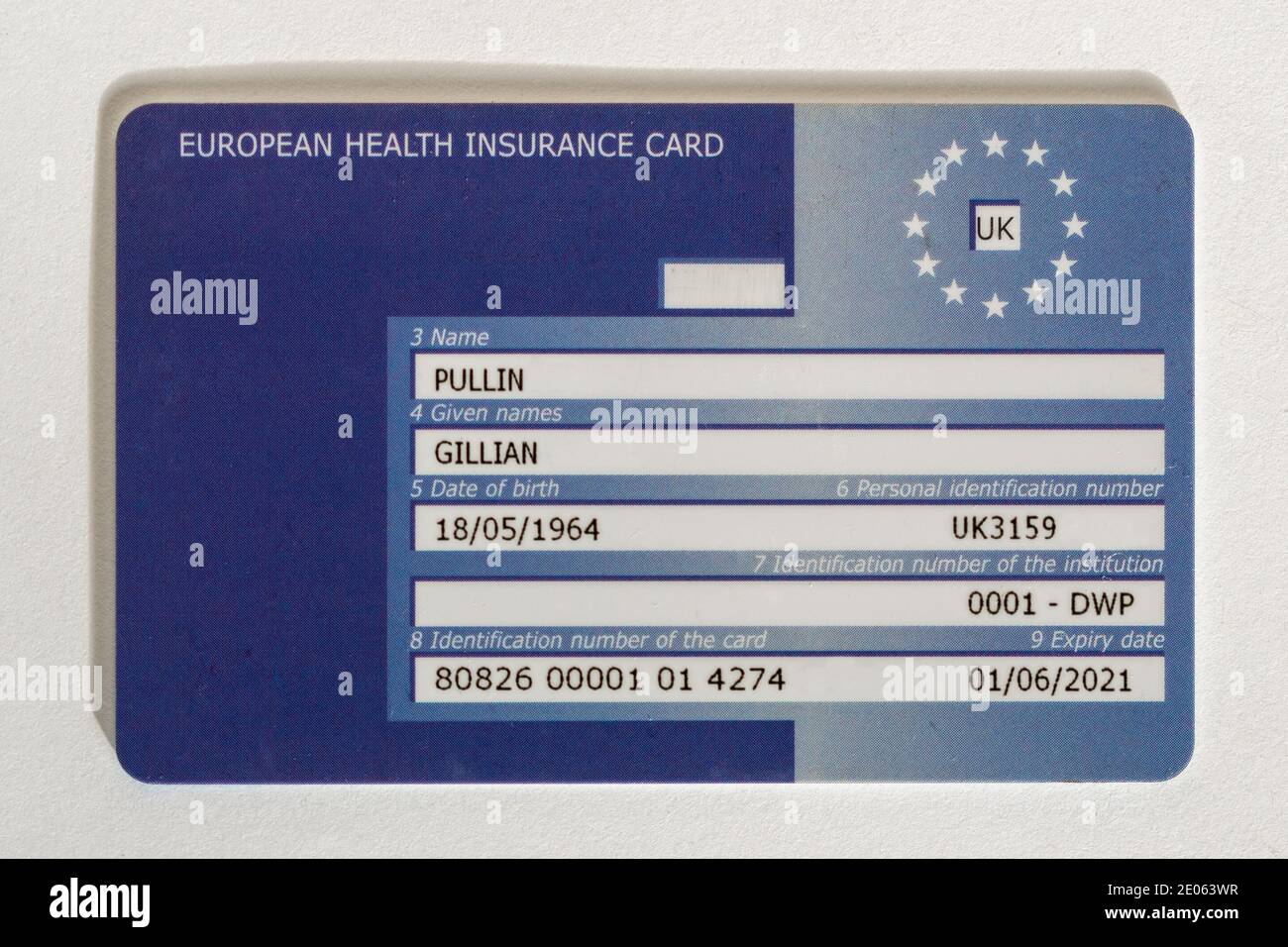
According to a 2023 report by the European Commission, 1 in 5 EU citizens who seek medical treatment abroad face unexpected out-of-pocket costs, often due to discrepancies in national healthcare coverage. The Belgian man’s situation reflects a broader trend: as medical procedures become more advanced, the financial risk shifts from hospitals to patients, particularly when treatments cross national borders.
What happens next for the patient—and for EU healthcare policy?
The patient’s immediate focus is on recovery, with surgeons at a Greek hospital confirming the amputation was medically necessary following complications from the accident. Belgian authorities have initiated the reimbursement process, but the timeline remains unclear. A spokesperson for the Belgian National Institute for Health and Disability Insurance (RIZIV) stated that claims for cross-border care typically take 4–8 weeks to process, during which patients may incur additional costs.
On a policy level, the case could reignite discussions about harmonizing EU healthcare reimbursement rules. Currently, the EHIC card covers emergency care but does not standardize long-term treatment coverage. Advocacy groups, including the European Patients’ Forum, have called for clearer guidelines on post-hospitalization care, arguing that the current system leaves patients vulnerable to financial strain. The European Commission has not yet announced plans to address this gap, but the rising number of cross-border medical cases may pressure policymakers to act.
Key financial and logistical challenges

- Medical costs: Amputation surgery in Greece can cost between €15,000–€30,000, excluding prosthetics (€5,000–€15,000) and rehabilitation (€10,000–€20,000). Belgian reimbursement may cover partial costs, but the patient could face thousands in out-of-pocket expenses.
- Travel insurance limitations: Many policies exclude pre-existing conditions or cap coverage at €50,000–€100,000. High-cost treatments like amputations may exceed these limits, leaving patients to supplement with personal savings or loans.
- Bureaucratic delays: Reimbursement claims for cross-border care often face delays due to differing national healthcare systems. The Belgian patient’s case may take months to resolve, adding stress during recovery.
The accident also serves as a cautionary tale for travelers, particularly those visiting countries with lower-cost healthcare but differing reimbursement practices. While the EU’s EHIC card ensures access to emergency care, the financial and logistical challenges of long-term treatment remain a critical blind spot in cross-border healthcare policy.
