Sigma’s Exit from Boots Sale Leaves UK Pharmacy Giant’s Future in Limbo
Australia’s Sigma Group has withdrawn from its bid to acquire Boots UK, the country’s largest pharmacy chain, ending months of speculation over the future of the 170-year-old retailer. The move, confirmed by sources close to the negotiations, leaves Boots—valued at up to $14 billion—without a clear buyer, raising questions about its long-term viability and the broader health of the UK’s retail sector.
The collapse of the Sigma deal, which had been seen as the most credible suitor for Boots, comes as the retailer faces mounting financial pressure. Analysts warn that without a sale, Boots could be forced into a fire sale or even administration, further destabilizing the UK’s already strained high-street market.
Boots, owned by private equity firm KKR, has been on the market since 2022, with multiple suitors—including US giant Walgreens and UK-based CVC Capital Partners—expressing interest. But Sigma’s abrupt exit marks a significant setback, leaving the company’s future hanging in the balance.
—
Why Did Sigma Walk Away from the Boots Deal?
Sources familiar with the negotiations cite a combination of financial, strategic, and operational concerns that made the acquisition too risky for Sigma. The Australian discount retailer, which owns Chemist Warehouse, had been seen as an unlikely but potentially transformative buyer for Boots—given its deep experience in the pharmacy sector and aggressive cost-cutting approach.
However, internal assessments reportedly concluded that integrating Boots’ 2,500-store UK network with Sigma’s existing operations would be far more complex than anticipated. Boots operates under a different regulatory framework in the UK, with stricter healthcare and prescription drug controls, while Sigma’s low-cost model relies on heavy discounting—a strategy that could alienate Boots’ loyal customer base.
Key concerns included:
- Valuation disputes: Sigma’s final offer reportedly fell short of KKR’s $14 billion asking price, with sources suggesting a gap of up to $3 billion.
- Integration risks: Boots’ strong brand recognition in the UK contrasts sharply with Sigma’s no-frills, high-volume approach in Australia.
- Debt concerns: Sigma’s own financial health has faced scrutiny, with analysts questioning whether it could comfortably service the debt required for such a large acquisition.
One industry insider, speaking on condition of anonymity, described the breakdown as “a clash of cultures.” “Boots is a trusted healthcare brand in the UK—people don’t just go there for paracetamol, they go for advice, for flu jabs, for chronic condition management,” the source said. “Sigma’s model is all about volume and price. That’s not how Boots operates.”
Sigma’s exit also raises questions about whether the deal was ever realistic. While KKR had pushed for a quick sale to avoid a prolonged market process, Boots’ unique position as a hybrid pharmacy-retailer made it a harder fit for traditional acquirers.
—
Who Stands to Gain—or Lose—from Sigma’s Exit?
The fallout from Sigma’s withdrawal extends beyond the immediate parties involved. Here’s how key stakeholders are affected:
| Stakeholder | Potential Impact | Key Concerns |
|---|---|---|
| Boots UK | Risk of fire sale or administration; potential loss of jobs and store closures. | No clear buyer in sight; KKR may face pressure to accept a lower offer. |
| KKR | Could be forced to sell at a discount or hold onto Boots longer than planned. | Investor expectations for a high-value exit may not be met. |
| Sigma Group | Avoids a high-risk acquisition but misses a chance to expand into Europe. | Reputation for aggressive growth strategy may be dented. |
| UK Retail Sector | Further pressure on high-street pharmacies; potential job losses. | Boots’ collapse could accelerate consolidation in the sector. |
| UK Customers | Higher prices, reduced services, or store closures if Boots struggles. | Loss of convenient healthcare access in communities. |
Boots employs around 40,000 people across the UK, and its stores are deeply embedded in local communities. A prolonged sale process—or a forced breakup—could lead to job cuts and reduced services, particularly in smaller towns where Boots is often the only pharmacy.
Meanwhile, KKR’s decision to put Boots on the market in the first place was driven by its 2017 acquisition of the chain for £6.5 billion ($8.5 billion at the time). With the UK retail sector under pressure from online competition and rising costs, KKR’s patience may be wearing thin. Analysts suggest the firm could now consider a partial sale or a breakup of Boots’ assets—such as its beauty and health product divisions—to recoup some value.
—
What Happens Next for Boots?
With Sigma out of the picture, Boots’ future hinges on three possible outcomes:
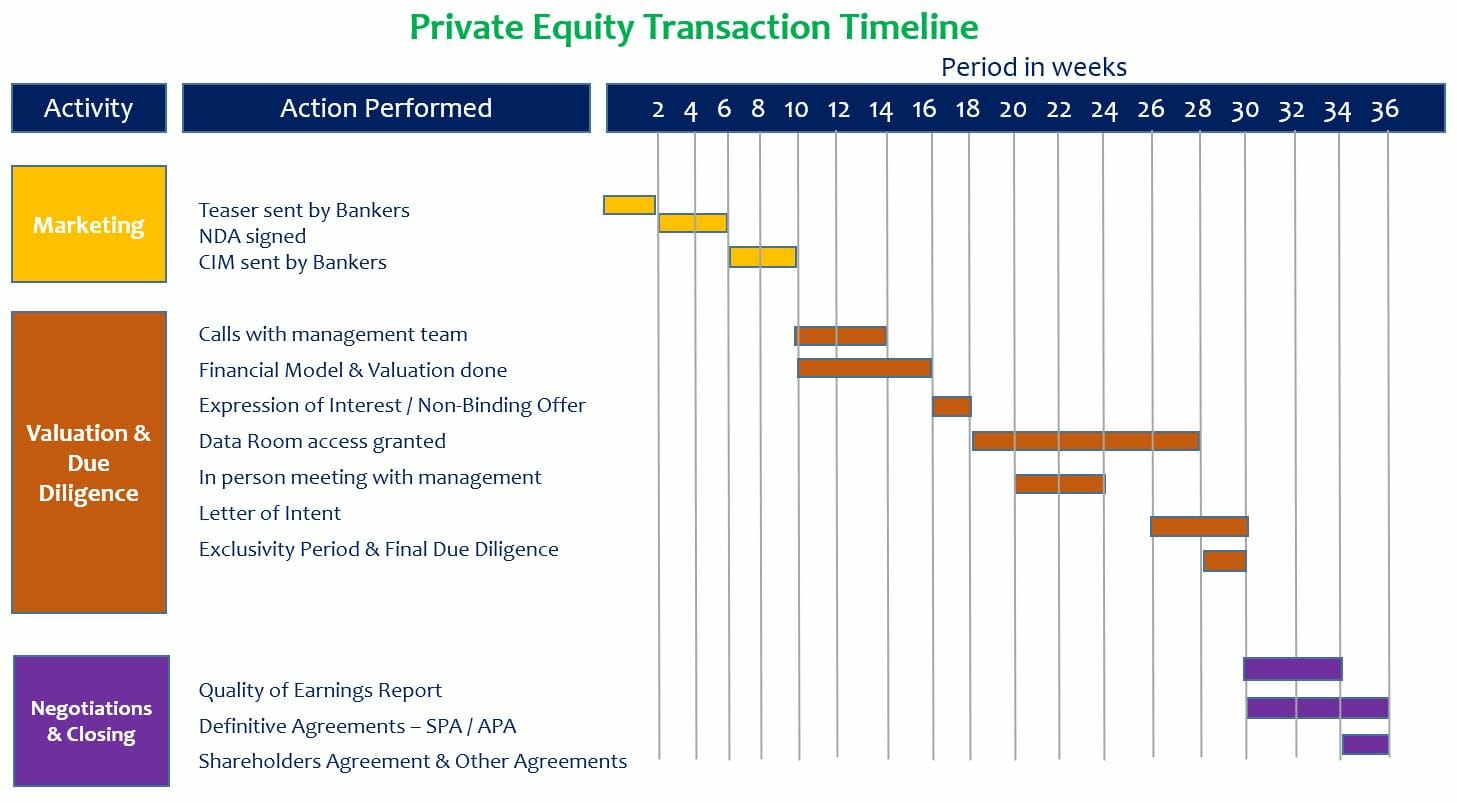
- A lower-value acquisition: KKR may accept a bid from a less ambitious buyer, such as a private equity firm or a specialist healthcare retailer. Walgreens, which previously expressed interest, could re-enter the fray, though regulatory hurdles remain.
- A fire sale or breakup: If no suitable buyer emerges, KKR could be forced to sell Boots in pieces—its pharmacy operations separately from its beauty and general merchandise divisions—or even file for administration.
- A prolonged market process: KKR could hold onto Boots longer, but this risks further erosion of its value as the UK retail market continues to weaken.
Industry observers suggest the most likely scenario is a rushed sale to a buyer willing to accept a lower price. “The clock is ticking for KKR,” said a retail analyst at a London-based consultancy. “They can’t afford to drag this out indefinitely. Someone will come in with a lower offer, and they’ll take it.”
One potential wildcard is the UK government. Boots plays a critical role in public health initiatives, such as flu vaccinations and COVID-19 testing. If the retailer’s stability is seen as a risk to national healthcare infrastructure, officials may intervene—though this is unlikely given the private nature of the transaction.
For now, Boots’ 2,500 stores remain open, and employees continue to work under normal conditions. But the uncertainty is palpable. “The mood among staff is tense,” said one Boots employee in Manchester. “No one knows what’s going to happen next, and that’s making it hard to plan anything.”
—
How Does This Compare to Other High-Profile Retail Collapses?
Boots’ potential unraveling echoes recent struggles in the UK retail sector, where private equity ownership and shifting consumer habits have led to high-profile collapses. Here’s how this situation stacks up against past cases:
| Retailer | Acquirer | Outcome | Key Lesson for Boots |
|---|---|---|---|
| Toys “R” Us (UK) | Private equity (2005–2008) | Collapsed into administration (2008) | Debt and online competition proved fatal; Boots faces similar pressures. |
| Debenhams | Private equity (2002–2021) | Entered administration (2021) | Failed to adapt to changing shopping habits; Boots’ hybrid model may offer some protection. |
| House of Fraser | Private equity (2016–2018) | Sold in pieces, closed stores | Breakup of assets can salvage some value but often leaves gaps in the market. |
Unlike these retailers, Boots operates in a regulated healthcare space, which could provide some stability. However, its reliance on foot traffic and in-store services makes it vulnerable to the same broader trends—rising costs, e-commerce competition, and shifting consumer behavior.
One key difference is Boots’ role as a healthcare provider. Unlike pure retail chains, its pharmacies are often the only accessible healthcare option in underserved areas. This could make a government-led intervention more likely if the retailer’s collapse threatens public health services.
—
What Does Sigma’s Exit Mean for Australia’s Retail Ambitions?
Sigma’s withdrawal from the Boots deal is a setback for the Australian retailer’s global expansion plans. The company has been aggressive in pursuing overseas acquisitions, including its 2017 purchase of Chemist Warehouse in New Zealand and its failed bid for UK’s LloydsPharmacy in 2020.
Analysts suggest Sigma’s retreat reflects broader challenges for Australian retailers looking to expand into Europe. The UK’s complex regulatory environment, high labor costs, and saturated retail market make it a difficult target for overseas buyers—especially those with a low-cost, high-volume business model.
For Sigma, the Boots deal was seen as a potential springboard into Europe. A successful acquisition could have positioned the company as a major player in global pharmacy retail. But with the deal off the table, Sigma’s focus may shift back to its home market, where it faces competition from local chains like Pharmacy Warehouse and international giants like Walgreens.
Industry watchers say Sigma’s exit doesn’t necessarily signal the end of its international ambitions. “They’ll look for another opportunity,” said a Sydney-based retail analyst. “But Boots was a unique asset—it’s not easy to find a retailer with that combination of brand strength and scale in the UK.”
—
FAQ: What You Need to Know About Boots’ Future
Will Boots close stores if no buyer is found?
Boots has not announced any immediate closures, but a prolonged sale process or a fire sale could lead to job cuts and store reductions. In past cases, such as Debenhams and Toys “R” Us, prolonged uncertainty often resulted in closures as landlords and creditors applied pressure.
Could Walgreens still buy Boots?
Walgreens has expressed interest in the past, but regulatory hurdles—particularly in the UK’s pharmacy sector—make a deal complex. A lower valuation could make it more appealing, but antitrust concerns would still need to be addressed.
What happens to Boots’ employees?
Boots employs around 40,000 people. If the company is sold, most jobs would likely be retained, but a fire sale or administration could lead to redundancies. Employees are currently under a “business as usual” directive, but uncertainty remains.
Is Boots’ collapse a sign of trouble for the UK retail sector?
Boots’ struggles reflect broader challenges in the UK retail sector, including rising costs, e-commerce competition, and shifting consumer habits. However, its unique position as a healthcare provider may offer some protection against the worst outcomes.
Will this affect the price of medicines in the UK?
If Boots is sold to a cost-cutting buyer, prices for over-the-counter medicines could rise as the new owner prioritizes profit margins. Alternatively, a breakup of Boots’ assets could lead to higher prices in some areas if competition is reduced.
What’s the timeline for a new buyer?
KKR has not set a strict deadline, but industry sources suggest pressure will mount within the next 6–12 months. If no suitable buyer emerges, the company could face administration by early 2025.
—
The collapse of Sigma’s bid for Boots leaves the UK’s largest pharmacy chain at a crossroads. While the immediate future remains uncertain, one thing is clear: the stakes could not be higher for Boots’ employees, customers, and the broader retail sector.
As KKR weighs its options, the question on everyone’s mind is whether Boots can survive another round of uncertainty—or if its 170-year history is about to reach a dramatic end.
