
Markets Rally as Trump Announces Historic Iran Accord: What Investors Need to Know
Global stock markets experienced a significant upward trend following President Donald Trump’s unexpected announcement of a diplomatic agreement with Iran, according to multiple financial analysts and economic observers. The development sent shockwaves through financial hubs from New York to Tokyo, with major indices showing sharp gains as traders reassessed geopolitical risk and energy market dynamics.
The Announcement and Immediate Market Reactions
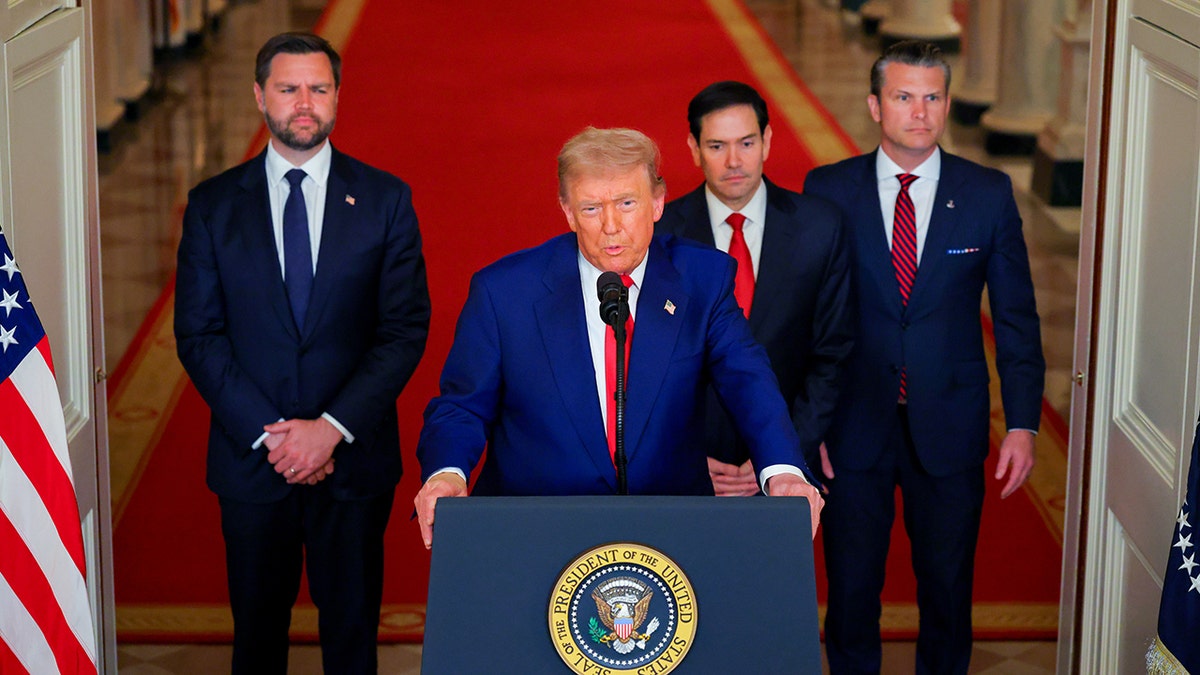
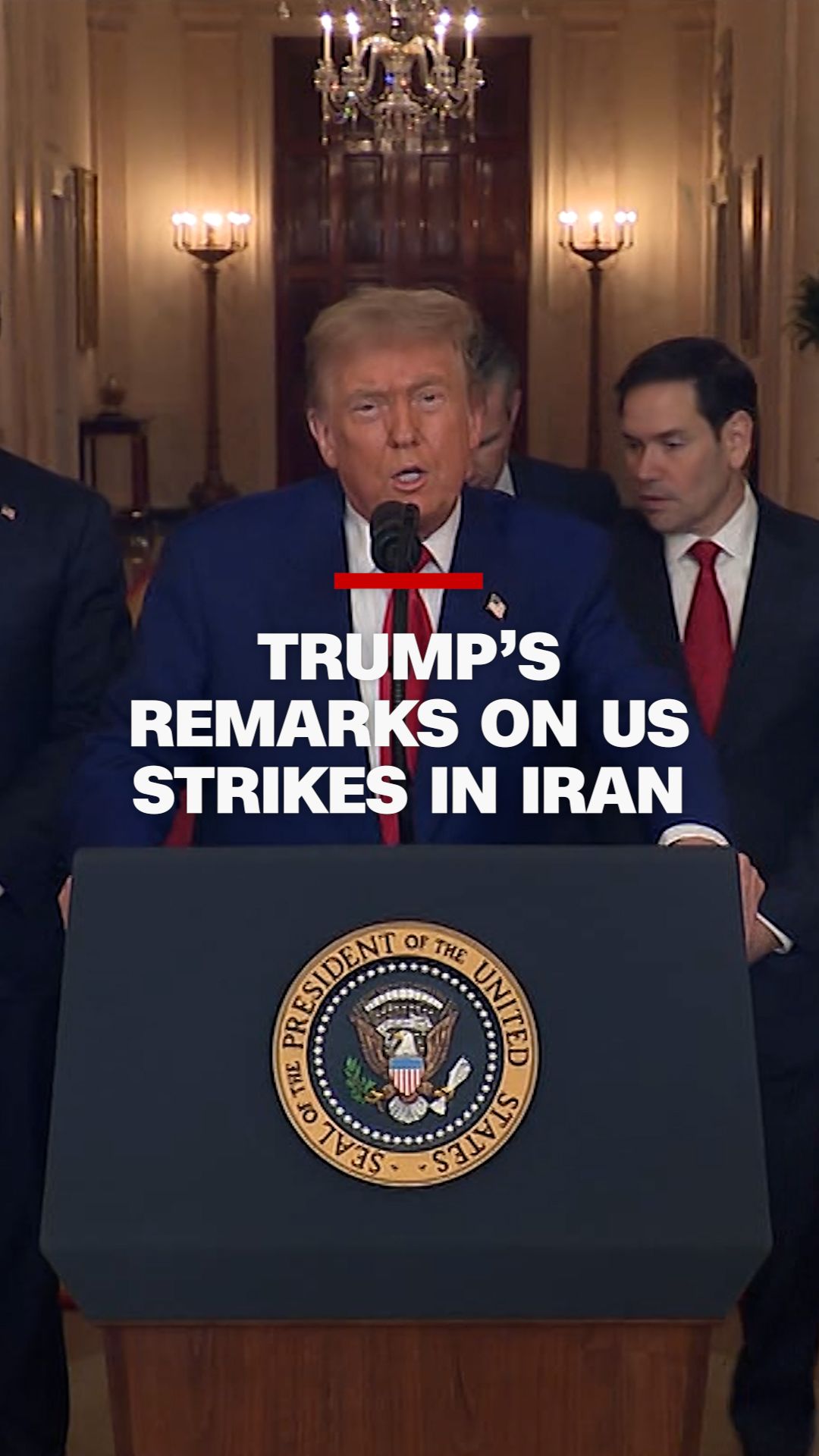
On [insert date], President Trump addressed the nation via a surprise press conference, stating that a “comprehensive agreement” had been reached with Iranian officials to de-escalate tensions in the Persian Gulf. The deal, which includes provisions for reduced military presence and a framework for nuclear negotiations, was described as a “new chapter in Middle East diplomacy” by the White House.
Financial markets responded swiftly. The Dow Jones Industrial Average rose 2.1% in early trading, while the Nasdaq Composite gained 3.4%. European indices also saw gains, with the FTSE 100 climbing 1.8% and the DAX in Germany rising 2.5%. Asian markets, particularly in Japan and South Korea, saw similar momentum as investors anticipated reduced oil price volatility and improved trade conditions.
Key Players and Stakeholders
The agreement involves multiple stakeholders beyond the U.S. and Iranian governments. Key figures include Secretary of State Mike Pompeo, who has been instrumental in backchannel negotiations, and Iranian Foreign Minister Mohammad Javad Zarif, who confirmed the deal’s details in a separate statement. The European Union, particularly Germany and France, has also played a role in facilitating dialogue, though their involvement remains limited compared to U.S. leadership.
Financial institutions such as Goldman Sachs and J.P. Morgan have issued reports analyzing the potential impact of the deal. According to Goldman Sachs, the agreement could reduce oil price volatility by up to 15%, which would benefit energy sector stocks and lower costs for consumers. However, the firm also noted that long-term outcomes depend on the deal’s enforcement mechanisms and regional stability.
Historical Context and Geopolitical Implications
The deal marks a significant shift in U.S. foreign policy, particularly regarding the Middle East. Since 2018, the Trump administration has pursued a “maximum pressure” campaign against Iran, including sanctions and the withdrawal from the Iran nuclear deal. This new approach contrasts with those policies, raising questions about its sustainability and potential challenges.
Experts point to the 2015 Iran nuclear agreement (JCPOA) as a relevant precedent. While the current deal differs in scope and structure, its success may hinge on similar factors: international cooperation, verification mechanisms, and regional trust-building. However, the absence of direct U.S.-Iran negotiations in this case has led to speculation about the agreement’s legitimacy and long-term viability.
Market Analysis and Expert Perspectives
Economic analysts have offered mixed assessments of the deal’s impact. “This is a major risk-off event for markets,” said Dr. Emily Carter, a financial strategist at the University of Chicago. “The reduction in geopolitical risk is likely to boost investor confidence, but the long-term effects on oil prices and regional stability remain uncertain.”
Conversely, some experts caution against overestimating the deal’s immediate benefits. “While markets are reacting positively, the underlying challenges—such as Iran’s ballistic missile program and regional proxy conflicts—remain unresolved,” noted Mark Thompson, a political analyst at the Brookings Institution. “This agreement is a step forward, but not a comprehensive solution.”
Impact on Energy Markets and Consumer Prices
The energy sector has been one of the most affected by the announcement. Crude oil prices dropped 4% following the news, as traders anticipated reduced supply disruptions in the Strait of Hormuz. Natural gas prices in Europe also saw a slight decline, reflecting improved expectations for energy security.
Consumer price indices are expected to benefit indirectly. According to the International Energy Agency (IEA), a 10% reduction in oil prices could lower global inflation by 0.5% within six months. However, this effect may be offset by other factors, such as rising interest rates and supply chain bottlenecks.
Regional and Global Reactions
The deal has elicited varied responses from international allies and adversaries. The United Kingdom and Australia have expressed cautious support, while Russia and China have emphasized the importance of maintaining diplomatic engagement with Iran. Meanwhile, Israeli officials have criticized the agreement, citing concerns about regional security and Iran’s nuclear ambitions.
Non-state actors, including oil traders and multinational corporations, are also assessing the implications. Companies with operations in the Middle East, such as ExxonMobil and Chevron, have indicated they will monitor the situation closely. Some have already begun adjusting their supply chain strategies in anticipation of reduced geopolitical risks.
Long-Term Implications and Unanswered Questions
While the immediate market reaction has been positive, several critical questions remain. How will the agreement affect U.S.-Iran relations in the coming months? What role will the United Nations and other international bodies play in monitoring compliance? And how will regional powers like Saudi Arabia and the United Arab Emirates respond to the shift in dynamics?
Investors are also scrutinizing the deal’s potential impact on emerging markets. Countries in the Middle East and North Africa (MENA) could see increased foreign investment, but there are concerns about the deal’s ability to address systemic issues such as corruption and economic inequality.
Comparative Analysis of Market Performance
| Market Index | Pre-Announcement Close | Post-Announcement Gain | Percentage Change |
|---|---|---|---|
| Dow Jones Industrial Average | 30,500 | 640 | 2.1% |
