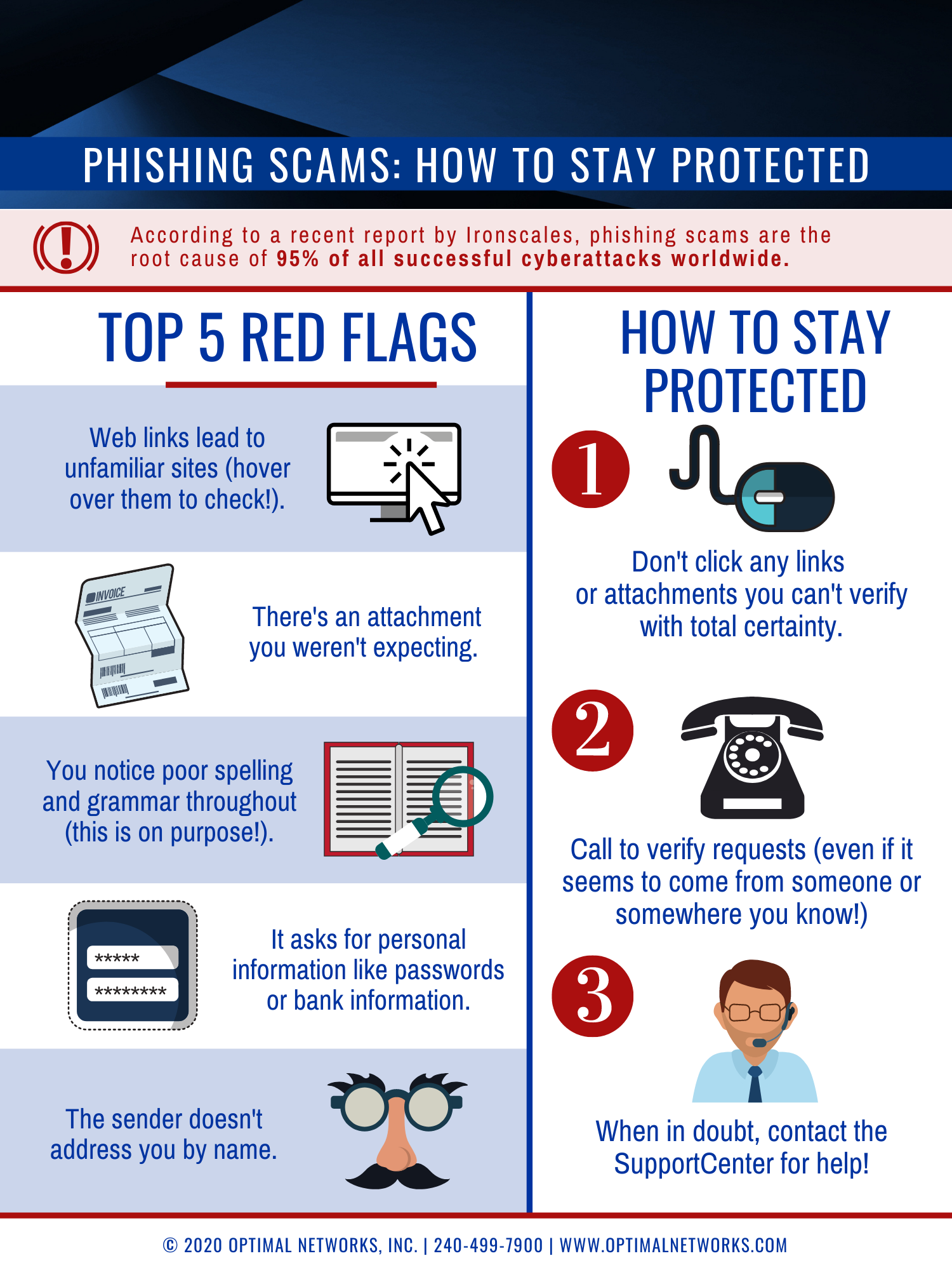
Banking institutions in the Netherlands are intensifying efforts to combat rising online fraud, with 1 in 6 financial helpers using a family-confirmed password as a security measure, according to local media reports. The tactic, described as a “simple yet effective” strategy, emerged as authorities highlight five key warning signs of scams, including unsolicited requests for personal information and urgent financial transfers.
ABN AMRO, one of the country’s largest banks, has issued guidelines to employees, advising them to “speak a password with each other” to verify customer identities. The approach aligns with broader industry efforts to mitigate risks as cybercriminals exploit digital channels. A spokesperson for the bank stated, “Preventive measures like shared passwords reduce the likelihood of unauthorized access, but vigilance remains critical.”

Netherlands-based financial service NUK reported that 16.6% of its customer support staff use a “familial code” to confirm requests, a practice criticized by some cybersecurity experts as potentially vulnerable to social engineering. “While well-intentioned, relying on family ties could backfire if attackers gain access to personal relationships,” said a tech analyst, citing a 2022 study on password security.
The government’s fraud reporting center, MAX Meldpunt, has compiled a list of five red flags for consumers, including unexpected links in emails and requests for immediate payments. These signals, according to officials, are designed to empower individuals to recognize and report suspicious activity promptly.
Industry observers note the trend reflects growing public awareness but caution against overreliance on informal security practices. “Formal verification systems, such as two-factor authentication, remain more robust,” said a financial policy advisor. “However, the emphasis on community-based safeguards underscores the evolving nature of digital trust.”
The measures come as cybercrime costs the Netherlands an estimated €1.2 billion annually, according to a 2023 report by the Dutch National Police. Banks and regulators continue to collaborate on educational campaigns, aiming to reduce vulnerabilities in an increasingly connected economy.
