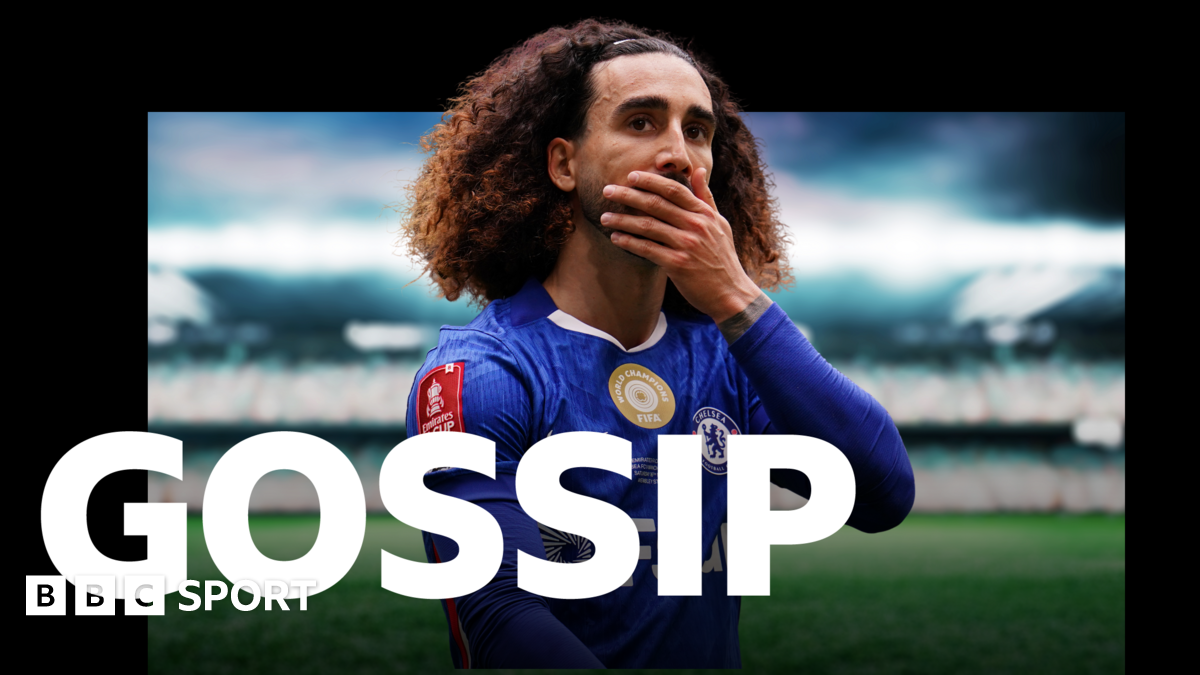
Football Gossip: Cucurella, Palestra, Diomande, Palestra, Guardiola, Silva, Rashford, Sangare, Hackney, Guessand – BBC
The European football landscape is currently navigating a period of intense volatility, where a single training ground disagreement or a tactical shift can send ripples across the continent’s biggest clubs. From the high-stakes boardroom decisions at Stamford Bridge to the tactical blueprints being drawn by Pep Guardiola, the current transfer climate is defined by a desire for surgical precision over bulk spending. At the heart of this whirlwind is a growing list of high-profile names whose futures are hanging by a thread, creating a complex web of football gossip: Cucurella, Palestra, Diomande, Palestra, Guardiola, Silva, Rashford, Sangare, Hackney, Guessand – BBC style updates that keep fans and analysts guessing.
The most pressing narrative currently revolves around the instability at Chelsea, where the project continues to evolve in real-time. The focus has shifted toward a significant squad reduction, with several established players now viewed as expendable. This isn’t merely about trimming the fat. it is a strategic realignment intended to fit a more cohesive tactical identity. As the club looks to move toward a more sustainable model, the departure of key figures seems inevitable, setting the stage for a summer of unprecedented movement.
The Marc Cucurella Dilemma: A Spanish Homecoming?
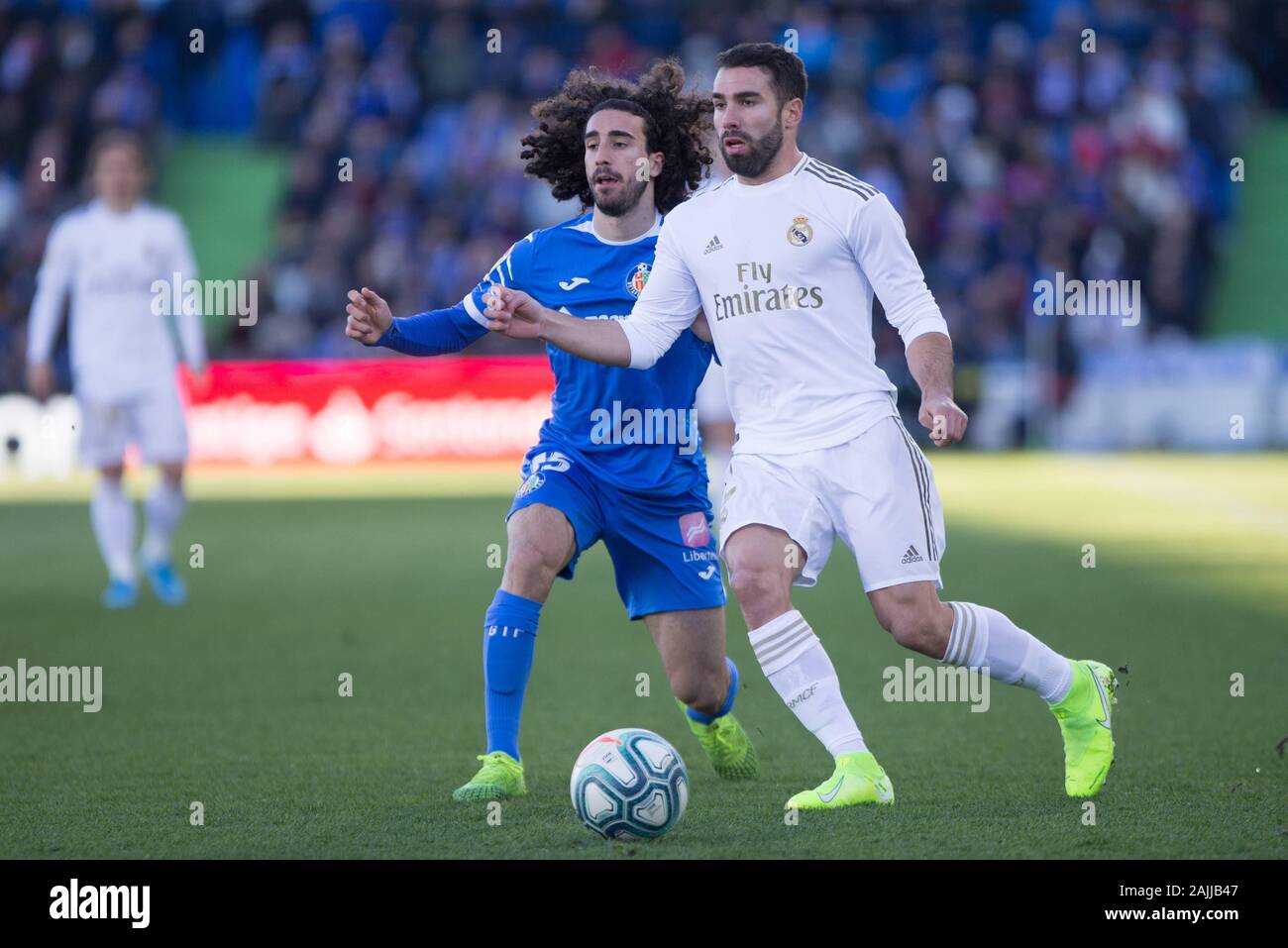
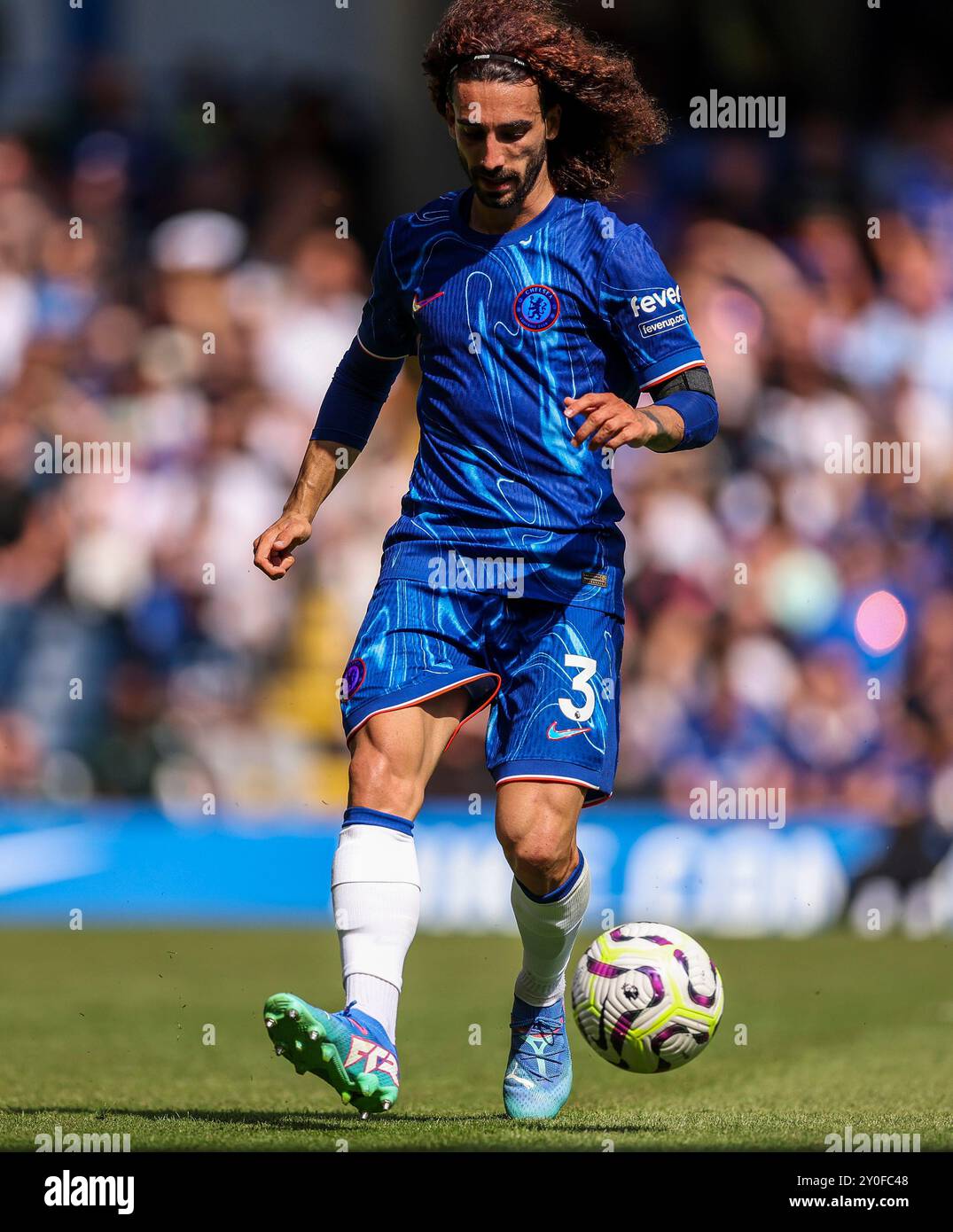
Marc Cucurella finds himself at a crossroads. After a tenure at Chelsea that has been characterized by flashes of brilliance interspersed with periods of inconsistency and tactical misalignment, the Spanish defender is facing a future that looks increasingly distant from West London. The uncertainty isn’t just a product of form, but a reflection of the broader “exodus” strategy currently being implemented at the club.
Reports suggest that Cucurella is not merely open to a move but is actively seeking a return to his homeland. Spain’s two most dominant forces, Real Madrid and Barcelona, have both been linked to the defender. For the player, a return to La Liga represents more than just a change of scenery; it is an opportunity to redefine his career in a league that better suits his technical profile and tactical upbringing.
“The modern fullback is no longer just a wide defender; they are playmakers, inverted wing-backs, and defensive anchors all in one. When a player of Cucurella’s profile doesn’t fit the specific geometry of a manager’s system, the value doesn’t disappear—it simply migrates to a system where that profile is prized.”
Analyzing the Potential Destinations
While multiple clubs have inquired about the defender’s availability, the allure of the Spanish giants outweighs most other options. However, the logistical hurdles are significant. Both Barcelona and Real Madrid operate under strict financial constraints or specific squad hierarchies that would require a precise window of opportunity to make a move viable.
- Barcelona: A return to Catalonia would offer Cucurella a familiar environment and a system that traditionally emphasizes possession-based build-up from the back.
- Real Madrid: The allure of the Bernabéu is always present, though the competition for places in Madrid’s defensive line is perhaps the fiercest in world football.
- Other European Contenders: While Spanish clubs are the priority, several top-tier sides in Italy and Germany are monitoring the situation, viewing Cucurella as a high-value asset available at a potentially discounted rate.
The decision to leave Chelsea appears to be reaching a tipping point. With the club potentially looking at as many as nine exits this summer, Cucurella is no longer viewed as an untouchable part of the long-term project. This shift in status makes a transfer not only possible but likely.
The Wider Chelsea Exodus: Strategic Trimming
The situation with Cucurella is a symptom of a larger systemic purge. Chelsea’s current trajectory involves a ruthless evaluation of their massive squad. The goal is to move away from the “quantity over quality” approach that defined previous windows and instead curate a lean, high-performance group.

This “exodus” is not just about removing underperforming players; it is about financial sustainability. With Profit and Sustainability Rules (PSR) looming over the Premier League, selling home-grown talent or players with significant book value is essential for the club to continue investing in new, younger targets.
| Player Status | Likely Outcome | Strategic Reason |
|---|---|---|
| Out of Favor | Immediate Sale | Wage bill reduction & PSR compliance |
| Tactically Redundant | Loan with Option to Buy | Player development & value recovery |
| High-Value Surplus | Bidding War | Funding for primary targets |
This environment of instability often leads to a “domino effect.” When a player of Cucurella’s stature signals a desire to leave, it emboldens other squad members to seek exits, creating a challenging atmosphere for the coaching staff to maintain stability while simultaneously dismantling parts of the roster.
The Guardiola Factor and the Midfield Evolution
While Chelsea deals with internal upheaval, Manchester City continues to operate as the gold standard of tactical evolution. Pep Guardiola’s influence extends far beyond the touchline; his preferences dictate the market value of players across Europe. The current chatter surrounding football gossip: Cucurella, Palestra, Diomande, Palestra, Guardiola, Silva, Rashford, Sangare, Hackney, Guessand – BBC often centers on how Guardiola is reshaping his midfield.
The focus is currently on the longevity and role of veteran stalwarts like Bernardo Silva. Silva remains the heartbeat of City’s creativity, but as Guardiola looks toward the next cycle, the search for a new “engine room” is paramount. This involves a delicate balance of maintaining the existing chemistry while integrating fresh energy that can handle the physical demands of the Premier League.
Guardiola’s approach to recruitment is famously cautious. He does not buy for the sake of buying; he buys to fill a very specific tactical void. This is why players like Diomande are frequently mentioned in the same breath as City’s interests. The search for a defender who can play as a hybrid midfielder—capable of stepping into the pivot—is the current obsession in the City camp.
The Tactical Shift: From Control to Chaos Management
For years, Guardiola’s philosophy was built on absolute control. However, recent seasons have shown a shift toward managing “organized chaos.” This requires players who are not just technically gifted but possess an elite level of recovery speed and physical resilience. This is where the interest in younger, more athletic profiles comes into play, signaling a potential shift in the type of players City will target in the coming windows.
Premier League Profiles: Rashford, Sangare, and Hackney
Beyond the tactical chess match at City and the chaos at Chelsea, several individual narratives are dominating the discourse. Marcus Rashford remains one of the most scrutinized figures in English football. His trajectory has been a rollercoaster of world-class peaks and frustrating troughs, leading to constant speculation about his long-term future at Manchester United.
Rashford’s situation is unique because his value is tied as much to his brand and status as it is to his on-pitch output. Whenever his form dips, rumors of a move to Paris Saint-Germain or a return to a different European giant emerge. However, the reality is that Rashford remains a cornerstone of United’s attacking identity, and any move would require a fee that few clubs could realistically justify unless the player forces an exit.
Meanwhile, players like Sangare and Hackney represent the “under-the-radar” movements that often define a season. Sangare provides the physical presence and defensive screening that modern managers crave, while Hackney represents the emerging breed of versatile midfielders who can operate in multiple zones. These players are the primary targets for mid-table clubs looking to bridge the gap to the elite, or for top clubs looking for high-ceiling squad depth.
- Marcus Rashford: Facing pressure to maintain elite consistency amid constant transfer noise.
- Sangare: A target for clubs needing a disruptive force in the defensive third.
- Hackney: A rising profile whose versatility makes him an attractive prospect for tactical flexibility.
The Emerging Guard: Diomande, Guessand, and Palestra
The most exciting aspect of the current football gossip is the emergence of the “next generation.” Names like Diomande and Guessand are no longer just footnotes in scouting reports; they are becoming primary targets for the world’s wealthiest clubs.
Diomande, in particular, is viewed as the prototype of the modern center-back: tall, fast, and comfortable with the ball at his feet. In an era where the “ball-playing defender” is a non-negotiable requirement, Diomande’s stock has risen exponentially. His ability to initiate attacks from the deepest part of the pitch makes him a priority for managers like Guardiola who view the goalkeeper and center-backs as the first line of attack.
Similarly, Guessand represents the new wave of versatile forwards. He doesn’t fit into a traditional “number 9” or “winger” box, instead offering a fluid presence that can stretch defenses and create space for others. This fluidity is highly prized in the modern game, where rigid positions are being replaced by “zones of influence.”
The mention of Palestra in current rumors suggests a growing interest in markets that were previously overlooked. As the traditional powerhouses exhaust the talent pools of France and Germany, they are looking toward emerging leagues and youth academies to find the next generational talent. This global hunt for talent is driving up prices and creating a highly competitive environment for young players.
Common Misconceptions in Transfer Reporting
When consuming football gossip: Cucurella, Palestra, Diomande, Palestra, Guardiola, Silva, Rashford, Sangare, Hackney, Guessand – BBC style news, it is easy to fall into the trap of taking every “interest” as a “guaranteed move.” There are several industry nuances that fans often overlook:
- “Interest” vs. “Negotiation”: A club “monitoring” a player often means they have added them to a list for the next two years, not that they are preparing a bid today.
- The “Agent’s Game”: Many rumors are leaked by representatives to drive up a player’s salary at their current club or to create leverage for a move.
- Tactical Fit vs. Name Value: Just because a player is “world-class” doesn’t mean they fit a specific manager’s system. A player like Cucurella can be elite in one system and a liability in another.
Understanding these distinctions allows fans to view the transfer window not as a series of random events, but as a calculated business operation where psychology and tactics intersect.
Key Takeaways for the Current Window
- Chelsea’s Priority: Reducing squad size and clearing the wage bill to comply with financial regulations.
- The Spanish Pull: Marc Cucurella’s desire to return to Spain is a primary driver of his potential exit.
- Tactical Evolution: Pep Guardiola is seeking more athletic, hybrid profiles to evolve Manchester City’s midfield.
- Youth Surge: The rise of players like Diomande and Guessand indicates a shift toward versatile, high-ceiling prospects.
For those following the developments, the key will be watching the “first domino.” If a high-profile player like Cucurella makes a move to Spain, it will likely trigger a wave of other departures at Chelsea, which in turn will free up capital for other clubs to pursue their own targets. The interconnected nature of the European market means that a decision in London can directly impact a squad in Madrid or Manchester.
Frequently Asked Questions
Why is Marc Cucurella linked with a return to Spain?
Cucurella has experienced a turbulent period at Chelsea, facing inconsistent playing time and tactical shifts. His familiarity with the Spanish style of play and the interest from giants like Real Madrid and Barcelona make a homecoming an attractive option for both the player and the clubs involved.
What is the “Chelsea Exodus” and why is it happening?
The “exodus” refers to a strategic plan by Chelsea to significantly reduce their oversized squad. This is driven by a need for tactical cohesion and the necessity to adhere to the Premier League’s Profit and Sustainability Rules (PSR), requiring the sale of players to balance the books.
How does Pep Guardiola influence transfer rumors?
Guardiola’s specific tactical requirements—such as the need for “inverted” players or hybrid midfielders—create a market demand for specific profiles. When Guardiola is linked to a player, it often increases that player’s value and attracts interest from other managers who emulate his style.
Is Marcus Rashford actually leaving Manchester United?
While there is constant speculation due to his form and external interest (notably from PSG), there is currently no definitive confirmation of a departure. Rashford remains a key asset, and any move would depend on the player’s desire to leave and the club’s valuation.
Who are Diomande and Guessand in the context of these rumors?
They are emerging talents viewed as high-value targets for top European clubs. Diomande is highly regarded for his ball-playing ability as a defender, while Guessand is noted for his versatility in attack, making them prime candidates for the next generation of elite squad members.
