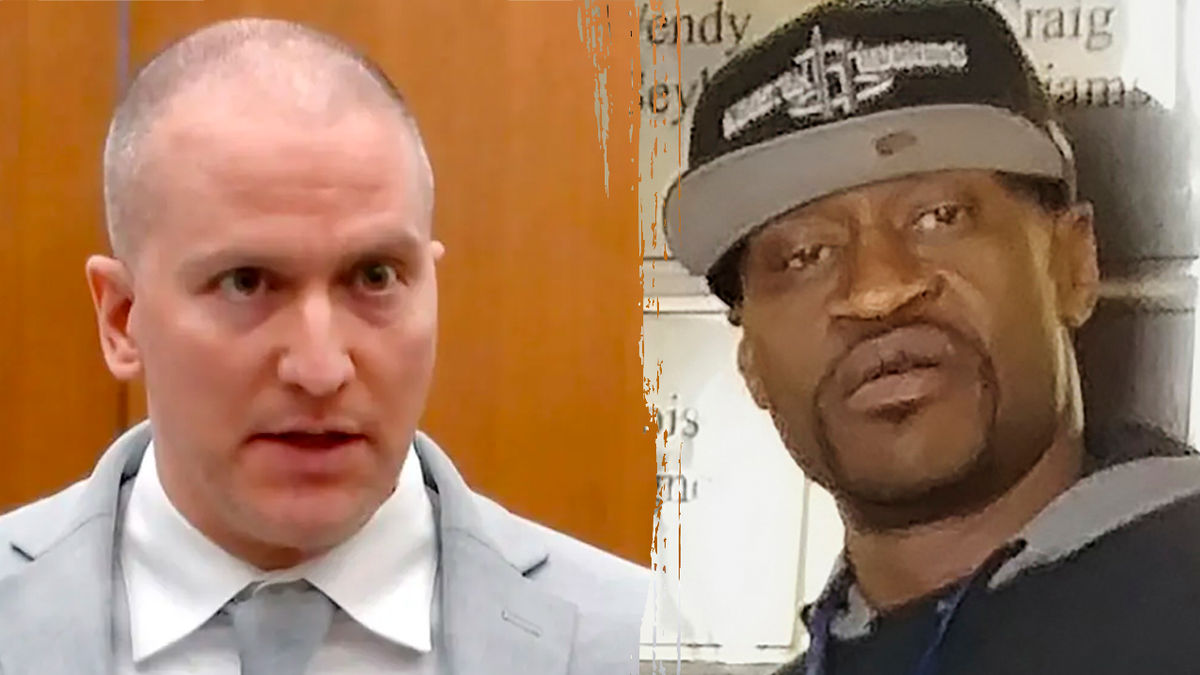
Minnesota GOP Convention Sparks Outrage After Moment of Silence for Derek Chauvin
The Minnesota Republican Party’s state convention became the center of a national firestorm on Tuesday as delegates observed a moment of silence for Derek Chauvin, the former Minneapolis police officer convicted of murdering George Floyd in 2020. The gesture, which drew sharp criticism from Democrats, activists, and even some within the GOP, underscored deep divisions over policing, racial justice, and the party’s evolving stance on Floyd’s killing—a landmark moment in American civil rights history.
The decision to honor Chauvin, who was sentenced to 22.5 years in prison for his role in Floyd’s death, came during a convention where Republicans also celebrated their recent gains in local elections and reaffirmed their opposition to progressive policies like police reform. While the party has long faced pressure to distance itself from Chauvin, the silence—held without broader context or apology—reignited debates about whether Republicans are truly reckoning with their past or simply performing for base voters.
This article examines how the moment unfolded, why it resonated so powerfully (and controversially), and what it reveals about Minnesota’s political landscape in the wake of Floyd’s murder.
—
What Happened at the Convention?
During the Minnesota GOP’s state convention in St. Paul, delegates stood in silence for approximately 9 minutes and 29 seconds—the duration Chauvin knelt on Floyd’s neck during the May 2020 arrest that led to global protests. The silence was not announced in advance and was not accompanied by any statement from party leaders clarifying its intent.
Key details from the event:
- Timing: The moment occurred during the convention’s opening ceremony, where delegates typically observe moments of silence for fallen officers or veterans. However, Chauvin’s inclusion was unexpected and drew immediate backlash.
- Location: The convention took place at the Xcel Energy Center in St. Paul, a venue that has hosted major political gatherings, including the 2020 Democratic National Convention.
- Reaction on the ground: Some attendees reportedly left the room in protest, while others remained seated. Social media videos captured the moment, with one delegate later stating, “We didn’t know what to make of it.”
Party officials later clarified that the silence was not an endorsement of Chauvin but rather a “moment of reflection” on the broader issue of policing. Critics, however, saw it as a deliberate provocation.
—
Who Is Involved—and Why Does It Matter?
The controversy pits two sharply divided groups against each other:
1. The Minnesota GOP and Its Base
The Republican Party of Minnesota has long been a bastion of law-and-order rhetoric, with many members viewing Chauvin as a symbol of police solidarity. His conviction in April 2021—after a trial that exposed graphic video evidence of Floyd’s death—deepened rifts within the party:
- Hardline conservatives: Some Republicans, particularly in suburban and rural areas, have framed Chauvin as a victim of “radical” prosecutors and “defund the police” movements. They argue that his sentencing was excessive and that the trial was politically motivated.
- Moderates and urban Republicans: A smaller but growing faction, including figures like Rep. John Postema (R-MN), has expressed discomfort with Chauvin’s status as a martyr. Postema, who represents a district that includes Minneapolis, has called for “healing” in the community but stopped short of criticizing the silence.
- Party leadership: State GOP Chair Ken Chouinard and other officials have avoided directly addressing Chauvin’s legacy, instead focusing on broader crime and safety issues. This ambiguity has left room for both supporters and critics within the party.
2. Democrats, Activists, and Floyd’s Family
Reactions from the left were swift and unanimous in condemnation:
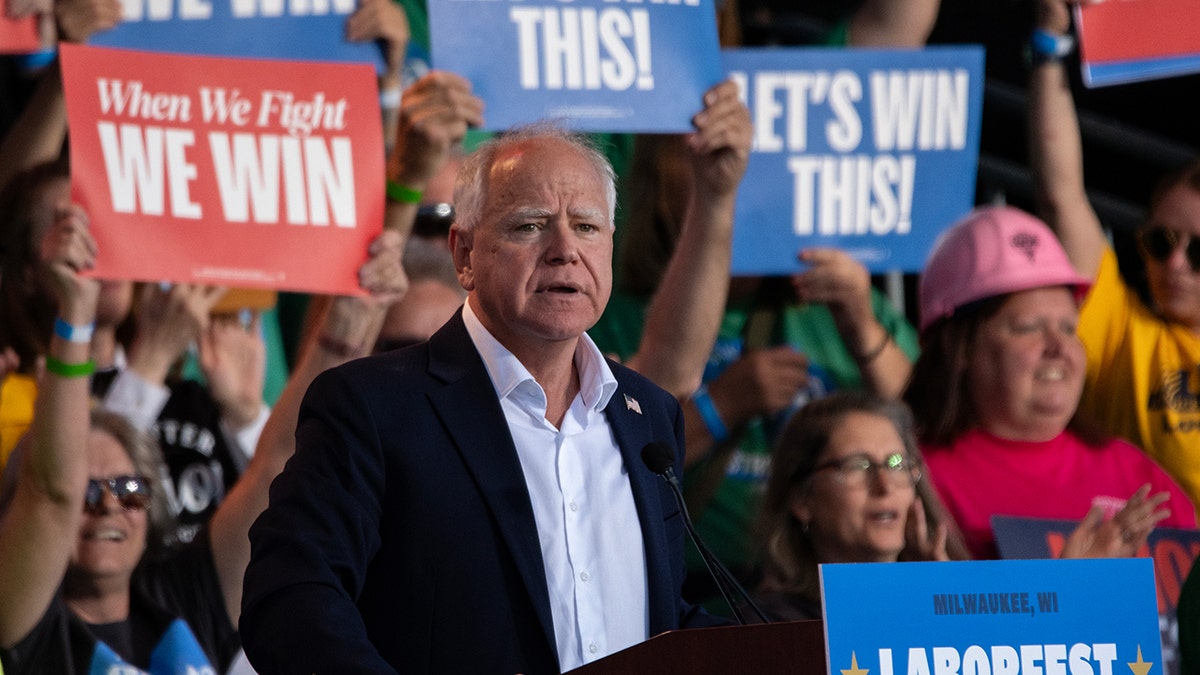
- Governor Tim Walz (DFL): Walz, who has made police reform a cornerstone of his administration, called the silence “disgusting” and “a slap in the face to the Floyd family.” He noted that he had visited George Floyd Square in Minneapolis on Memorial Day—choosing to honor Floyd rather than attend a GOP event.
- Civil rights groups: Organizations like the NAACP and Black Visions Collective demanded an apology from the GOP, arguing that the silence was a “celebration of violence.”
- National Democrats: Senate Majority Leader Chuck Schumer (D-NY) and Rep. Ilhan Omar (D-MN) issued statements calling the moment “shameful” and “out of touch with reality.” Omar, who represents Minneapolis, tweeted: “This is not justice. This is a middle finger to the movement for Black lives.”
- George Floyd’s family: While no direct statement has been issued by the Floyd family, their legal team has reportedly been monitoring the situation closely. In past interviews, family members have emphasized that Chauvin’s conviction was not enough—true accountability requires systemic change.
Why this matters: The moment of silence forces Minnesota Republicans to confront a fundamental question: Can they move past Chauvin as a symbol without alienating their base? The answer will shape the party’s future in a state where demographics are rapidly shifting and urban-suburban divides are widening.
—
A Timeline: From Floyd’s Death to the GOP’s Silence
Understanding the controversy requires context about how Chauvin’s case has evolved—and how Minnesota’s political landscape has changed since May 2020.
| Date | Event | Political Impact |
|---|---|---|
| May 25, 2020 | George Floyd is killed during an arrest in Minneapolis. Video footage of Derek Chauvin kneeling on Floyd’s neck for over 9 minutes goes viral. | Protests erupt nationwide, with Minneapolis becoming a focal point for the Black Lives Matter movement. Chauvin’s employment by the Minneapolis Police Department becomes a flashpoint for debates over police reform. |
| June 2020 | Minneapolis City Council votes to dismantle its police department and replace it with a “public safety” model. The GOP nationally opposes the measure, with then-President Donald Trump calling it “insane.” | Minnesota Republicans double down on law-and-order messaging, framing police reform as “weak on crime.” Chauvin becomes a rallying cry for conservative voters. |
| April 2021 | Derek Chauvin is convicted of murder and manslaughter. Three other officers involved in the arrest are also convicted of aiding and abetting murder. | While the verdict is celebrated by Democrats and activists, some Republicans—including Chauvin’s legal team—argue the trial was unfair. The case remains a wedge issue in Minnesota politics. |
| June 2023 | George Floyd Square, the site of Floyd’s murder, is renamed “George Floyd Memorial Square.” The area becomes a hub for community organizing and protests. | Minnesota’s Democratic-Farmer-Labor (DFL) Party, which controls the governor’s office and legislature, pushes for police oversight reforms. Republicans resist, arguing that changes would make communities less safe. |
| June 2026 | Minnesota GOP holds state convention in St. Paul, where delegates observe a moment of silence for Derek Chauvin. | The silence reignites national debates about racial justice, policing, and the GOP’s relationship with its base. It also highlights Minnesota’s role as a battleground state where urban and suburban voters hold vastly different views. |
Key observation: While Chauvin’s conviction was a legal victory for accountability, the political fallout has been more complicated. For Minnesota Republicans, the case has become a litmus test: Do they acknowledge systemic failures in policing, or do they cling to Chauvin as a symbol of “blue lives mattering”?
—
Broader Context: Policing, Politics, and Minnesota’s Divide
The moment of silence is not just about Derek Chauvin—it’s about Minnesota’s identity in a post-Floyd America. The state has become a microcosm of the nation’s struggles over race, crime, and governance.
1. Minnesota’s Unique Political Landscape
Minnesota is often seen as a “purple” state, but its politics are deeply divided along geographic and cultural lines:
- Urban areas (Minneapolis, St. Paul): Overwhelmingly Democratic, with strong support for police reform, racial justice initiatives, and social welfare programs.
- Suburban areas (e.g., Eden Prairie, Maple Grove): A growing Republican stronghold, where concerns about crime and “woke” policies often outweigh support for progressive social change.
- Rural areas: Traditionally conservative, with skepticism toward urban-led reforms and a strong law-and-order stance.
This division is playing out in the Chauvin controversy. While urban Republicans may privately question the moment of silence, suburban and rural voters—who make up the bulk of the GOP’s base—are more likely to see it as a stand against “radical” changes to policing.
2. The National GOP’s Struggle with Policing
The Minnesota GOP is not alone in grappling with Chauvin’s legacy. Nationally, Republicans face a dilemma:
- Base loyalty: Many voters, particularly in swing states, still view Chauvin as a victim of “overreach” by prosecutors and activists.
- Electoral reality: Polls show that suburban women and younger voters—key swing demographics—are increasingly uncomfortable with the GOP’s hardline stance on policing.
- Legal and moral reckoning: As more police misconduct cases come to light (e.g., the recent trial of another Minneapolis officer in Floyd’s death), the party’s messaging is under pressure.
Minnesota’s moment of silence may serve as a test case for how the GOP nationally handles this issue. If the party doubles down on Chauvin, it risks further alienating moderates. If it distances itself, it may lose support from its most loyal voters.
3. The Floyd Family and the Movement for Black Lives
For activists and Floyd’s family, the moment of silence is the latest in a series of setbacks in the fight for justice:
- Symbolic victories: The renaming of George Floyd Square and the conviction of Chauvin’s colleagues have been celebrated as progress.
- Systemic challenges: Despite reforms, Minneapolis has seen a rise in violent crime, and many Black residents feel policing remains unjust. The moment of silence, to them, is proof that the GOP is more interested in performative gestures than real change.
- International attention: Floyd’s death sparked global protests, and the moment of silence has reignited debates abroad about U.S. Racial justice and police accountability.
—
Reactions and the Road Ahead
The fallout from the moment of silence is still unfolding, but several trends are already clear:
1. Political Fallout
- DFL Party: Democrats are likely to use the controversy to rally support for their police reform agenda, particularly in suburban areas where they are making inroads.
- GOP infighting: Some Republican leaders, including Rep. Michelle Fischbach (R-MN), have called for a “reset” on the issue, arguing that the party should focus on “public safety” rather than individual cases.
- Local elections: The controversy could influence races in 2026, particularly in Minneapolis and St. Paul, where policing and racial justice are top issues.
2. Public Opinion
Polls suggest that Minnesota voters are deeply divided:
- In urban areas, the moment of silence is seen as a “slap in the face” to progress.
- In suburban and rural areas, some voters view it as a necessary stand against “radical” policies.
- A growing number of independents are calling for both parties to move beyond symbolic gestures and address root causes of crime and inequality.
3. What’s Next?
While the immediate backlash has subsided, the issue is far from resolved:
- Chauvin’s appeal: His legal team has indicated they may pursue an appeal, which could reopen the case and reignite political debates.
- Police reform legislation: The Minnesota legislature is expected to debate new policing bills in 2027, with the GOP likely to oppose measures seen as “anti-police.”
- National elections: If the GOP continues to embrace Chauvin as a symbol, it could further polarize the party and hurt its chances in swing states where suburban voters are key.
—
Common Questions About the Minnesota GOP’s Moment of Silence
Here’s what readers are asking—and what we know so far:
Q: Why did the Minnesota GOP hold a moment of silence for Derek Chauvin?
The party has not provided a clear explanation, but it likely stems from a desire to honor police officers while appealing to the party’s conservative base. Some delegates may have viewed it as a way to “stand with the blue” in the face of criticism over policing. However, the lack of context or apology led to widespread confusion and outrage.
Q: Was this the first time a political party has honored Chauvin?
No. In 2021, some conservative lawmakers and groups held rallies in support of Chauvin before his sentencing. However, the Minnesota GOP’s moment of silence at a state convention is the most high-profile example to date, given the party’s role in Minnesota’s political landscape.
Q: How did George Floyd’s family react?
While no official statement has been released, sources close to the family have expressed disappointment, viewing the moment as a “disrespectful” gesture. They have repeatedly emphasized that true justice requires systemic change, not symbolic gestures.
Q: Could this affect Minnesota’s 2026 elections?
It’s possible. The controversy could energize Democratic voters in urban areas while reinforcing Republican voters in suburban and rural districts. However, the impact will depend on how the parties frame the issue moving forward.
Q: Are there any Republicans who have criticized the moment of silence?
Yes. A few moderate Republicans, including Rep. John Postema, have expressed discomfort with the gesture, though they have stopped short of outright condemnation. Some delegates at the convention reportedly left the room in protest.
Q: What happens to Derek Chauvin now?
Chauvin is currently serving his sentence at the Oak Park Heights Prison in Minnesota. His legal team has indicated they may pursue an appeal, which could extend the legal process for years. Even if the conviction stands, the political debate over his legacy will likely continue.
—
The Minnesota GOP’s moment of silence for Derek Chauvin was more than a political misstep—it was a revealing snapshot of the party’s struggle to reconcile its base with the realities of a changing America. As the state prepares for another election cycle, the question remains: Can Republicans move beyond Chauvin without losing their core supporters, or will this moment be remembered as the beginning of a deeper fracture?
One thing is certain: The debate over policing, race, and justice in Minnesota is far from over.
For more on Minnesota’s political landscape, see our related explainer on the state’s shifting demographics and analysis of how police reform is playing out in urban districts.
